


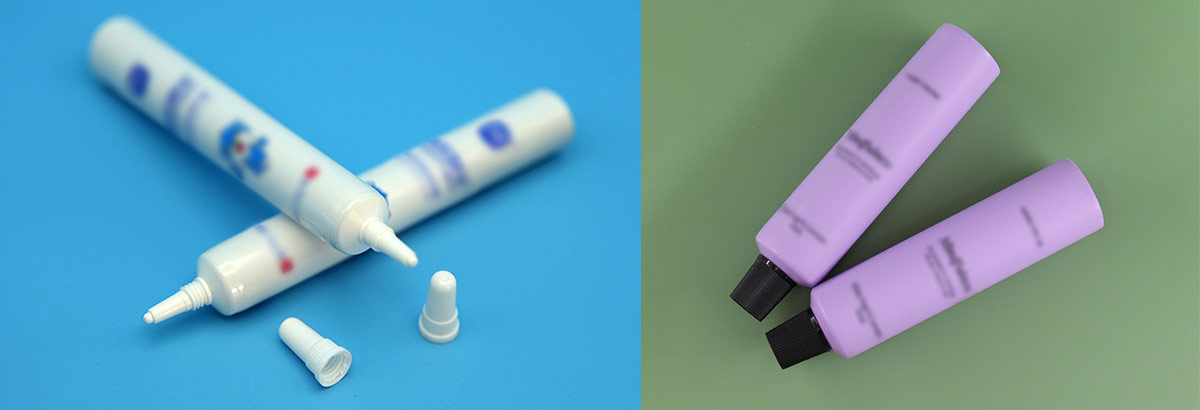
The global cosmetic market of laminated tube packaging has experienced remarkable expansion.
- The market reached USD 566.16 million in 2021.
- Projections show growth to USD 1570.26 million by 2029, with a CAGR of 13.60%.
- By 2025, the market size may reach USD 3.5 billion, rising to USD 5.1 billion by 2035.
A surge in demand for single-dose and travel-size laminated tubes drives this growth across cosmetics and pharmaceuticals. Companies focus on cosmetic packaging innovation, prioritizing sustainable materials and eco-conscious choices. Lami tubes offer high durability, excellent shelf appeal, and superior hygiene, making them ideal for high-growth segments. The cosmetic tubes market share continues to rise as brands meet sustainability standards and shift toward sustainability-first solutions.
Compared to other packaging, laminated tubes provide a strong barrier against oxygen and moisture, preserving sensitive cosmetic formulations and supporting eco-conscious, sustainability-focused consumers.
| Packaging Type | Durability | Shelf Appeal | Hygiene |
|---|---|---|---|
| Laminated Tubes (ABL & PBL) | High oxygen and moisture barrier | Enhances shelf life and integrity | Suitable for sensitive formulations |
Key Takeaways
- The cosmetics laminated tubes market is projected to grow significantly, reaching USD 5.1 billion by 2035, driven by demand for single-dose and travel-size options.
- Laminated tubes offer excellent durability and hygiene, making them ideal for consumers seeking portable and safe packaging for cosmetics and pharmaceuticals.
- Sustainability is a key focus, with manufacturers increasingly using recyclable and eco-friendly materials to meet consumer expectations and regulatory standards.
- Technological advancements in lami tube manufacturing enhance production efficiency and product quality, supporting the growth of innovative packaging solutions.
- Consumer preferences for convenience and hygiene are shaping the market, leading brands to adopt travel-friendly packaging that aligns with modern lifestyles.
Growth Drivers
Convenience and Portability
The cosmetics laminated tubes market has seen rapid growth due to changing consumer lifestyles. People now travel more often and seek products that fit their busy routines. The cosmetic tubes market responds by offering single-dose and travel-size options. These solutions meet the needs of consumers who want to carry their favorite skincare or cosmetic products wherever they go.
- There is a rising demand for travel-sized and single-use packaging, especially in personal care and healthcare.
- The lightweight and user-friendly design of laminated tubes appeals to consumers who are always on the move.
- Packaging innovations, such as airless tubes and precision dispensing systems, improve safety and functionality.
Manufacturers in the cosmetic tubes market recognize that portability is a top priority. The compact design of laminated tubes makes them easy to pack in bags or pockets. This feature supports the growth of laminated tubes in both cosmetics and pharmaceuticals. The market for travel-sized or trial products continues to expand, driven by consumer preferences for convenience.
- The lightweight and compact design of laminated tubes caters to consumers who value portability and convenience.
- The demand for travel-sized or trial products aligns with the characteristics of laminated tubes.
- The increasing consumer preference for convenient packaging drives manufacturers to adopt laminated tubes in cosmetics and pharmaceuticals.
- The rise of travel-friendly product offerings is linked to the growth of the travel and tourism industry.
- Smaller tubes (less than 50 ml) are especially popular for high-value, portable products, reflecting consumer preferences for on-the-go solutions.
The cosmetics laminated tubes market benefits from these trends. Brands in the cosmetic tubes market now focus on offering products that fit modern lifestyles. The market continues to grow as more consumers seek portable, easy-to-use solutions.
Hygiene and Safety
Hygiene and safety play a crucial role in the selection of packaging for cosmetics and pharmaceuticals. The cosmetics laminated tubes market addresses these concerns by providing packaging that protects products from contamination and maintains their integrity. Studies highlight the importance of packaging in preserving cosmetics, emphasizing the need for microbial protection and the effectiveness of different packaging systems to ensure product safety.
Proper packaging ensures that products like skincare creams and hand sanitizers remain safe for use. Research shows that compliance with regulatory requirements, such as primary packaging integrity and safety parameters, is essential for maintaining hygiene. The hygiene packaging market includes protective solutions that meet strict standards, which is vital for healthcare and personal care products. Increased health consciousness among consumers further drives the demand for safe and hygienic packaging.
Single-dose and travel-size lami tubes offer several features that address contamination and product integrity concerns in the cosmetic tubes market and pharmaceuticals:
| Feature | Benefit |
|---|---|
| Multiple layers | Provide a secure barrier against external factors, ensuring contents remain uncontaminated. |
| User-friendly features | Flip-top caps and nozzle applicators minimize exposure to air and contaminants. |
| Application | Widely used in both cosmetics and pharmaceuticals to maintain quality and purity. |
The cosmetics laminated tubes market continues to grow as brands prioritize hygiene and safety. Consumers trust products that come in secure, tamper-evident packaging. The cosmetic tubes market responds by adopting advanced laminated tube packaging that meets these expectations. This focus on safety supports the overall growth of the market and aligns with sustainability claims, as safe packaging also helps reduce waste and product spoilage.
Laminated Tubes Market Trends
Sustainability Innovations
Sustainability shapes the future of the cosmetics laminated tubes market. Manufacturers respond to global concerns about plastic waste by investing in new materials and eco-friendly processes. The market sees a shift toward recyclable and bio-based laminate materials, especially in Europe, where demand grows by 20% each year. Companies now use EVOH and high-barrier laminates to reduce environmental impact. Many brands in the cosmetic tubes market choose recyclable and eco-friendly materials for their products. They also integrate bio-based polymers and post-consumer recycled content into their tubes.
Mono-material PE tubes gain popularity because they are fully recyclable. This innovation supports sustainability claims and meets consumer expectations for responsible packaging. The cosmetics laminated tubes market benefits from these changes, as brands align with environmental goals and regulatory pressures. The growth of laminated tubes depends on the ability to offer sustainable solutions without sacrificing product protection or shelf appeal.
- Manufacturers invest in EVOH and high-barrier laminates to lower environmental impact.
- The global push for reduced plastic waste drives the adoption of eco-friendly alternatives.
- Companies increasingly use recyclable and eco-friendly materials for laminated tubes.
- Bio-based polymers and post-consumer recycled content become standard in the cosmetic tubes market.
- Mono-material PE tubes, which are fully recyclable, gain traction in the market.
Regulatory Factors
Regulatory standards play a vital role in the design and distribution of laminated tube packaging for cosmetics and pharmaceuticals. The cosmetics laminated tubes market must comply with strict guidelines to ensure product safety and integrity. The pharmaceutical industry, in particular, enforces rigorous requirements for packaging integrity and safety. These standards drive the adoption of laminate tubes, which encapsulate sensitive formulations within multi-layered structures.
Meeting Regulatory Standards for Pharmaceuticals: Pharmaceutical ointments packaged in laminated tubes must meet strict regulatory standards set by organizations such as the FDA. Laminated tubes ensure compliance with these stringent guidelines.
- The pharmaceutical industry’s strict regulatory standards for packaging integrity and safety support the use of laminate tubes.
- Multi-layered laminate structures protect sensitive formulations, ensuring stability and efficacy.
- Compliance with these standards helps maintain product quality and consumer trust in both the cosmetic tubes market and pharmaceuticals.
The cosmetics laminated tubes market continues to grow as brands prioritize regulatory compliance. This focus on safety and quality supports the expansion of single-dose and travel-size packaging, which must meet the same high standards as larger formats.
Technology and Lami Tube Making Machine
Technological advancements drive the growth of the laminated tubes market. The introduction of robotics and artificial intelligence in lami tube making machines transforms the manufacturing process. These innovations improve accuracy, speed, and operational efficiency. Manufacturers can now meet the rising demand for high-quality packaging in both the cosmetic tubes market and pharmaceuticals.
- Robotics and AI integration in tube filling machines increase production speed and accuracy.
- Enhanced operational efficiency allows companies to scale up and meet market growth.
- Reduced human intervention minimizes contamination risks and ensures consistent product quality.
Lami tube making machines now produce laminated tubes with greater precision. This technology supports the cosmetic tubes market by delivering reliable, hygienic, and attractive packaging. The ability to manufacture single-dose and travel-size tubes efficiently helps brands respond to changing consumer preferences. The cosmetics laminated tubes market benefits from these advancements, as companies can offer innovative packaging solutions that meet both regulatory and sustainability requirements.
The market for laminated tubes continues to expand, driven by the need for convenience, safety, and sustainability. Travel-size and single-dose packaging formats play a key role in this growth. These formats enhance convenience and portability for consumers, especially in personal care, cosmetics, and pharmaceuticals. Smaller tubes under 50ml align with trends toward on-the-go consumption and hygienic dispensing. Laminated tubes maintain product integrity while providing user-friendly features.
- The cosmetics sector leads in market share and growth potential due to consumer demand for health and wellness products.
- The pharmaceutical sector shows significant demand for single-dose and travel-size packaging, emphasizing safety and hygiene.
- Tube packaging provides strong barrier properties, essential for protecting contents from light, air, and contaminants.
- Tube packaging is prevalent in healthcare due to safety and hygiene standards and is extensively used in pharmaceuticals for ointments and creams.
The laminated tubes market shows steady growth, with projections indicating continued expansion:
- Market Size in 2025: USD 3.5 billion
- Market Size in 2032: USD 4.45 billion
- Market Size in 2033: USD 4.70 billion
- Market Size in 2034: USD 4.90 billion
- Projected Market Size in 2035: USD 5.1 billion
- CAGR from 2025 to 2035: 3.9%
The cosmetic tubes market and cosmetics laminated tubes market will continue to evolve as technology, sustainability, and regulatory factors shape the future of packaging for cosmetics and pharmaceuticals.
Cosmetic Tubes Market Applications
Skincare and Makeup
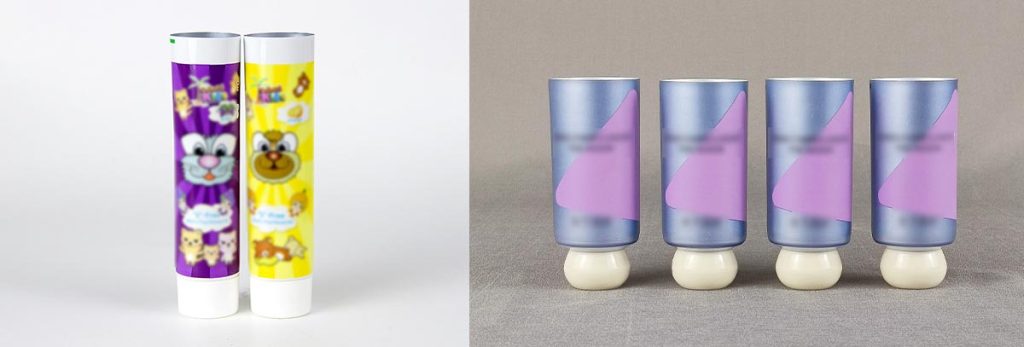
The cosmetic tubes market has seen significant growth in skincare and makeup applications. Brands use lami tubes to package a wide range of products. These include moisturizers, cleansers, foundations, concealers, and sunscreens. The cosmetics laminated tubes market benefits from the versatility of laminated tube packaging, which protects sensitive formulas and extends shelf life. Companies respond to consumer demand for convenient and hygienic solutions by offering single-dose and travel-size options.
Skincare and makeup products packaged in laminated tubes remain fresh and uncontaminated, supporting both safety and sustainability goals.
Key applications in the cosmetics laminated tubes market include:
- Skincare products
- Makeup products
- Sunscreen products
- Oral care products
Single-dose and travel-size formats have transformed the cosmetic tubes market. These formats offer lightweight, customizable, and protective packaging. The table below highlights important features:
| Feature | Description |
|---|---|
| Lightweight | Laminated tubes are easy to carry, making them ideal for travel-sized products. |
| Customizable | Available in various sizes, shapes, and colors, allowing for attractive branding and design. |
| Excellent Barrier Properties | Protects contents from moisture, light, and air, maintaining product quality and shelf life. |
The growth of the laminated tubes market in skincare and makeup reflects changing lifestyles and the need for portable, safe, and visually appealing packaging.
Haircare and Other Uses
The cosmetic tubes market also plays a vital role in haircare and other cosmetic applications. The cosmetics laminated tubes market supports products such as hair color creams, conditioners, styling gels, and scalp treatments. These products require packaging that resists chemical reactions and prevents leaching. Laminated tubes meet these needs by providing enhanced shelf life and superior printability.
Key uses in the cosmetic tubes market include:
- Hair color creams
- Conditioners
- Styling gels
- Scalp treatments
Manufacturers design laminated tubes for comfortable handling and precise application. Fine nozzles allow users to apply products accurately. The lightweight and travel-friendly formats support the growth of single-dose and multi-use packaging in the laminated tubes market. These features help brands meet the rising demand for convenient and effective cosmetic solutions.
The cosmetics laminated tubes market continues to expand as companies innovate to address consumer needs. The focus on sustainability, product safety, and attractive design drives the growth of the cosmetic tubes market across skincare, haircare, and other cosmetic segments.
Challenges in Growth
Recyclability Issues
The cosmetic tubes market faces significant obstacles in improving the recyclability of lami tubes. Traditional aluminum barrier laminate tubes present a complex multilayer structure. This design complicates material separation during recycling. Environmental concerns continue to rise, and regulatory pressures such as the EU’s Packaging and Packaging Waste Directive set minimum recycling targets. These factors increase scrutiny of aluminum barrier laminate tubes, even though they offer strong protection for cosmetic products.
Manufacturers in the cosmetics laminated tubes market have started to develop solutions that address these challenges. The table below highlights some innovations designed to improve recyclability in the laminated tubes market:
| Feature | Description |
|---|---|
| Material | 100% monomaterial Polypropylene (PP) |
| Aluminium | Aluminium-free |
| Barrier Properties | High barrier and chemical resistant, preventing transfer of O2 and moisture |
| Recyclability Certification | HTP_CYCLOS certification with a 98% recyclability score |
| Recycling Process | Can be sorted into the PP stream and mechanically recycled into new PP resin for non-food items |
| Environmental Impact | Thinner laminate wall reduces raw material usage while maintaining performance |
| Target Industries | Designed for personal care, cosmetics, and food industries |
These advancements in laminated tube packaging help the cosmetic tubes market meet sustainability goals and respond to consumer demand for eco-friendly products. The cosmetics laminated tubes market continues to seek new materials and processes that support growth while reducing environmental impact.
Compliance and Manufacturing
Companies in the cosmetic tubes market encounter several compliance and manufacturing challenges as they strive for growth. The cosmetics laminated tubes market must address environmental concerns related to recycling, especially since only 30% of aluminum barrier laminate tubes are recycled globally. Fluctuating raw material prices, including aluminum and plastic resins, create uncertainty in production costs. Advanced manufacturing technologies and increased regulatory compliance expenses also drive up costs.
- Environmental concerns regarding recycling due to complex materials in aluminum barrier laminate tubes, with only 30% being recycled globally.
- Fluctuating raw material prices, particularly aluminum and plastic resins, impacting production costs significantly.
- High production costs driven by advanced manufacturing technologies and increased regulatory compliance expenses.
Consumer preferences influence the cosmetic tubes market. Forty percent of consumers actively seek eco-friendly packaging options. Major brands commit to reducing plastic waste by 25% by 2030, which shapes packaging choices and encourages innovation.
Small high-barrier tubes in the cosmetics laminated tubes market provide enhanced protection against moisture, light, and oxygen. These tubes help newer pharmaceutical formulas remain stable. They also reduce the need for secondary packaging, minimizing overpackaging and improving user-friendliness.
The laminated tubes market must balance the need for compliance, cost control, and sustainability. Manufacturers in the cosmetic tubes market continue to adapt to changing regulations and consumer expectations, supporting ongoing growth in single-dose and travel-size packaging.
Future Growth Opportunities
Next-Gen Packaging
The cosmetics laminated tubes market continues to evolve as brands invest in next-generation packaging. Companies focus on innovative solutions that improve convenience, sustainability, and product safety. The cosmetic tubes market now features advanced options for single-dose and travel-size products. These solutions address the growing demand for eco-friendly and user-friendly packaging.
| Packaging Solution | Key Features |
|---|---|
| Resealable Vial Technology | Five break-away resealable vials per strip, 100% recyclable, suitable for liquids, creams, lotions. |
| Push Clean Towelettes | Wet on demand, 100% biodegradable, contains over 30 mists worth of liquid, flexible and expandable. |
| Application Pad Technology | All-in-one applicator, drip-free application, hygienic and touchless, suitable for various products. |
| Water Soluble Films | Expertise in transforming products from concept to commercial reality, strong industry relationships. |
| Collapsible Tube Packaging Market | Versatile, sustainable, consumer-friendly design, significant growth driven by innovation and sustainability. |
Manufacturers in the cosmetic tubes market also invest in AI-driven production and bio-based materials. These efforts help meet sustainability goals and improve efficiency. Multi-layer co-extrusion techniques and digital printing technology allow for better barrier protection and high-quality graphics. The cosmetics laminated tubes market benefits from these advancements, which support both product integrity and brand visibility.
Market Outlook
The laminated tubes market shows strong projected growth. Analysts expect the market to expand from USD 2.10 billion in 2023 to about USD 4.03 billion by 2034, with a growth rate of 6.1%. The cosmetic tubes market and cosmetics laminated tubes market will see the fastest expansion in the Asia Pacific region, where international beauty brands invest heavily.
Key investment areas include innovative packaging solutions and eco-friendly options, especially in the cosmetic and personal care sectors. Companies focus on sustainable packaging, digitalization, and continuous product innovation. They also collaborate with brand owners to create customized solutions for the cosmetic tubes market.
- Leading manufacturers invest in smart packaging technologies to enhance consumer engagement.
- The demand for recyclable and biodegradable options shapes the future of laminated tube packaging.
- Multi-layer co-extrusion and digital printing improve product protection and customization.
- The cosmetic tubes market responds to consumer preferences for convenience, safety, and attractive design.
| Consumer Trends | Technological Advancements |
|---|---|
| Growing demand for sustainable packaging | Enhanced manufacturing efficiency |
| Preference for convenience | Innovations in product functionality |
| Increased focus on product safety | Development of airless tubes and precision dispensing systems |
| Shift towards recyclable and biodegradable options | Focus on tamper-proof and leak-resistant designs |
| Demand for aesthetically appealing packaging | High-quality printing and metallic finishes |
The cosmetics laminated tubes market and cosmetic tubes market will continue to grow as companies monitor consumer trends and adopt new technologies. Brands that invest in research and development will lead the market by offering innovative, sustainable, and consumer-friendly solutions. The future of lami tubes in cosmetics depends on the ability to balance growth, sustainability, and evolving consumer needs.
Conclusion
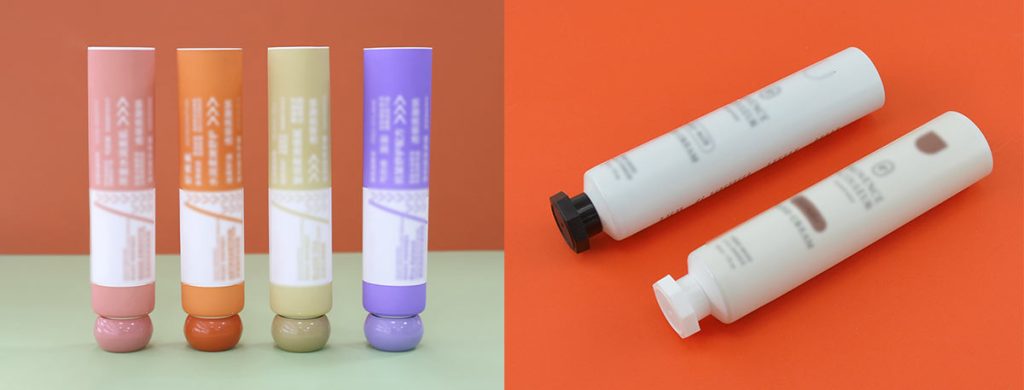
The cosmetics laminated tubes market and cosmetic tubes market experience rapid growth as brands prioritize convenience, hygiene, and sustainability. The table below shows how benefits and challenges shape the laminated tubes market:
| Benefits of Laminated Tubes | Challenges of Laminated Tubes |
|---|---|
| Demand for eco-friendly products | Rising raw material costs |
| Innovative designs | Regulatory pressures |
| High-quality packaging solutions | Complexity of manufacturing |
| Ongoing development of sustainable materials | Investment in technology and infrastructure |
Innovation in lami tubes and advanced manufacturing drives the cosmetics laminated tubes market forward. The rise of e-commerce, automation, and demand for secure, visually appealing packaging will continue to influence the future of the cosmetic tubes market and laminated tube packaging. Stakeholders in the cosmetics industry should monitor these trends to capture new growth opportunities.
FAQ
What Are Lami Tubes Used for in the Cosmetics and Pharma Market?
Lami tubes package creams, gels, ointments, and lotions. They protect sensitive formulas and extend shelf life. Many brands in the market choose lami tubes for single-dose and travel-size products because they offer strong barriers against moisture and oxygen.
How Do Lami Tubes Support Sustainability in the Market?
Manufacturers use recyclable materials and thinner laminate walls. These innovations help reduce waste in the market. Many companies now invest in mono-material tubes, which improve recyclability and meet growing consumer demand for eco-friendly packaging.
Why Has The Market for Single-Dose and Travel-Size Tubes Grown Rapidly?
Consumers want convenience and portability. The market responds by offering smaller tubes that fit busy lifestyles. Travel-size packaging also supports hygiene, as it reduces contamination risks and allows for easy, on-the-go use.
What Challenges Does the Market Face with Lami Tube Packaging?
The market faces recycling challenges due to complex tube structures. Only a small percentage of traditional tubes get recycled. Manufacturers work to improve recyclability and meet stricter environmental regulations.
How Does Technology Influence the Lami Tubes Market?
Lami tube making machine increases production speed and accuracy. Technology helps the market deliver high-quality, hygienic, and attractive packaging. Robotics and digital printing also support innovation and customization.