



Speed remains one of the most critical factors in laminated tube making, driving competitiveness in the global laminated tubes market. Advances in lami tube making machine and precise control of machine parameters have transformed efficiency across production lines.
- High-speed fillers now produce 105–115 tubes per minute with 16 mm setups, raising output dramatically.
- Line changeover time has dropped by 22%, accelerating market response.
- Robotics and artificial intelligence boost accuracy and overall efficiency.
Key Takeaways
- High-speed fillers can produce 105–115 tubes per minute, significantly boosting production rates.
- Automated filling and sealing systems reduce manual labor, enhance accuracy, and minimize errors in tube production.
- Real-time monitoring of machine parameters helps maintain quality and speed, allowing quick responses to market changes.
- IoT integration enables predictive maintenance, reducing unexpected breakdowns and ensuring smooth operations.
- Data analytics optimize production workflows, leading to faster response times and improved packaging quality.
Automation in Laminated Tube Making
Automated Filling and Sealing
Automated filling and sealing systems have transformed the laminated tubes market by increasing speed and accuracy. Manufacturers use laminated tube making machine to reduce manual labor and minimize errors. These systems handle a wide range of tube sizes and materials, which helps companies respond quickly to changing demand in the market. Servo-controlled filling and multi-head systems support high-speed production while meeting strict hygiene and safety standards.
- Automated machines fill each tube with the exact amount of product, preventing underfilling and overfilling.
- Sensors and automated controls detect and correct errors instantly, ensuring consistent quality.
- Precise filling techniques reduce waste by minimizing spills and leakage, which optimizes material use.
Automation technologies also enhance productivity and reduce waste. They ensure consistent quality and lower contamination risks. The integration of automation leads to cost-effective and reliable production processes. In the global laminated tubes market, these factors drive market growth and improve overall performance. Companies investing in advanced technology and digital equipment see greater efficiency and sustainability in their operations.
Robotics in Assembly
Robotics play a key role in the assembly stage of laminated tube making. Robotic arms and conveyor systems increase production efficiency by improving speed, precision, and consistency in packaging. Advanced machine vision systems reduce human error and boost throughput, which supports market growth. Robotics also accelerate the customization of tube dimensions and designs, helping manufacturers meet specific market demands.
- Robotics and automation improve quality control and manufacturing precision in the laminated tubes market.
- Robotic systems optimize tube filling and sealing processes, leading to better line efficiency and labor cost savings.
- AI-driven data analytics predict maintenance needs and streamline inventory management, minimizing downtime.
Despite these benefits, companies face challenges when integrating robotics into existing production lines. Ongoing maintenance is essential to keep automated systems running smoothly. Workforce training is necessary to ensure employees can operate and maintain new equipment. However, the investment in robotics and innovation continues to drive market growth and sustainability in the laminated tubes market.
Smart Controls and Machine Parameters
Real-Time Monitoring
Smart controls have become essential in laminated tube making. These systems allow operators to track machine parameters instantly, which improves consistency and speed. Real-time monitoring helps manufacturers respond quickly to changes in demand and maintain high standards in the laminated tubes market. Operators use sensors and software to watch adhesive properties and machine performance during production. This approach reduces errors and supports market growth.
Real-time monitoring during the layup manufacturing process of laminated composites is a feasible method that can be incorporated into automated manufacturing, enhancing the quality and speed of production.
Real-time monitoring of adhesive properties ensures proper application throughout long, high-speed runs by stabilizing viscosity, which is crucial for maintaining consistency in laminated tube manufacturing.
Vibrational viscosity sensors are useful for monitoring the consistency of the adhesive and how it will act during the dispensing operation, impacting the speed and quality of the manufacturing process.
Manufacturers rely on these factors to keep laminated tube making machine running smoothly. The use of advanced technology in equipment supports sustainability and innovation in the global laminated tubes market. Operators can prevent downtime and maintain high-quality packaging with smart controls.
Speed and Material Settings
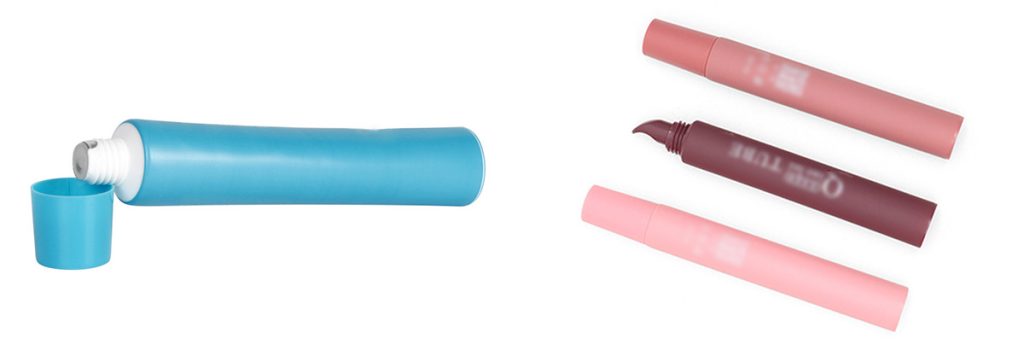
Precise machine parameters play a major role in the performance of lami tube making machine. Adjusting speed and material settings allows manufacturers to optimize production and meet market demand. Adaptive control systems in laminated tube filling and sealing equipment help operators select the best settings for each batch. These systems improve efficiency and support market growth.
| Feature | Description |
|---|---|
| Production Type | Produces aluminum-plastic laminated tubes (ABL) and plastic tubes (PBL). |
| Speed Impact | High-speed production significantly improves product quality. |
| Heating Mechanism | Utilizes double steel belts for outside and inner heating, enhancing the welding process. |
| Automation | Can work with semi-automatic injection molding machines for a complete production line. |
| Feature | Description |
|---|---|
| Speed | Operates at 60 pcs/min with PLC servo control, enhancing automation and performance. |
| Quality Control | Internal Coating Machine prevents contamination, ensuring high-quality output. |
| Curing Process | Drying Oven speeds up curing, improving overall productivity. |
| Feature | Description |
|---|---|
| Automation Level | High automation with PLC servo control increases production yield. |
| Quality Assurance | Lacquering Oven and Base Coating Machine ensure a flawless exterior finish. |
| Efficiency Improvement | The combination of features leads to enhanced overall efficiency and output quality. |
Operators use these factors to adjust laminated tube making machine for different packaging needs. The right settings help manufacturers achieve better growth and meet market expectations. Technological advancements in equipment continue to drive innovation and support market growth in the laminated tubes market.
IoT and Data in Global Laminated Tubes Market
Predictive Maintenance
IoT integration has transformed the way manufacturers approach maintenance in the global laminated tubes market. Sensors embedded in laminated tube making machine collect real-time data on machine health. Operators use this information to predict when a lami tube making machine might need service. This approach reduces unexpected breakdowns and keeps packaging lines running smoothly. AI-driven predictive maintenance systems analyze patterns and alert technicians before failures occur. These systems help companies avoid costly downtime and maintain high efficiency.
- Real-time monitoring reduces downtime and supports continuous production.
- Predictive maintenance minimizes errors and improves throughput.
- Machine learning algorithms identify fault patterns, allowing proactive interventions.
Manufacturers in the laminated tubes market rely on these factors to meet consumer demand and maintain growth. Predictive maintenance strategies also enhance product consistency, which is vital for sectors like pharmaceuticals and cosmetics. Regulatory standards require strict compliance, and IoT-enabled systems help companies achieve traceability and reporting for packaging operations.
Data-Driven Optimization
Data analytics play a crucial role in optimizing speed and efficiency in laminated tube making. Operators use data from laminated tube making machine to adjust machine parameters and improve packaging quality. Machine learning algorithms process historical data to identify trends and optimize production workflows. This transition from reactive to proactive management leads to faster response times and better market performance.
| Improvement Type | Description |
|---|---|
| Enhanced Consistency | AI-driven design tools optimize tube structure and aesthetics. |
| Reduced Operational Downtime | Automation in extrusion and sealing processes enhances consistency. |
| Accelerated Time-to-Market | Streamlined design and production workflows reduce time-to-market. |
The integration of IoT and data analytics in laminated tube making machine supports sustainable packaging and innovation in packaging. Companies can quickly adapt to changes in market demand and improve their competitive edge. These factors drive market growth and support the ongoing evolution of the laminated tubes market. As technology advances, manufacturers will continue to see improvements in equipment reliability, packaging quality, and overall production growth.
Tip: The adoption of smart controls and IoT in laminated tube manufacturing not only boosts efficiency but also ensures compliance with international standards, supporting long-term market growth.
Conclusion

Innovations in automation, smart controls, and IoT have transformed the laminated tubes market. These advances in laminated tube making machine deliver faster packaging, higher precision, and improved quality.
- Automation, AI, and smart controls increase efficiency and speed in manufacturing.
- Smart packaging lines with AI-driven quality control reduce turnaround times.
- IoT enables real-time monitoring and predictive maintenance for equipment.
Technological progress drives the global laminated tubes market toward sustainable packaging and customization. The market expects strong growth as laminated tube making machine evolves with Industry 4.0 and eco-friendly solutions. Strategic partnerships and collaborations continue to shape the future of packaging, making lami tube making machine advancements central to market success.
FAQ
What Is a Lami Tube Making Machine?
A lami tube making machine produces laminated tubes for packaging. It combines layers of materials to create strong, flexible tubes. Manufacturers use these machines in industries like cosmetics, pharmaceuticals, and food.
How Does Automation Improve Laminated Tube Production Speed?
Automation increases speed by reducing manual steps. Machines fill, seal, and inspect tubes quickly. Automated systems also lower error rates and improve consistency in laminated tube production.
Why Is Real-Time Monitoring Important in Laminated Tube Manufacturing?
Real-time monitoring helps operators track machine performance. It detects issues early and prevents downtime. This process ensures that each lami tube making machine runs efficiently and produces high-quality laminated tubes.
What Role Does IoT Play in Lami Tube Making Machine?
IoT sensors collect data from lami tube making machine. Operators use this data to predict maintenance needs and optimize production. IoT technology helps companies reduce costs and improve reliability.
Can Laminated Tubes Be Customized for Different Products?
Yes, manufacturers can adjust lami tube making machine for various sizes and designs. This flexibility allows companies to meet specific packaging needs for cosmetics, toothpaste, or pharmaceuticals.