


Weak welds in laminated tube production often lead to serious failures in lami tube manufacturing. Engineers see that non-uniform loads can destroy defective areas within a tube, which reduces product quality and reliability. Weld quality remains a critical factor for maintaining the integrity of laminated tube products. Many factories rely on advanced technology, such as lami tube making machine, to improve welding consistency. However, standard inspection methods sometimes fail to detect defects below 100 μm, increasing the risk of weaknesses. The following table highlights important findings from published studies:
| Finding | Implication |
|---|---|
| Non-uniform load results in layerwise destruction of defective areas. | Indicates that weld defects can lead to structural failure under load. |
| Application of magnetic control is inefficient for detecting laminations below 100 μm. | Highlights the limitations of standard inspection methods, increasing failure risk. |
| Ultrasonic wall thickness tests are necessary throughout the pipe perimeter. | Suggests a more thorough inspection method to ensure weld integrity. |
Thorough ultrasonic testing across the tube perimeter ensures weld quality and helps prevent costly failures in laminated tube manufacturing.
Key Takeaways
- Weak welds can lead to serious failures in laminated tube production. Early detection of defects is crucial to maintain product quality.
- Advanced inspection methods, like ultrasonic testing, are essential for identifying hidden weld defects that standard methods may miss.
- Regular monitoring and root cause analysis help operators identify issues quickly, reducing scrap rates and improving overall production quality.
- Implementing preventive maintenance on lami tube making machines ensures consistent weld quality and minimizes unexpected downtime.
- Utilizing AI and automation in the production process enhances efficiency and supports high-quality standards in laminated tube manufacturing.
Defects in Laminated Tube Production
Common Welding Defects
Laminated tube production often faces several welding defects that can impact product quality. Operators frequently observe freeze lines, which result from incomplete fusion during welding. This defect can create a cold-welded joint, reducing the strength of the weld. Undercut appears as a groove at the weld toe, forming a weak point in the seam. Left and right slope angles also indicate problems with weld strength and may reveal forming issues in the tube. Lamination stands out as a common defect, especially in seamless tube production. It usually occurs during hot rolling or piercing and often appears on the outer diameter of the tube. Lamination defects can be either surface or sub-surface, running parallel to the pipe surface. These defects may cause cracks to propagate from the outer diameter to the inner diameter, depending on the depth of the lamination.
Operators using a laminated tube making machine must pay close attention to these weld seam defects. Consistent weld quality ensures the integrity of the laminated tube and prevents failures during use. Weld defect diagnosis remains a critical part of maintaining high standards in production.
Visual and Non-Destructive Inspection
Visual inspection serves as the first step in identifying defects in laminated tube production. Inspectors look for visible signs of weld problems, such as irregular seams, undercut, or surface cracks. However, visual inspection alone cannot detect all defects, especially those below the surface. Non-destructive testing methods provide a more thorough approach to weld inspection.
| Inspection Method | Description |
|---|---|
| High-Speed Imaging | Captures thousands of frames per second to monitor welding processes without motion blur. |
| Laser Profiling | Measures seam geometry, including penetration depth and surface profile. |
| Thermal Monitoring | Uses infrared systems to monitor heat distribution and cooling rates for process variations. |
| Electromagnetic Testing | Detects seam integrity in real-time, identifying lack of fusion instantly. |
Advanced non-destructive testing techniques, such as computed tomography with computer laminography, scanning thermal microscopy with Raman spectroscopy, and machine learning-enhanced signal analysis, help detect hidden weld defects. These methods improve weld quality and ensure that each laminated tube meets strict production standards. Regular inspection and non-destructive testing play a vital role in maintaining the reliability of the lami tube making machine and the overall production process.
Assessing Welding Quality
Severity and Impact
Weld quality control plays a vital role in laminated tube production. Weak welds can cause seam failures, leaks, or even total tube collapse. When a seam fails, the entire tube may lose its structural integrity. Operators often see that poor welding leads to visible cracks or hidden flaws. These defects can reduce the quality of the finished product and increase scrap rates.
Weld monitoring systems help identify the severity of each defect. Real-time monitoring allows operators to catch problems early. For example, a small seam crack may not seem serious at first, but it can grow under pressure. This growth can cause the tube to fail during use. Consistent weld quality ensures that every laminated tube meets strict quality control standards.
Tip: Early detection of seam defects reduces waste and improves overall production quality.
Inspection Systems
Modern inspection systems support weld quality control by providing accurate and fast weld assessment. Laminated tube production often uses several advanced inspection methods to monitor seam integrity. The table below shows common inspection systems and their functions:
| Inspection Method | Description |
|---|---|
| Eddy Current Testing | A rapid and cost-effective method for scanning welded structures, increasing detection probability. |
| Ultrasonic Testing | Used for full volumetric inspection to detect internal flaws and subsurface defects. |
| Magnetic Flux Leakage Testing | Effective for identifying conditions best suited for magnetic detection. |
Combining these inspection methods in one system improves weld monitoring. Each technology targets specific seam conditions, which raises the overall quality of the weld. Normal incidence and shear-wave methods give a complete volumetric view of the weld. These methods help find small internal flaws, voids, and shallow seams in real time.
Recent advancements in weld monitoring systems include AI-powered inspection. These systems reduce inspection time from 12 minutes to just under 3 seconds. They also allow real-time monitoring of micron-scale defects during continuous production. Operators receive easy-to-read images that show defective welds in tubes. This technology helps reduce scrap and ensures high weld quality for critical applications.
Lami tube making machine now relies on these advanced weld monitoring systems. Automated, inline quality control supports high-speed laminated tube production and keeps seam quality consistent.
Root Causes in Tube and Pipe Welding
Process and Material Issues
Root cause analysis in tube and pipe welding starts with a close look at process and material issues. Many problems in tube manufacturing arise from the properties of the materials and the way the process is managed. Technical case studies show that brittle microstructure phases and hard secondary particles often lead to weak welds. These features can cause intergranular and intragranular cracks, which reduce the quality of the seam and the overall tube.
Operators often find that lamination defects, detected through in-line inspection, can lower burst pressure by up to 50%. This reduction in strength poses a serious risk to the integrity of the laminated tube. The presence of these defects in the weld can result in sudden failures during use. In tube and pipe welding, the process must control heat input, travel speed, and joint design to avoid the formation of brittle phases and hard particles.
Common misalignment issues also play a major role in weld quality. Misalignment types include hi-lo misalignment, lateral misalignment, angular misalignment, and vertical offset. These problems often result from inaccurate cutting, poor support, handling errors, or improper fit-up. Misalignment can cause lack of penetration, incomplete fusion, and other seam defects that compromise the weld.
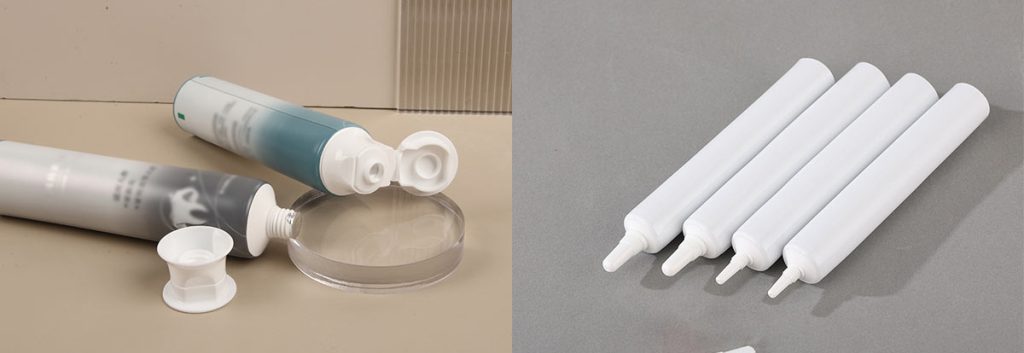
Note: Consistent process control and careful material selection help prevent many common defects in tube and pipe welding.
Operators using a lami tube making machine must monitor each step of the process to ensure high-quality welds. Proper inspection and monitoring reduce the risk of defects and improve the reliability of laminated tube products.
Key process and material issues leading to weak welds:
- Brittle microstructure phases in the weld zone
- Hard secondary particles forming during welding
- Lamination defects that reduce burst pressure
- Intergranular and intragranular cracks
- Misalignment due to poor fit-up or handling
Machine Data Analysis
Structured root cause analysis relies on machine data to identify and correct welding defects in tube and pipe welding. Lami tube making machine collects real-time data on every weld, allowing operators to spot trends and pinpoint the source of problems. Machine data analysis helps teams understand how process variables affect seam quality and defect formation.
The most common root causes of weak welding, as revealed by machine data, include improper heat input, contamination, incorrect joint design, and misalignment. Operators use root cause analysis tools such as the 5 Whys and Failure Modes & Effects Analysis (FMEA) to dig deeper into each defect. These tools help teams ask the right questions and find the underlying reasons for weld failures.
| Welding Defect | Common Causes |
|---|---|
| Cold Cracks | Deformities in steel structure, use of hydrogen, residual stress, contamination, high speed/low current, no preheat, poor joint design, high sulfur and carbon content. |
| Crater Cracks | Insufficient weld pool volume, high speed, improper preheating, poor joint design. |
| Porosity | Weld metal contamination, moisture, improper gas shield, contaminated surface, high gas flow. |
| Undercut | High weld current, fast speed, incorrect angle, poor technique. |
| Incomplete Fusion | Low heat input, surface contamination, incorrect electrode angle, fast travel speed. |
| Incomplete Penetration | Too much space between metals, fast bead movement, low amperage, misalignment. |
Operators use monitoring systems to track seam quality and detect defects as soon as they appear. By analyzing machine data, teams can adjust process parameters and prevent future problems. For example, if the data shows frequent undercut defects, the operator can check weld current, travel speed, and torch angle. This approach improves the quality of every laminated tube produced.
Effective root cause analysis tools in tube and pipe welding:
- The 5 Whys: Teams ask “Why?” several times to reach the root cause of a defect.
- Failure Modes & Effects Analysis (FMEA): Teams assess possible failures and their effects before and during production.
Tip: Regular monitoring and structured root cause analysis help maintain high seam quality and reduce costly downtime in tube manufacturing.
Lami tube making machine equipped with advanced monitoring and inspection systems makes it easier to identify and fix defects. These machines support continuous improvement in tube and pipe welding, leading to better product quality and safer laminated tube applications.
Fixing and Preventing Defects
Immediate Corrections
When operators identify a defect in a laminated tube, they must act quickly to prevent further issues. Immediate corrections focus on stopping the spread of weak welds and maintaining product quality. The following table outlines the most effective steps for addressing weak welds in tube manufacturing:
| Step | Description |
|---|---|
| Containment | Operators halt production or increase inspection to prevent more defective tubes from leaving the line. |
| Root Cause Analysis | Teams investigate the underlying cause of the weld defect to develop a lasting solution. |
| Communication | Supervisors inform all affected staff about the changes and explain the reasons for corrective actions. |
| Controlled Implementation | Operators test the corrective action in a controlled setting before applying it to the entire process. |
| Verification | Teams rigorously check the effectiveness of the corrective action before making it permanent. |
Operators use these steps to ensure that each weld meets strict standards. Early detection of defects allows for quick containment and reduces the risk of defective tubes reaching customers. Communication between team members ensures everyone understands the changes and the reasons behind them. Controlled implementation and verification help maintain weld quality and prevent recurring issues.
Process Optimization
Process optimization plays a key role in reducing weld defects and improving tube manufacturing efficiency. Operators use advanced technologies to streamline workflows and enhance quality control. Integration of AI and automation in the lami tube making machine increases production speed and consistency. AI-driven design tools help optimize tube structure, which reduces waste and accelerates time-to-market.
- AI-based quality control systems detect micro-defects in real time, minimizing product recalls and improving weld quality.
- Automation in extrusion and sealing processes enhances consistency and reduces downtime.
- Robotics and automated handling systems enable faster secondary packaging and labeling, supporting mass customization.
- Real-time monitoring technologies track production metrics, allowing operators to address issues promptly and reduce downtime.
- Advanced materials improve barrier properties and durability, ensuring each laminated tube meets quality standards.
Operators rely on these process improvements to achieve continuous improvement in tube manufacturing. Streamlined workflows and real-time monitoring help reduce human error and increase output. Early detection of defects through AI-based systems ensures that only high-quality tubes reach the market. Process optimization supports defect prevention and maintains high standards in every weld.
Preventive Maintenance
Preventive maintenance of the lami tube making machine directly impacts weld quality and reduces the incidence of defects. Operators follow a preventive maintenance checklist to manage welding machines proactively. This approach reduces downtime and avoids unexpected repair costs.
- Consistent maintenance extends the service life of the machine and improves weld quality, leading to fewer defects.
- Preventive maintenance can reduce the chance of hard failures by up to 50%.
- Regular cleaning and maintenance prevent clogging and feeding problems, which often cause welding defects.
- Well-maintained machines produce more consistent, higher-quality welds, resulting in fewer quality issues.
- Tasks such as calibrating voltage and amperage settings, inspecting contact tips, and removing spatter buildup contribute to cleaner welds.
- Preventive maintenance helps operators catch minor issues before they escalate, ensuring optimal performance and high-quality welds.
Operators who prioritize preventive maintenance see fewer defects and higher quality in laminated tube production. Early detection of potential problems during routine checks supports defect prevention and keeps the lami tube making machine running smoothly. Preventive maintenance forms the foundation for continuous improvement in weld quality and overall tube manufacturing.
Conclusion
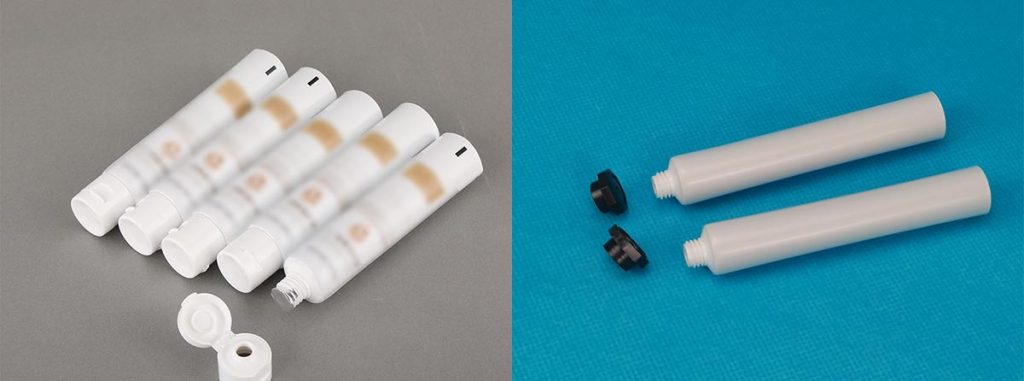
Early defect identification and corrective actions in laminated tube production lead to reduced scrap, improved efficiency, and cost savings. Operators who use advanced weld monitoring and inspection systems, such as Xiris Weld Inspection Systems and SeamMonitor, ensure weld integrity across every tube. Continuous monitoring of the lami tube making machine helps prevent defect recurrence and supports high quality. For ongoing improvement, experts recommend these steps:
- Use proper weld systems and techniques.
- Choose precise welding tools.
- Reduce downtime by documenting processes.
- Implement effective quality control and inspection.
- Incorporate automation for consistent monitoring.
Regular monitoring and proactive defect management keep laminated tube production reliable and efficient.
FAQ
What Causes Weak Welds in Laminated Tube Production?
Weak welds often result from improper heat input, poor alignment, or material defects. Operators using a lami tube making machine must check each step. Careful process control helps maintain strong seams in every tube.
How Does Monitoring Improve Tube Quality?
Monitoring systems track seam integrity during production. These systems detect defects early and help operators adjust settings. Consistent monitoring ensures each tube meets quality standards and reduces the risk of failures.
Why Is Real-Time Monitoring Important in Tube Manufacturing?
Real-time monitoring allows operators to catch defects as they happen. This approach prevents defective tubes from reaching customers. Monitoring also supports quick adjustments, which keeps the production line efficient.
What Role Does the Lami Tube Making Machine Play in Quality Control?
The lami tube making machine automates welding and monitoring. It provides data on each tube and helps operators maintain consistent quality. Automated monitoring reduces human error and supports high production speeds.
How Often Should Operators Inspect Tubes During Production?
Operators should use monitoring systems to inspect every tube. Frequent checks help catch defects early. Regular inspection, combined with automated monitoring, ensures each laminated tube meets strict quality requirements.