


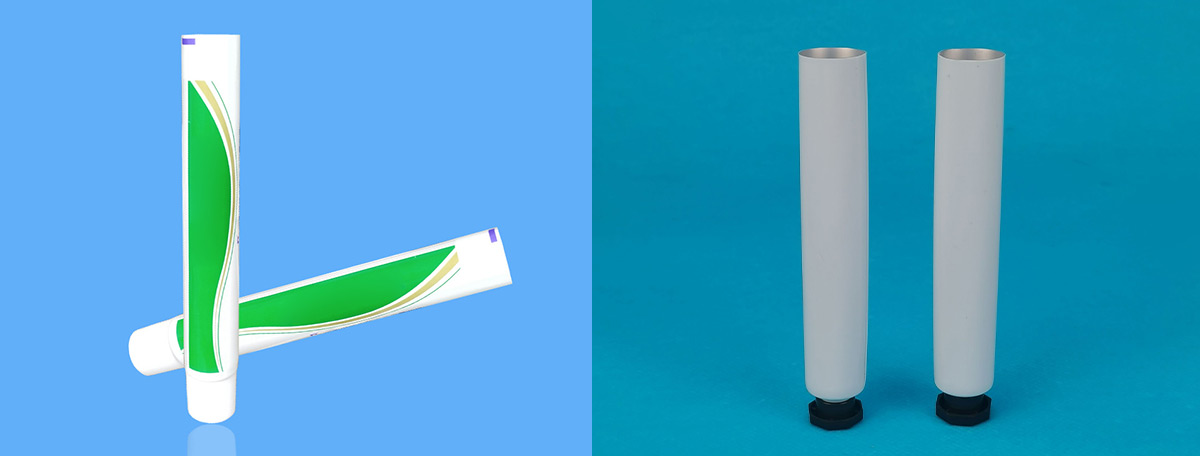
Welding and lamination defects can create weak points in laminated tube manufacturing. These flaws often compromise sealing, allowing leaks and reducing product reliability. Quality control teams use micro analysis to find the root causes of failures. Accurate defect detection ensures product integrity and keeps customers satisfied. Operators and managers of a lami tube making machine must understand how even small imperfections can affect every laminated tube.
Key Takeaways
- Welding and lamination defects can weaken laminated tubes, leading to leaks and reduced reliability. Regular inspections help catch these issues early.
- Understanding the causes of sealing failures, like misaligned jaws and inadequate heating, is crucial for operators to maintain strong seals.
- Using multiple testing methods, such as visual and ultrasonic testing, increases the chances of detecting defects and ensures better quality control.
- Implementing best practices, like proper training and regular maintenance, helps prevent defects and improves the overall quality of laminated tubes.
- Real-time process monitoring allows operators to quickly identify and address defects, leading to stronger, more reliable products.
Defects and Sealing Impact
Sealing Failures
Sealing failures in laminated tube manufacturing often result from a combination of welding and lamination defects. These issues can cause leaks, reduce product lifespan, and damage brand reputation. Operators of a lami tube making machine must recognize the main mechanisms that lead to weak seals.
- Weak seals may develop when heating elements wear out or when sealing jaws become misaligned.
- Misalignment of sealing jaws creates inconsistent pressure, which leads to unreliable seals.
- Inadequate heating from worn elements reduces bond strength.
- Material compatibility problems can cause seals to break easily.
The following table highlights common welding defects found in laminated tube production and their impact on sealing performance:
| Type of Defect | Description | Impact on Sealing Performance |
|---|---|---|
| Undercutting | A groove at the weld bead edge, weakening the joint | Can lead to leaks due to insufficient material strength |
| Slag Inclusion | Non-metallic solid trapped in the weld | May create voids that compromise seal integrity |
| Porosity | Gas pockets in the weld metal | Reduces sealing area, increasing failure risk |
| Incomplete Fusion | Lack of bonding between weld and base metal | Weakens the joint, leading to potential leaks |
| Lack of Penetration | Insufficient weld depth in the base material | Can result in a weak seal that may fail under pressure |
| Burn-through | Excessive heat causing a hole through the material | Compromises the structural integrity of the seal |
Tip: Regular inspection and maintenance of the lami tube making machine help prevent many of these sealing failures.
Lamination defects also play a significant role in sealing problems. These defects can significantly reduce the strength of tubes, especially in weld areas, increasing the risk of leaks and failures. Defects in the weld can reduce burst strength by up to 50%, leading to potential tube failure. Laminations parallel to the tube surface create structural weaknesses that heighten the likelihood of leaks.
Tube Integrity
Tube integrity depends on the ability of the laminated tube to withstand internal pressure and external forces without failure. Welding and lamination defects compromise this integrity, making the tube more likely to fail during use or transport. The manufacturing process must focus on eliminating these defects to maintain high quality.
The table below outlines how specific defects affect tube integrity:
| Defect Type | Description | Impact on Tube Integrity |
|---|---|---|
| Porosity | Small holes or voids in the weld | Reduces strength and can lead to failure under pressure |
| Cracks | Fractures in the weld seam | Major structural weakness, especially in high-stress areas |
| Lack of Fusion | Incomplete joining of materials | Compromises the overall integrity of the weld |
Lamination defects often originate during the rolling or manufacturing process. These defects can significantly reduce the structural integrity of the metal. Identifying each lamination defect is crucial, especially in high-load or pressure applications. Quality analysis helps detect these issues early, preventing costly failures and ensuring that every laminated tube meets industry standards.
- Laminations weaken the tube wall, making it more susceptible to leaks.
- Structural weaknesses from lamination defects can cause sudden tube bursts.
- Early detection through process monitoring improves product reliability.
A robust quality control process, combined with regular analysis, ensures that the manufacturing process produces strong, reliable tubes. Operators who understand the impact of defects can adjust the settings of lami tube making machine to minimize risks and maintain tube integrity.
Lamination Defects in Manufacturing
Types of Lamination Defects
Lamination defects can take many forms in laminated tube manufacturing. Each type of defect can weaken the tube and reduce its sealing performance. Common lamination defects include:
- Delamination: Layers separate within the laminate, creating weak zones.
- Fiber Misalignment: Fibers deviate from their intended direction, reducing strength.
- Voids and Air Pockets: Small gaps or bubbles form between layers.
- Resin-rich or Resin-starved Areas: Uneven resin distribution leads to inconsistent mechanical properties.
- Out-of-plane Deflections: Layers warp or buckle, causing irregular tube surfaces.
A lami tube making machine must produce tubes free from these issues to ensure high quality. Operators often use visual inspection and micro analysis to detect each lamination defect early in the process. When a lamination issue goes unnoticed, the tube may fail under pressure or during sealing.
Note: Early detection of lamination defects helps maintain the integrity of every laminated tube and prevents costly failures.
Causes in Laminated Tube Manufacturing
Several factors in the laminated tube manufacturing can cause lamination defects. Temperature, pressure, and holding time play critical roles. Research shows that increased pressure and longer holding times can lead to fiber misalignment. This misalignment reduces the mechanical performance of the laminate and increases the risk of defects.
Variations in local temperature during the heating phase can also create irregularities in the lami tube structure. These irregularities include changes in ply thickness and out-of-plane deflections, both of which are critical factors in the occurrence of lamination defects. When the process does not maintain consistent conditions, the risk of lamination issues rises.
Operators must monitor the lami tube making machine closely. Proper control of process variables ensures that each laminated tube meets quality standards. Regular analysis and process adjustments help prevent lamination defects and improve overall product reliability.
Defect Analysis Methods
Visual and Non-Destructive Testing
Visual and non-destructive testing methods play a vital role in defect analysis for laminated tube manufacturing. These techniques help operators identify both welding and lamination defects without damaging the tube. Early detection of a lamination defect or welding flaw allows for immediate corrective action, which improves the overall quality of the product.
| Testing Method | Description | Applications |
|---|---|---|
| Visual Testing | Confirms the correct application of penetrant or magnetic particles. | Used in conjunction with liquid penetrant and magnetic particle inspection. |
| Magnetic Particle Testing (MT) | Detects flaws on metal surfaces using a magnetic field. | Commonly used for testing welding on metal structures and cracks in power generation equipment. |
| Liquid Penetrant Testing (PT) | Finds surface-level defects by applying a liquid that seeps into cracks. | Effective for detecting surface defects in metal construction. |
| Ultrasonic Testing (UT) | Uses high-frequency sound waves to detect irregularities. | Helps in identifying laminations and delaminations in materials. |
Operators often use these methods to inspect tubes produced by a lami tube making machine. Visual testing provides a quick overview, while ultrasonic testing can reveal hidden lamination defects deep within the tube wall. Magnetic particle and liquid penetrant testing are especially useful for surface-level flaws.
Advanced imaging methods, such as digital radiography and MicroCT, offer even greater detection capabilities. The table below compares their effectiveness:
| Testing Method | Detection Capability | Advantages |
|---|---|---|
| Digital Radiography | Effective for 2D measurements | Non-invasive, does not require surface preparation, less sensitive to external deposits |
| MicroCT | Quantitative analysis of defects | Provides volumetric data on defects, reinforcement, and matrix layers |
These advanced techniques allow for a more detailed analysis of both surface and internal defects. MicroCT, in particular, can identify the size and distribution of a lamination issue, which helps engineers understand the behavior of the tube under stress.
Tip: Combining multiple testing methods increases the likelihood of detecting all types of defects and ensures a higher level of quality control.
Micro Analysis Techniques
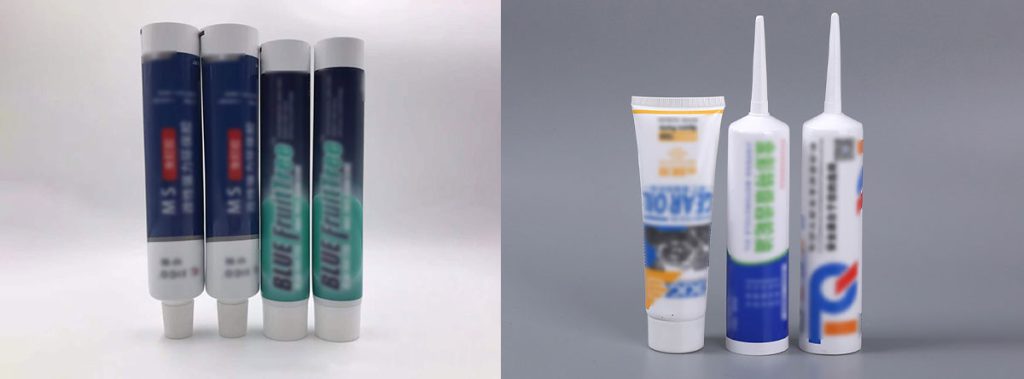
Micro analysis techniques provide deeper insights into the root causes of welding and lamination defects. These methods go beyond surface inspection and allow engineers to study the internal structure and behavior of the laminated tube. By understanding the origin and development of each defect, manufacturers can improve the manufacturing process and prevent future failures.
Common micro analysis techniques include:
- Ultrasonic Welding Analysis: Monitors the welding interface and tracks damage evolution during the process.
- In-situ Micro-CT Analysis: Offers non-destructive characterization of the welding interface and damage mechanisms without destroying the sample.
- Cross-sectional Inspection: Evaluates weld attributes by cutting and examining the tube, though this method destroys the sample.
- Scanning Electron Microscopy (SEM): Provides detailed images of failure modes after testing, but does not capture the initial morphology.
Micro analysis plays a crucial role in defect analysis by revealing how and why defects form. For example, in-situ Micro-CT analysis can show the progression of a lamination defect as the tube undergoes stress. SEM images help engineers identify the exact failure mode, which guides improvements in the manufacturing process.
The table below highlights how micro analysis contributes to better manufacturing outcomes:
| Contribution | Description |
|---|---|
| Real-time Monitoring | Micro analysis allows for continuous observation of manufacturing parameters, leading to immediate adjustments and optimizations. |
| Surface and Internal Defect Detection | Techniques like thermographic monitoring and optical sensors help identify both surface and internal defects, enhancing quality control. |
| Process Modeling | Utilizing process modeling reduces iteration time and improves the quality of the final product by optimizing manufacturing parameters. |
| Quality Control | Effective quality assurance during manufacturing phases significantly impacts defect rates and overall efficiency. |
By applying these techniques, operators can monitor the process in real time and make necessary adjustments to the lami tube making machine. This proactive approach reduces the occurrence of lamination defects and welding flaws, resulting in stronger, more reliable laminated tubes.
Note: Micro analysis not only identifies the root causes of defects but also supports continuous improvement in the manufacturing process. This leads to fewer failures, higher product quality, and greater customer satisfaction.
Effects on Product Reliability
Leak Risks
Leak risks in laminated tube manufacturing depend on the type and size of defects present in the tube. Operators often find that lamination defects, such as air pockets or delaminations, create weak points that allow fluids to escape. The process of manufacturing must focus on minimizing these flaws to ensure a reliable seal.
The study indicates that different weave styles, such as satin and plain weave, exhibit varying failure modes. Satin weave tends to fail more brittlely due to its structural composition, while plain weave shows potential for internal delaminations due to air pockets, which can significantly affect leak risks.
Microscopic analysis revealed that plain weave tubes with low wall thickness contained air pockets that could act as internal delaminations, potentially altering the hydrostatic performance and increasing leak risks.
A pre-existing macroscopic defect in a plain weave tube, caused by insufficient pre-tension during manufacturing, created a weak point that led to damage initiation under hydrostatic compression, highlighting how manufacturing defects can directly influence leak risks.
Operators using a lami tube making machine must monitor the process closely. Early detection and analysis of defects help prevent leaks and improve product quality. When a defect goes unnoticed, the tube may fail during use, leading to customer complaints and product recalls.
Strength and Durability
Strength and durability define the long-term performance of a laminated tube. Welding and lamination defects can reduce the tube’s ability to withstand pressure and repeated use. Larger defects in the weld area, for example, significantly decrease the creep life of joints, as seen in studies of HDPE pipes. This finding suggests that similar defects in laminated tubes can lower their long-term reliability, since weld integrity is essential for structural performance.
Industry standards set clear expectations for strength and durability. The table below summarizes key attributes:
| Attribute | Description |
|---|---|
| Mechanical Strength | Superior mechanical strength suitable for high-stress applications. |
| Thermal Resistance | Maintains integrity under high temperatures due to Phenolic and Epoxy resins. |
| Electrical Insulation | Outstanding properties preventing conductivity, enhancing safety in electrical applications. |
| Chemical Resistance | Highly resistant to chemicals and corrosion, extending product life in harsh environments. |
| Dimensional Stability | Retains shape and size across various temperatures and physical stresses. |
| Standards Compliance | Meets NEMA, MIL-I, and ASTM standards ensuring quality and reliability. |
A robust manufacturing process and regular analysis help maintain these standards. Operators must adjust the lami tube making machine to reduce the risk of defects. By understanding the behavior of defects and their impact on tube performance, manufacturers can deliver products that meet industry requirements and customer expectations.
Prevention and Quality Assurance
Best Practices
Manufacturers of laminated tubes rely on a set of best practices to prevent welding and lamination defects. These practices help maintain high sealing quality and reduce the risk of leaks. Operators working with a lami tube making machine should follow these guidelines:
- Implement quality control measures to monitor and inspect every aspect of the welding process.
- Ensure welders receive proper training and certification.
- Conduct regular preventative maintenance on welding equipment.
- Control raw materials by verifying cleanliness and composition.
- Monitor process parameters such as temperature, deformation, and cooling.
- Perform regular inspections and testing, including ultrasonic and visual checks.
- Maintain detailed records of process parameters and inspection results.
- Document and trace all corrective actions.
Effective sealing quality depends on controlling process parameters like temperature, time, and pressure. Minimizing contamination during production also improves seal integrity. Understanding the behavior of defects, such as the formation of gaps and channels, allows for better defect prevention. These best practices support consistent analysis and help operators identify issues before they affect tube performance.
Tip: Consistent documentation and traceability make it easier to identify recurring problems and improve future production runs.
Process Monitoring
Process monitoring plays a crucial role in early defect detection for laminated tube manufacturing. Real-time monitoring allows operators to spot issues as soon as they arise. Modern lami tube making machines often use cameras and AI to track the process. This technology reduces defect rates and boosts product quality by enabling quick responses to problems. It also helps manage workforce challenges and ensures consistent results.
Effective monitoring strategies include:
- Real-time process monitoring for immediate defect detection.
- Consolidation monitoring compatible with thermoplastic composite pipes.
- Advanced techniques like higher harmonic generation for early-stage delamination detection.
These methods provide valuable data for analysis and support continuous improvement. By observing the process closely, operators can adjust settings to prevent defects and maintain the desired behavior of the laminated tube. This approach leads to fewer failures and higher customer satisfaction.
Conclusion
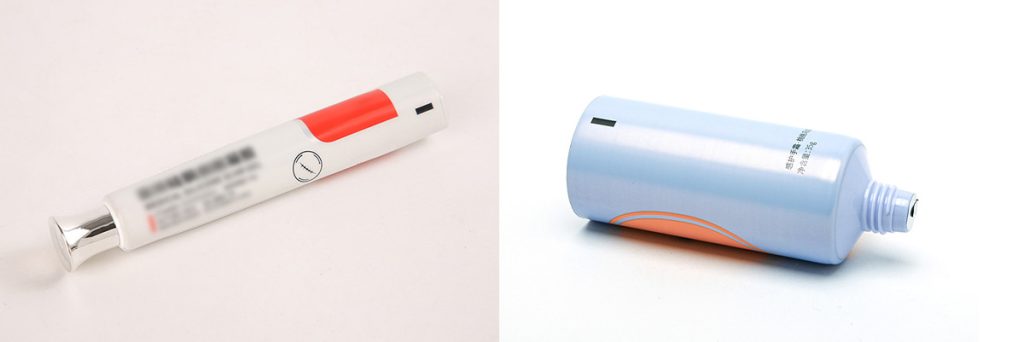
Defect analysis plays a key role in maintaining sealing quality for every laminated tube. Operators who use micro analysis and strict quality control on a lami tube making machine help prevent leaks and failures. Ongoing improvements in these areas build customer trust. The table below shows how advanced monitoring and analytics support product reliability:
| Benefit | Description |
|---|---|
| Real-time monitoring | AI identifies defects early, ensuring high-quality laminated tube production. |
| Predictive analytics | Forecasts demand and optimizes schedules to meet consumer needs. |
| Quality control ideology | Machine learning detects inconsistencies, improving overall product quality. |
Continuous vigilance and best practices ensure strong, reliable tubes and lasting customer confidence.
FAQ
What Is the Most Common Weld Defect in Laminated Tube Manufacturing?
Operators often encounter incomplete fusion as the most common weld defect. This issue weakens the joint and increases the risk of leaks. Regular inspection of the lami tube making machine helps reduce incomplete fusion and other weld problems.
How Do Lamination Defects Affect Fitness for Service?
Lamination defect presence reduces the tube’s fitness for service. These defects create weak points that may fail during use. Quality control teams use hydrostatic tests to check if a laminated tube meets fitness for service standards.
Why Is Surface Defect Detection Important for Weld Quality?
Surface defect detection ensures that each weld meets safety and performance standards. Detecting a surface defect early prevents larger failures. Operators rely on visual inspection and advanced testing to maintain weld quality in every laminated tube.
How Does Defect Behavior Influence Fitness for Service?
Defect behavior determines how a weld or lamination defect will grow under stress. Understanding defect behavior helps engineers predict failures. This knowledge allows them to improve the fitness for service of tubes produced by a lami tube making machine.
What Role Does Quality Control Play in Preventing Weld and Lamination Defects?
Quality control teams monitor every weld and lamination defect during production. They use advanced testing and process monitoring to catch problems early. This approach ensures that each laminated tube meets fitness for service requirements and maintains high reliability.