


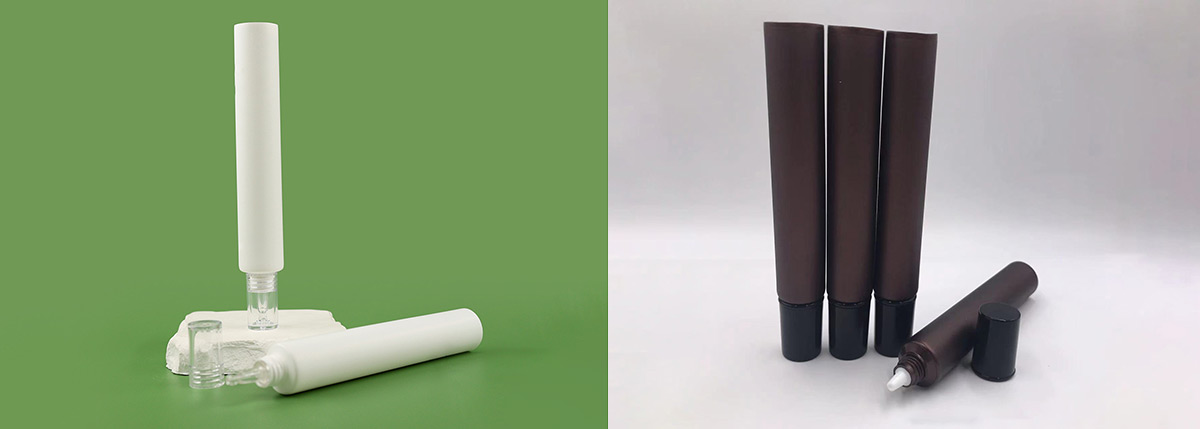
Most manufacturers prefer internal overlap welding for laminated tubes because this method typically offers a cleaner seam and stronger barrier protection. The right choice, however, depends on specific needs. Factors such as weld strength, environmental resistance, inspection access, compatibility with lami tube making machine, and tube geometry all influence the decision. The table below highlights common criteria that guide method selection:
| Criterion | Description |
|---|---|
| Customer Specifications | The end customer’s application and expected welding results guide the choice. |
| Investment Costs | The initial purchase price of welding equipment varies by method. |
| Weld Quality | Higher investment often improves weld quality and automation. |
| Automation | Automated methods improve working conditions and reduce hazards. |
| Required Skills | Each method demands different technical skills and training. |
| Market Standards | Compliance with market requirements affects selection. |
Key Takeaways
- Internal overlap welding offers a smooth seam and strong barrier protection, making it ideal for cosmetics and pharmaceuticals.
- External overlap welding allows for easier inspection and repair, which is beneficial for industrial applications.
- Consider the application needs and customer expectations when choosing a welding method for laminated tubes.
- Evaluate production costs and equipment compatibility to ensure efficient manufacturing processes.
- Always prioritize seam quality and barrier performance to maintain product integrity and safety.
Laminated Tubes: Welding Methods
Laminated tubes require reliable structural joining techniques to ensure product integrity and performance. Manufacturers often choose between two main joining methods: internal overlap welding and external overlap welding. Each method offers unique benefits and challenges, making the selection process important for both product quality and production efficiency.
Internal Overlap Welding
Internal overlap welding creates a seam by joining the inner layers of the laminated tube. The laminated tube making machine applies heat and pressure from inside the tube, causing the inner material layers to fuse. This process hides the seam within the tube wall, which helps maintain a smooth and clean outer surface. Many cosmetic and pharmaceutical brands prefer this method because it protects the product from external contaminants and improves shelf appeal. Internal overlap welding also supports strong barrier properties, which are essential for sensitive contents.
External Overlap Welding
External overlap welding joins the outer layers of the laminated tube. The lami tube making machine applies heat and pressure from the outside, fusing the external material layers. This method leaves a visible seam on the tube’s surface. Some manufacturers select external overlap welding for easier inspection and repair of the seam. It can also suit applications where the tube’s appearance is less critical, such as industrial or technical uses.
Tip: Always match the welding method to the tube’s end use and the customer’s quality expectations.
| Feature | Internal Overlap Welding | External Overlap Welding |
|---|---|---|
| Seam Location | Inside tube wall | Outside tube wall |
| Surface Appearance | Smooth, clean | Visible seam |
| Barrier Protection | High | Moderate |
| Inspection Ease | Moderate | High |
| Typical Applications | Cosmetics, pharma | Industrial, technical |
Key Factors
Application Needs
Manufacturers select joining methods for laminated tubes based on the product’s end use. Cosmetic and pharmaceutical tubes require a smooth finish and strong barrier properties. These industries often demand internal overlap welding because it hides the seam and protects sensitive contents. Food packaging also benefits from this method, as it helps prevent contamination. In contrast, industrial applications, such as laminated cfrp composite pipes, may prioritize ease of inspection and repair. External overlap welding allows for quick visual checks and maintenance. The choice depends on the specific requirements of the application and the expectations of the customer.
Appearance & Seam Quality
The appearance of the seam plays a major role in product acceptance. Internal overlap welding produces a clean, smooth surface on laminated tubes. This feature appeals to brands that value shelf appeal and consumer trust. External overlap welding leaves a visible seam, which may not suit high-end cosmetic or pharmaceutical packaging. However, some technical applications, including certain laminated cfrp composite pipes, do not require a flawless exterior. In these cases, function outweighs appearance. Manufacturers must consider both the visual impact and the practical needs of the tube.
Strength & Barrier
Mechanical strength and barrier protection are critical design factors for laminated tubes. Internal overlap welding creates a strong bond within the tube wall, which helps resist internal pressure and prevents leaks. This method supports high barrier performance, making it ideal for products that must remain uncontaminated. External overlap welding can also provide good strength, but the seam may become a weak point under high internal pressure or repeated use. Experimental investigation shows that seam quality affects fatigue resistance and long-term durability. Failure analysis often reveals that poor joining leads to leaks or ruptures, especially in demanding environments. Manufacturers must balance mechanical strength with the need for effective barrier protection.
Production & Cost
Production speed and cost efficiency influence the choice of joining methods. Internal overlap welding usually requires more precise control and lami tube making machine. This investment can increase initial costs but often results in higher-quality laminated tubes. External overlap welding may use simpler equipment and faster processes, which can lower production costs. However, the trade-off may include reduced seam quality or barrier performance. Manufacturers must weigh the benefits of automation, labor requirements, and long-term reliability when selecting a joining method.
Equipment Needs
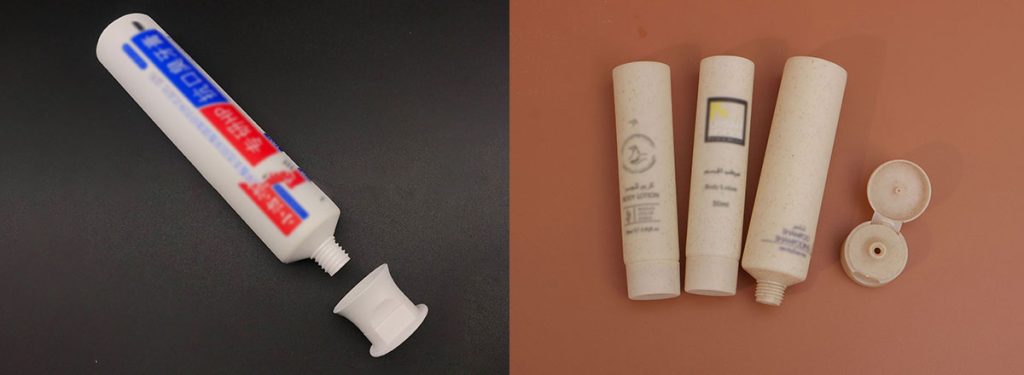
The compatibility of the lami tube making machine with the chosen joining method is essential. Internal overlap welding demands machines that can apply heat and pressure from inside the tube. These machines must handle complex tube geometries and maintain consistent weld quality. External overlap welding equipment applies heat from the outside and may allow for easier setup and maintenance. Material compatibility also matters, as some laminated tubes use layers that respond differently to heat. The right equipment ensures reliable joining and supports efficient production. Manufacturers should consult with machine suppliers to match equipment capabilities with their specific needs.
Note: Careful selection of joining methods and equipment helps manufacturers achieve the best balance of appearance, strength, and cost for their laminated tubes.
Pros & Cons
Internal Welding: Pros
Internal overlap welding offers several advantages for manufacturers of laminated tubes. This method creates a seam inside the tube wall, which protects the product from external contaminants. Many cosmetic and pharmaceutical brands prefer this approach because it delivers a smooth, clean surface that enhances shelf appeal. Internal welding also supports strong barrier properties, which help prevent leaks and maintain product integrity. Recent industry reports highlight additional benefits:
| Performance Advantage | Description |
|---|---|
| High Efficiency | Enhanced fabrication efficiency of laminated wire mesh through resistance welding. |
| Reduced Thickness | The laminated mesh becomes thinner than raw materials due to welding pressure, ideal for micro heat pipes. |
| Lower Porosity | Resin use effectively reduces porosity in the laminated mesh wick. |
| Improved Heat Transfer | Increased specific surface area and roughness after laser processing enhances heat transfer performance. |
Internal overlap welding also improves resistance to fatigue, which increases the durability of the tube during repeated use. The lami tube making machine can automate this process, resulting in consistent weld quality and reliable mechanical joining.
Internal Welding: Cons
Despite its strengths, internal overlap welding presents some challenges. The process requires lami tube making machine that apply heat and pressure from inside the tube. These machines often cost more and demand skilled operators. Inspection and repair of the seam can be difficult because the weld is hidden within the tube wall. Some laminated tube designs may not suit this method, especially if the geometry is complex. Manufacturers must also monitor heat distribution to avoid damaging sensitive materials.
External Welding: Pros
External overlap welding provides easier access for inspection and repair. The seam remains visible, allowing operators to check weld quality quickly. This method suits industrial applications where appearance is less important. Production speed can increase because the lami tube making machine applies heat from the outside, often using simpler equipment. External welding works well for joining tubes with straightforward geometry and materials that tolerate external heat.
Tip: External overlap welding can reduce initial investment costs for manufacturers who prioritize function over appearance.
External Welding: Cons
External overlap welding may leave a visible seam, which can reduce shelf appeal for cosmetic or pharmaceutical products. The seam can become a weak point under internal pressure, increasing the risk of leaks or mechanical failure. Some studies show that external seams may be more prone to corrosion or defects, especially in harsh environments. The method may not provide the same level of barrier protection as internal welding, which can affect product longevity.
Decision Guide
Checklist
Selecting the right welding method for a laminated tube involves several important steps. This checklist helps manufacturers and engineers make informed decisions:
- Define the Application
Identify if the laminated tube will be used for cosmetics, pharmaceuticals, food, or industrial products. Each application has unique requirements for seam quality and barrier protection. - Assess Appearance Needs
Decide if a smooth, clean surface is essential. Internal overlap welding often provides a better finish, which many brands prefer for consumer products. - Evaluate Strength and Barrier Requirements
Consider if the tube must withstand high pressure or protect sensitive contents. Internal overlap welding usually offers stronger barrier properties. - Review Inspection and Repair Priorities
Determine if easy access for inspection or repair is necessary. External overlap welding allows for quicker checks and maintenance. - Analyze Production and Cost Factors
Compare the investment and operating costs of each lami tube making machine. Simpler machines may lower costs but could affect seam quality. - Check Equipment Compatibility
Ensure the chosen joining method matches the capabilities of the available lami tube making machine and the materials used.
Note: An experimental investigation can reveal how different joining methods affect the long-term durability of a laminated tube.
Flowchart
Below is a simple flowchart to help guide the selection process:
graph TD
A[Start] --> B{Application Type?}
B -->|Cosmetics/Pharma/Food| C[Need High Barrier & Smooth Finish?]
C -->|Yes| D[Choose Internal Overlap Welding]
C -->|No| E[Consider External Overlap Welding]
B -->|Industrial/Technical| F[Need Easy Inspection/Repair?]
F -->|Yes| E
F -->|No| D
This flowchart helps users quickly match their needs to the best joining method for their laminated tube project.
Conclusion
Manufacturers should select a welding method for laminated tubes based on application, seam quality, and production needs. Internal overlap welding often provides a smoother finish and stronger barrier, while external overlap welding allows easier inspection. Consulting lami tube making machine experts helps match technology to requirements. Recent research highlights the impact of welding parameters on joint quality and microstructure:
| Research Focus | Key Findings |
|---|---|
| Submerged Arc Welding (SAW) | Optimizing welding parameters improves joint quality and addresses lamination defects. |
| Orbital TIG Welding | Best quality achieved with specific parameters. |
- Friction Stir Welding uses a rotating tool to join materials without filler.
Careful evaluation ensures the best outcome for every laminated tube project.
FAQ
What Factors Influence the Design of Composite Pipes for Laminated Tubes?
Engineers consider the application, required strength, and barrier properties when they design composite pipes for laminated tubes. The lami tube making machine must support the chosen design. Material selection and wall thickness also affect the final design and performance.
How Does Internal Pressure Affect the Design of Composite Pipes?
Internal pressure determines the wall thickness and material selection in the design of composite pipes. Designers use calculations to ensure the laminated tube can withstand expected internal pressure. The lami tube making machine must produce consistent seams to maintain safety.
Why Do Manufacturers Prefer Internal Overlap Welding for Laminated Tube Design?
Manufacturers often select internal overlap welding for laminated tube design because it creates a smooth surface and strong barrier. This method protects composite pipes from contamination. The lami tube making machine ensures precise seam placement, which improves the overall design.
What Role Does the Lami Tube Making Machine Play in Composite Pipe Design?
The lami tube making machine shapes and joins materials during the design of composite pipes. It controls heat and pressure to create reliable seams in the laminated tube. Machine settings must match the design requirements for strength and durability.
Can Composite Pipes Withstand High Internal Pressure in Laminated Tube Applications?
Composite pipes can handle high internal pressure if the design uses suitable materials and proper seam techniques. The lami tube making machine must create strong, consistent welds. Engineers test the laminated tube to confirm it meets design standards for internal pressure.