


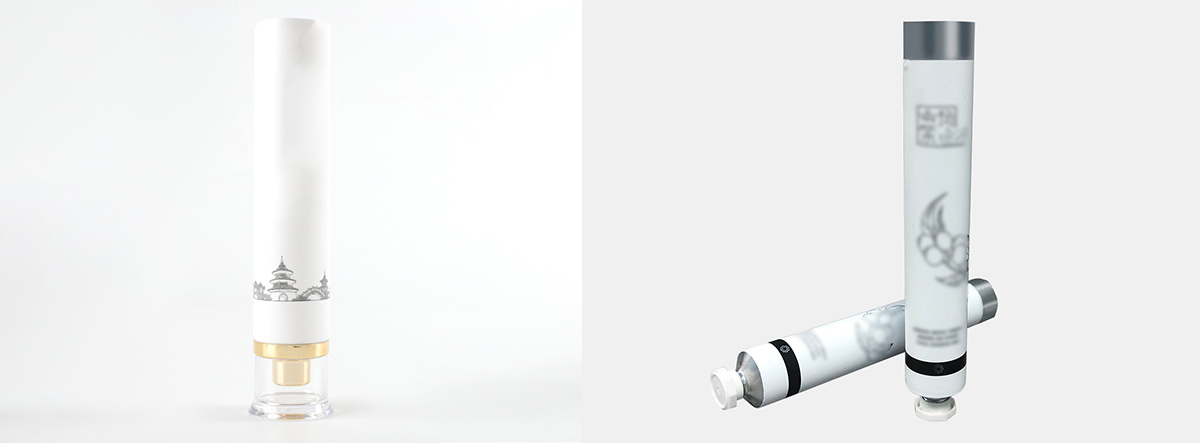
Daily inspections and preventive maintenance of pneumatic systems in lami tube making machine play a critical role in laminated tube production. Technical staff should follow maintenance best practices to reduce downtime and extend equipment lifespan. The recommended daily maintenance steps include:
- Cleaning the exterior of pneumatic equipment.
- Replacing worn or damaged components.
- Inspecting pneumatic hoses and fittings for cracks or leaks.
- Cleaning and maintaining the air service unit.
- Checking pneumatic cylinders.
- Lubricating moving parts.
- Maintaining the cleanliness of air compressors.
- Removing water accumulation and keeping air dry.
- Regulating air pressure for optimal performance.
Routine checks and regular maintenance help reduce downtime and prevent costly repairs. Pneumatic tool maintenance ensures efficiency and reliability in every shift.
Key Takeaways
- Daily inspections of pneumatic components prevent unexpected failures and ensure smooth production. Make it a habit to check for visible damage and wear at the start of each shift.
- Proper lubrication of moving parts is essential for optimal performance. Follow a regular lubrication schedule to avoid wear and extend the lifespan of pneumatic systems.
- Moisture control is critical in pneumatic systems. Use air dryers and monitor humidity levels to prevent damage and maintain efficiency in laminated tube production.
- Regular maintenance of filters and regulators ensures clean air supply and stable pressure. Inspect and clean filters daily to avoid airflow issues that can disrupt production.
- Staff training enhances the effectiveness of maintenance routines. Invest in training programs to equip technicians with the skills to identify and address potential issues early.
Visual Inspection
Daily visual inspection forms the foundation of effective pneumatic system care in any laminated tube making machine. By identifying early signs of damage or wear, technical staff can prevent unexpected failures and maintain consistent laminated tube production. The following steps outline how to conduct visual inspections thoroughly.
Check for Damage
Operators should begin each shift by examining all pneumatic components for visible signs of damage. This process includes:
- Inspect the cylinder for rust or physical damage.
- Examine the tube and rod seal for any wear or tear.
- Decide if the cylinder or its mounting parts require replacement based on their condition.
A detailed approach helps catch issues before they escalate. The table below summarizes the recommended steps:
| Step | Description |
|---|---|
| 1 | Conduct a visual examination for visible signs of wear, such as cracks or dents. |
| 2 | Use magnifying tools to detect minute damages not visible to the naked eye. |
| 3 | Check for loose or missing components that may affect performance. |
Tip: Always check the cylinder, tube, and rod seal for rust or damage. Replace the entire cylinder and its mounting parts if significant rust or damage appears.
Inspect Hoses and Fittings
Hoses and fittings play a crucial role in pneumatic systems. Staff should look for cracks, abrasions, or bulges along the length of each hose. Fittings must remain tight and free from corrosion. Any sign of oil or moisture around connections may indicate a leak or seal failure. In some lami tube making machines, checking the pressure and condition of air supply lines is as important as checking tire pressure in vehicles. Proper hose condition ensures stable air delivery for laminated tube production.
Look for Loose Components
Loose components can cause vibration, noise, and even system failure. During inspection, staff should gently move fittings, clamps, and brackets to confirm they remain secure. Missing bolts or fasteners require immediate replacement. Operators should also listen for unusual sounds. Listening for hissing sounds is a simple and cost-effective method for detecting air leaks in pneumatic systems. This method works best for larger leaks, but in noisy environments, it may be difficult to hear. If a hissing sound is present, staff should investigate further to locate the source and address the issue promptly.
Note: A leak does not produce a visible sign or odor, so listening for hissing sounds while inspecting the system is the most straightforward way to spot a leak. In loud manufacturing environments, detecting these sounds can be challenging.
By following these steps and making visual inspection a daily habit, technical teams can ensure the reliability and safety of every pneumatic component in the lami tube making machine. Regular inspection supports ongoing maintenance and helps prevent costly downtime in laminated tube production.
Leak Detection
Find Air Leaks
Detecting air leaks in a lami tube making machine is essential for maintaining the efficiency of pneumatic systems. Operators use several reliable methods to identify leaks in laminated tube production. Visual inspection remains the first step. Staff look for oil stains, moisture, or bubbles around pneumatic connections. Listening for hissing sounds helps pinpoint the location of escaping air. In noisy environments, this method may require extra attention.
Technicians also use advanced leak detection techniques. The following list outlines common methods:
- Pressure change method: Staff monitor pressure drops in the pneumatic system.
- Pressure differential method: Operators compare pressure readings at different points.
- Pressure increase method: Technicians observe pressure build-up to spot inconsistencies.
- Closed component method: Staff isolate sections of the system to check for leaks.
- Mass flow method: Operators measure air flow to detect abnormal losses.
- Flow measurement method: Technicians use flow meters for precise leak identification.
Other approaches include pressure decay leak testing, submersible leak testing, and mass spectrometer sniffing. Each method suits different types of pneumatic components and production environments.
Tip: Early detection of leaks in pneumatic systems prevents energy loss and supports consistent laminated tube output.
Address Leak Points
Immediate action is necessary when staff discover leak points in a lami tube making machine. Delays can disrupt laminated tube production and increase costs. Operators prioritize leaks based on risk level. High-risk leaks receive urgent attention to avoid hazards and downtime.
The table below summarizes best practices for addressing leak points:
| Key Point | Description |
|---|---|
| Prioritization | Address the most hazardous leaks first to protect equipment and staff. |
| Proactive Maintenance | Regular inspections and repairs prevent leaks from escalating. |
| Cost Efficiency | Early intervention reduces downtime and lowers overall maintenance expenses. |
Technicians replace damaged pneumatic hoses, tighten fittings, and clean affected areas. Routine maintenance ensures that leaks do not recur. Staff document repairs and monitor the system for further issues.
Note: Quick response to leaks in pneumatic systems keeps lami tube making machines running smoothly and maintains high-quality laminated tube production.
Lubrication and Moisture Control
Lubricate Moving Parts
Proper lubrication is essential for the smooth operation of every pneumatic component in a lami tube making machine. Technicians must select the right lubrication oil for pneumatic cylinders and follow a methodical approach to lubricate the pneumatic system. They should always adhere to manufacturer instructions for maintenance best practices. Regular maintenance helps prevent sticking or jamming, which can cause erratic movement or complete failure to actuate. Inadequate lubrication may lead to seal failure, resulting in air leakage and reduced efficiency. Pneumatic tool maintenance extends the lifespan of cylinders and pivot points.
Operators should follow a clear schedule for daily maintenance and lubrication:
| Interval | Task Description |
|---|---|
| Daily | Release condensate, check oil levels, refill oil. |
| Every 3 months | Check pipe penetrability, clean filters. |
| Every 2 years | Replace cylinder seals, perform full check-up. |
Technicians must regularly check and maintain lubrication systems to ensure optimal performance. Routine maintenance schedules, as recommended by manufacturers, support consistent laminated tube manufacturing. Lubricate the pneumatic system every four weeks at cylinder and pivot points to avoid increased wear and tear.
Tip: Regular maintenance and proper lubrication prevent costly repairs and keep the lami tube making machine running efficiently.
Manage Moisture
Moisture management is critical in pneumatic systems used for laminated tube manufacturing process. Excessive moisture can cause material bridging, blockages, and mold growth, which disrupts stable material flow. High humidity may damage seals, bearings, and electrical devices in the lami tube making machine.
Operators should monitor humidity and temperature continuously. They can use dehumidification and cooling systems to control moisture levels. Real-time monitoring equipment helps detect and address deviations quickly. A comprehensive system assessment identifies environmental challenges and material sensitivities. Targeted retrofits, such as dehumidifiers or air coolers, resolve moisture issues.
Air dryers play a vital role in moisture management. They prevent freezing, remove contamination, halt water buildup, and inhibit corrosion in pneumatic components. Air dryers also improve efficiency and reduce microbial growth, ensuring high-quality laminated tube output.
Note: Effective moisture management protects pneumatic systems and supports reliable laminated tube manufacturing.
Filter and Regulator Care
Inspect Filters
Operators must inspect pneumatic filters in every lami tube manufacturing machine at the start of each shift. Clean filters help maintain air quality and prevent contaminants from entering the system. Staff should remove filters, check for dirt or oil buildup, and clean or replace them as needed. A clogged filter can reduce airflow and cause pressure drops, which may affect laminated tube production.
Jürgen Fuhrmann, Head of Quality Assurance, says, “We keep a particularly close eye on the compressed air supply to the production facilities. We place the highest demands on compressed air quality. To prevent microorganisms, solid particles, humidity, and oil aerosols from reaching the final consumption points, we use the LifeTec™ P-SRF sterile filters to secure some of the production lines in the clean room.”
Regular maintenance of pneumatic filters ensures that only clean, dry air reaches sensitive components. Staff should follow a consistent daily maintenance schedule. In high-traffic or dusty environments, filters may need more frequent attention.
- Regular air filter maintenance is essential for effectiveness.
- The frequency depends on filter type, environmental conditions, and manufacturer recommendations.
- Establishing a consistent maintenance schedule ensures optimal air quality and system performance.
Technicians should watch for signs of filter failure, such as reduced airflow, visible dirt, or unusual noises from the pneumatic system.
Adjust Regulators
Regulators control the air pressure supplied to pneumatic components in the lami tube manufacturing machine. Operators must adjust regulators to match the requirements of laminated tube production. Start by ensuring the machine is powered off and pressure is released. Use accurate tools to measure and set the desired pressure. Wear protective gear for safety.
Set the pressure parameters based on the rated working pressure and the needs of the production process. Fine-tune the regulator by adjusting the start and stop pressures. Allow the system to stabilize, then test under both no-load and full-load conditions. This process ensures the pneumatic system operates within the correct pressure range.
If a regulator fails, staff may notice unstable air pressure, inconsistent machine performance, or visible damage to the regulator itself. Immediate replacement or repair is necessary to maintain production quality.
Tip: Consistent filter and regulator care forms the foundation of pneumatic tool maintenance and supports maintenance best practices in every lami tube making machine.
Daily Care in Laminated Tube Production
Routine Steps
Operators in laminated tube production rely on consistent daily care routines to keep pneumatic systems running smoothly. They begin each shift by reviewing accurate circuit and functional diagrams for every lami tube making machine. This step helps them understand the layout and identify potential trouble spots. Staff protect impulse valves from dirt, mechanical shocks, and cooling water. They check that imprints on elements and units remain clear and visible, which supports quick identification during inspections.
Technicians use only manufacturer-specified valve openings. They avoid drilling new holes in system elements, consulting the manufacturer if additional openings are needed. The service unit stays visible and easy to access, often placed higher than other components for convenience. Operators monitor throttle limits closely, ensuring they do not exceed specified values. When dismantling or reassembling cylinders or valves, they handle sealing materials with care to prevent leaks.
Proper control of actuated valves prevents serious issues in pneumatic systems. Staff inspect hoses, fittings, and connections for signs of wear or damage. They clean filters and adjust regulators to maintain optimal air pressure. Lubrication of moving parts and moisture management remain top priorities. Operators release condensate daily and check oil levels to keep the lami tube making machine in peak condition.
Tip: Integrating these steps into shift change routines ensures that every operator follows the same process, reducing the risk of missed inspections and supporting reliable laminated tube production.
Staff training plays a vital role in the effectiveness of daily care routines. Well-trained technicians can spot minor issues before they escalate, preserving the functionality and safety of pneumatic systems. Comprehensive training programs teach staff how to perform routine inspections and preventive maintenance, which reduces equipment failures and streamlines operations.
Essential Daily Care Checklist for Laminated Tube Production:
- Review circuit and functional diagrams.
- Protect impulse valves from contaminants.
- Confirm visibility of imprints on elements.
- Use only approved valve openings.
- Consult manufacturer for modifications.
- Ensure service unit accessibility.
- Monitor throttle limits.
- Handle sealing materials carefully.
- Control actuated valves properly.
- Inspect hoses, fittings, and connections.
- Clean filters and adjust regulators.
- Lubricate moving parts.
- Manage moisture and release condensate.
- Integrate inspection into shift changes.
- Train staff regularly.
Common Pitfalls
Laminated tube production faces several common pitfalls when daily care routines for pneumatic systems are neglected. Operators sometimes overlook the importance of accurate diagrams, leading to confusion during troubleshooting. Failure to protect impulse valves from dirt or mechanical shocks can result in premature wear and costly repairs. Using unauthorized valve openings or drilling new holes in system elements may compromise system integrity.
Staff may forget to place the service unit in an accessible location, making routine maintenance difficult. Exceeding throttle limits can cause erratic performance in the lami tube making machine. Mishandling sealing materials during cylinder or valve work often leads to leaks and reduced efficiency. Inadequate control of actuated valves can trigger serious malfunctions.
Technicians sometimes skip daily inspections or rush through them, missing early signs of damage. Neglecting filter cleaning or regulator adjustments can lower air quality and disrupt laminated tube production. Insufficient lubrication and poor moisture management increase the risk of component failure. Lack of staff training leaves operators unprepared to handle routine maintenance or identify minor issues.
| Pitfall | Impact on Laminated Tube Production |
|---|---|
| Skipping daily inspections | Increased downtime and unexpected failures |
| Ignoring impulse valve care | Reduced pneumatic system lifespan |
| Unauthorized modifications | System instability and safety risks |
| Poor service unit placement | Difficult maintenance and delayed repairs |
| Exceeding throttle limits | Erratic machine performance |
| Mishandling sealing materials | Air leaks and reduced efficiency |
| Inadequate staff training | Missed issues and inefficient workflows |
Note: Regular training and integration of inspection routines into every shift help operators avoid these pitfalls and maintain high standards in laminated tube production.
Technicians who follow structured daily care routines and receive ongoing training contribute to the reliability and efficiency of pneumatic systems. They help prevent downtime, reduce repair costs, and ensure consistent quality in every laminated tube produced.
Conclusion
Daily inspection and care for pneumatic components in a lami tube making machine deliver measurable benefits. The probability of reduced downtime increases after regular pneumatic maintenance, as shown below:
| Time (days) | Probability (Before Maintenance) | Probability (After Maintenance) |
|---|---|---|
| 8 | 0.26695 | 0.46195 |
| 18 | 0.00278 | 0.15207 |
| 24 | 0.00005 | 0.07499 |
| 9 | 0.4185 | 0.5148 |
| 19 | 0.0574 | 0.2208 |
| 25 | 0.0120 | 0.1364 |
Consistent pneumatic inspection improves product quality, extends component life, and supports safe operation in laminated tube production. Teams who share best practices and invest in ongoing training build technical skills, reduce errors, and maintain production schedules. Staff should continue to refine daily pneumatic routines and encourage process improvement for every shift.
FAQ
What Is the Most Common Cause of Pneumatic Failure in a Lami Tube Making Machine?
Operators often find that air leaks and worn seals cause most pneumatic failures. Regular inspection and prompt replacement of damaged parts help prevent downtime in laminated tube production.
How Often Should Technicians Perform Maintenance on Pneumatic Components?
Technicians should perform daily maintenance on pneumatic components. This routine keeps the lami tube making machine running smoothly and supports consistent laminated tube output.
Why Is Moisture Control Important in Pneumatic Systems?
Moisture can damage pneumatic cylinders and valves. Effective moisture control prevents corrosion and ensures reliable operation in laminated tube production.
What Tools Help Detect Air Leaks in Pneumatic Systems?
Technicians use pressure gauges, flow meters, and listen for hissing sounds. These tools help locate leaks quickly and maintain the efficiency of the lami tube making machine.
Can Staff Skip Daily Inspections If the Machine Runs Well?
Skipping daily inspections increases the risk of unexpected failures. Consistent checks help technicians catch issues early and maintain high-quality laminated tube production.