


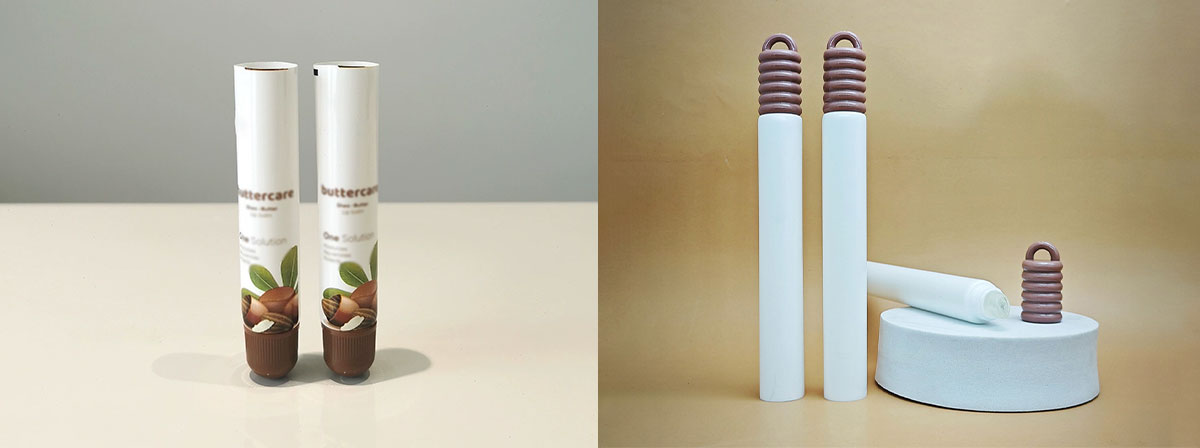
The most effective way to achieve a perfect and nearly invisible seam in lami tubes starts with precise edge alignment and thorough surface preparation. Operators set the lami tube making machine to optimal parameters, which ensures consistent results. Advanced technologies like Perfectiseam and the use of high-quality adhesives play a vital role in reducing visible marks. Each step requires careful attention to detail for the best outcome.
Key Takeaways
- Choose the right material for lami tubes. Aluminium and plastic laminates each offer unique benefits that affect seam quality.
- Ensure precise edge alignment before sealing. This step reduces visible marks and strengthens the seam.
- Calibrate the laminated tube making machine accurately. Adjust temperature, pressure, and speed for consistent seam quality.
- Use high-quality adhesives and advanced technologies. These improve seam invisibility and overall durability.
- Implement regular quality control checks. Inspect seams throughout production to catch defects early and maintain high standards.
Lami Tubes: Key Factors
Material Choice
Selecting the right material plays a crucial role in achieving a nearly invisible seam in lami tubes. Manufacturers often choose between aluminium barrier laminate and plastic barrier laminate. Each material offers unique properties that affect seam quality and appearance.
| Material Type | Properties | Impact on Seam Invisibility |
|---|---|---|
| Aluminium Barrier Laminate | Provides excellent barrier properties and aesthetic qualities. | Advanced sealing technology enhances invisibility. |
| Plastic Barrier Laminate | Offers flexibility and can be printed on easily. | Seam sealing technology allows for seamless appearance. |
The choice of material influences how the lami tube making machine operates during the sealing process. Operators must consider the compatibility of adhesives and the behavior of each laminated tube under heat and pressure. Proper surface preparation and edge alignment before sealing help maximize seam invisibility.
Tube Design
Tube design directly impacts the likelihood of achieving a seamless appearance in lami tubes. Manufacturers use several design strategies to enhance visual appeal and minimize visible seams:
- The construction of laminated tubes enables high-resolution, seamless decoration across the entire surface, enhancing visual appeal.
- Different types of tubes, such as extruded and laminate tubes, provide various aesthetic benefits that contribute to a seamless appearance.
- Laminate tubes consist of multiple layers that can be printed before or after forming, allowing for extensive decoration possibilities.
A well-designed tube allows for better alignment during the sealing process. This reduces the risk of visible marks along the seam and supports the overall quality of the finished product.
Machine Calibration
Precise calibration of the lami tube making machine ensures consistent seam quality. Operators adjust temperature, pressure, and speed settings based on the selected material and tube design. Accurate calibration helps maintain proper edge alignment and surface preparation, both of which are essential for creating a nearly invisible seam. Regular maintenance and monitoring of the machine prevent defects and support high production standards for lami tubes.
Seam Formation
Preparation Steps
Forming a high-quality seam in lami tubes begins with careful preparation. Operators follow a series of steps to ensure the best results. The process uses both the lami tube making machine and manual inspection to maintain standards. The table below outlines the main preparation steps:
| Step | Description |
|---|---|
| Adhesive Application | Apply an adhesive layer to bond the different layers together, ensuring structural integrity. |
| Curing and Lamination | Cure the adhesive through controlled heating and cooling to create a strong laminated structure. |
| Tube Formation | Cut and shape the laminated material into individual tube bodies using cutting and molding machines. |
| Shoulder Formation | Form the shoulder of the tube by folding and sealing the laminated material for reinforcement. |
| Quality Control and Inspection | Conduct quality checks throughout the manufacturing process to ensure standards are met. |
Operators use the lami tube making machine to apply adhesives evenly. This step is critical for holding layers together and preventing weak points. Curing and lamination follow, which strengthen the bond and prepare the material for further processing. After forming the tube and shoulder, technicians inspect each piece for defects. Quality control at this stage helps prevent visible seam marks later.
Edge Alignment
Precise edge alignment is essential for a nearly invisible seam. The lami tube making machine positions the edges of the laminated tube so they meet perfectly. Operators adjust the machine to ensure the seam allowance is consistent along the entire length. This step reduces the risk of misalignment, which can cause visible marks or weak spots.
Tip: Consistent edge alignment improves seam strength and appearance. Operators should check alignment before welding or stitching.
During this stage, pressing the edges together helps create a smooth surface. Proper alignment also makes the next steps, such as welding and stitching, more effective. Technicians often use visual guides and sensors to monitor the process and make real-time adjustments.
Welding Technique
The welding technique determines the final quality and invisibility of the seam. Several proven methods exist for joining the edges of lami tubes:
- Hot air welding works well for irregular seam paths and allows for precise heat control.
- Hot wedge welding uses a heated wedge for continuous heating, providing speed and consistency in straight-line seams.
- High frequency welding generates heat within the material, enabling precise and fast fusion.
- Impulse welding delivers controlled heat during the welding cycle, making it suitable for temperature-sensitive applications.
The overlap welding method creates an invisible longitudinal seam by overlapping and welding the edges of the laminated tube. This technique produces a smooth outer surface without visible marks. Operators select the appropriate welding technique based on the tube design and material.
After welding, technicians often use stitching to reinforce the seam. Stitching can involve mechanical or ultrasonic methods, depending on the application. Proper stitching ensures the seam remains strong and durable. Operators may repeat stitching in critical areas to prevent separation.
Cooling follows welding and stitching. The lami tube making machine controls the cooling rate to avoid warping or distortion. This step locks the seam in place and maintains the tube’s shape.
Note: High-quality adhesives and precise application during welding and stitching are essential for achieving a near-invisible seam.
The entire process, from preparation to final inspection, relies on careful control and attention to detail. Each step, including pressing, holding layers together, and maintaining seam allowance, contributes to the overall quality of lami tubes.
Seam Technique
Pressure Control
Pressure control plays a vital role in achieving a nearly invisible seam. The lami tube making machine applies consistent pressure during the welding process. This pressure ensures the adhesive spreads evenly and the seam allowance remains uniform. Operators monitor the pressure to prevent over-compression, which can cause visible marks or weaken the seam.
Proper pressing and holding layers together during welding help maintain seam strength. When the machine applies the right amount of force, the seam forms a smooth bond without gaps. Technicians often adjust roller pressure based on the thickness of the laminated tube. They use sensors to detect any deviation and make real-time corrections.
Tip: Consistent pressure during pressing and stitching reduces the risk of seam defects and improves the overall appearance.
Stitching also benefits from precise pressure control. If the pressure is too low, the stitch may not hold the layers together securely. If it is too high, the seam may show marks or even damage the tube. Operators must balance these factors to achieve both strength and invisibility.
Temperature Settings

Temperature settings directly affect the quality of the seam in lami tubes. The lami tube making machine uses controlled heat to activate adhesives and fuse the edges of the laminated tube. Each welding technique requires a specific temperature range to minimize seam visibility and ensure a strong bond.
The table below shows the optimal temperature ranges for common welding processes:
| Welding Process | Temperature Range (°C) | Temperature Range (°F) |
|---|---|---|
| Electric Resistance Welding (ERW) | 1100 – 1300 | 2012 – 2372 |
| Submerged Arc Welding (SAW) | 1200 – 1600 | 2192 – 2912 |
| High-Frequency Induction Welding | 1400 – 1600 | 2552 – 2912 |
| MIG Welding | 1500 – 1600 | 2732 – 2912 |
| TIG Welding | 1400 – 1600 | 2552 – 2912 |
Operators select the welding technique and set the temperature according to the material and thickness of the laminated tube. Too much heat can cause the seam to warp or create visible marks. Too little heat may result in weak stitching or incomplete fusion.
Note: Always monitor the temperature closely during both welding and stitching. This practice helps maintain seam strength and reduces the chance of visible marks.
Stitching at the correct temperature ensures the adhesive activates fully. It also prevents the layers from separating over time. Technicians often use thermal sensors to track the temperature and make adjustments as needed.
Advanced Technologies
Advanced technologies have transformed seam technique in lami tube production. These innovations help create seams that are nearly invisible and highly durable. The lami tube making machine now incorporates features that improve seam allowance control, pressing accuracy, and stitching consistency.
Some leading technologies include:
- NEOSeam Technology: This system produces laminate tubes with a seamless 360° design. The seam becomes visually indistinguishable from extruded tubes. NEOSeam also ensures a stable tube body and high-quality side seam.
- Perfectiseam: This technology uses advanced sensors and automated adjustments to optimize seam formation. It minimizes seam marks and maximizes seam strength.
- High-precision Stitching Systems: These systems use ultrasonic or mechanical stitching to reinforce the seam. They ensure that stitching remains consistent and invisible.
Technicians use these technologies to control every aspect of seam formation. Automated systems monitor seam allowance, pressing, and holding layers together. They also adjust stitching parameters in real time. This level of control leads to superior seam quality and minimal visible marks.
Industry experts recommend specific techniques for minimizing seam marks while ensuring strength. The table below compares two common joint types:
| Joint Type | Description | Effect on Seam Marks | Effect on Seam Strength |
|---|---|---|---|
| Overlap Joint | One end overlaps the other, formed through induction and roller pressure. | Visible white line | Moderate |
| Butt Joint | Ends placed parallel, melted together with a filler for a clean bond. | No visible line | High |
Tip: For the best results, use butt joints with precise stitching. This approach eliminates visible lines and provides maximum seam strength.
Technicians also focus on seam allowance and pressing during the final stages. They ensure that stitching holds the layers together without causing distortion. Regular inspection and adjustment of the lami tube making machine help maintain high standards in seam technique.
Sewing and Inspection
Seam Sewing
Operators focus on precise sewing to achieve a strong and nearly invisible seam in lami tubes. They select a universal needle size 12 or 14 for proper stitching. The sewing machine often uses a Zig Zag Foot with a non-stick sole, which prevents sticking on shiny laminated surfaces. Technicians choose a longer stitch length, usually 3.0 or 3.5, to reduce permanent holes and improve seam strength. Instead of pins, they use Craft Clips to avoid creating holes in the laminated material. Wonder Tape helps secure edges without the need for pins or ironing. These best practices help maintain seam quality and durability:
- Use a universal needle size 12 or 14 for accurate stitching.
- Employ a Zig Zag Foot with a non-stick sole to prevent sticking.
- Opt for a longer stitch length of 3.0 or 3.5 for stronger seams.
- Utilize Craft Clips instead of pins to avoid permanent holes.
- Consider Wonder Tape for holding edges in place during sewing.
Technicians monitor the sewing process closely. They adjust the sewing machine settings to match the material and tube thickness. Consistent stitching ensures the seam remains both strong and nearly invisible.
Quality Control
Quality control plays a key role in detecting seam defects during lami tube production. Operators use several non-destructive testing methods to inspect seams and stitching. The table below outlines common inspection techniques:
| Method | Description |
|---|---|
| Ultrasonic Testing | Uses point probes to detect longitudinal defects in seamless tubes, though detection speed is slower. |
| Eddy Current Testing | Employs a focal probe to identify defects, replacing hydrostatic pipeline tests. |
| Magnetic Particle Inspection | Creates a magnetic field to reveal surface defects with magnetic powder, effective for non-destructive testing. |
Technicians select the appropriate method based on the tube material and production requirements. These inspections help identify weak seams, misalignment, or visible marks before the tubes move to the next stage.
Defect Correction
When technicians find defects, they take immediate corrective actions. For misaligned seams, they realign the edges and repeat the stitching process. Weak seams require reinforcement with additional stitching or adhesive. If visible marks appear, operators may adjust the sewing machine settings or replace worn needles. They also check the stitch length and pressure to prevent further issues.
Tip: Regular inspection and prompt correction help maintain high-quality lami tubes and reduce waste.
Operators document all corrections and monitor the results. This approach ensures continuous improvement in seam sewing and overall tube quality.
Practical Project Tutorials
Seam Perfection Steps
Operators follow a series of steps to achieve a flawless seam in lami tubes. They begin each project by preparing the materials and calibrating the sewing machine. Technicians organize document versioning to keep instructions current. They tag and label raw materials for easy tracking. Employees suggest process improvements using an Opportunity for Improvement form. Operators meet customer-specific requirements by checking specifications before starting production.
Quality control checks occur at multiple stages. Technicians inspect the seam after each stitch. They use Craft Clips to hold edges in place and Wonder Tape to secure them before sewing. The sewing machine settings match the tube thickness and material. Operators select the correct needle size and stitch length. They monitor the process to ensure the seam remains strong and nearly invisible.
Tip: Continuous improvement and precise tracking help maintain high standards in every practical project tutorial.
Troubleshooting Guide
Technicians address common issues during lami tube production by following a troubleshooting guide. They check the positioning of seams and adjust them if too tight. Oil levels in the machinery receive regular inspection. Bubbles in the oil stream can affect efficiency, so operators remove them promptly. Alignment and setup of the sewing machine are crucial. Leaks in plumbing connections and incorrect pressure may cause contamination or leakage.
Operators use the following checklist for troubleshooting:
- Verify seam alignment and adjust as needed.
- Inspect oil reservoir and remove bubbles.
- Check for leaks in plumbing connections.
- Monitor pressure to prevent contamination.
- Reinforce weak seams with additional stitching.
Technicians document each correction and review results for future practical project tutorials. They ensure every seam meets quality standards and that each stitch holds securely.
Conclusion

Achieving a perfect and nearly invisible seam in lami tubes requires careful preparation and attention to detail. Operators should follow these steps:
- Iron the edges for a crisp finish.
- Select a matching thread and suitable needle.
- Align and secure the fabric with clips or pins.
- Use small, even stitches, alternating between folds to keep them hidden.
Consistent technique and regular quality checks help maintain high standards. Continuous improvement ensures reliable results in every project.
FAQ
What Causes Visible Seams in Lami Tubes?
Visible seams often result from poor edge alignment, incorrect machine settings, or low-quality adhesives. Technicians should check these factors during production.
Tip: Regular machine calibration and quality checks help reduce visible seams.
How Can Operators Fix Weak Seams?
Operators can reinforce weak seams by adding extra stitching or applying more adhesive. They should inspect the seam for gaps or misalignment.
- Use additional stitching
- Apply high-quality adhesive
- Recheck alignment
Which Adhesive Works Best for Seam Invisibility?
High-quality, fast-curing adhesives designed for laminate materials work best. These adhesives bond layers tightly and prevent seam marks.
| Adhesive Type | Benefit |
|---|---|
| Fast-curing epoxy | Strong, invisible |
| Polyurethane glue | Flexible, durable |
Why Is Temperature Control Important During Seam Formation?
Temperature control ensures adhesives activate properly and materials fuse without damage. Incorrect temperatures can cause warping or weak seams.
Note: Operators should monitor temperature closely for best results.
What Are the Most Common Seam Defects?
Common defects include misalignment, visible marks, and weak bonding. Technicians often spot these issues during inspection.
- Misaligned edges
- Visible seam lines
- Weak or open seams