



Lami tube manufacturing relies on technology to improve packaging efficiency and reduce environmental waste. Manufacturers use advanced materials such as monomaterial polypropylene, which offers 98% recyclability and thinner laminate walls. The table below shows how these innovations enhance sustainability and lower raw material use in laminated tube production:
| Feature | Description |
|---|---|
| Material | Monomaterial Polypropylene (PP) |
| Recyclability | 98% recyclability, suitable for PP recycling streams |
| Environmental Impact | Thinner laminate walls reduce raw material usage |
Lami tube making machine, ai, and automation drive efficiency and sustainability performance in packaging and tube manufacturing. The impact of ai and automation also improves environmental outcomes for laminated tube production.
Key Takeaways
- Using monomaterial polypropylene in lami tubes reduces raw material waste and enhances recyclability.
- Automation in lami tube manufacturing improves precision, lowers scrap rates, and boosts production efficiency.
- Investing in energy-efficient machines can cut costs and support sustainability goals in tube production.
- Implementing digital waste tracking helps manufacturers identify inefficiencies and reduce raw material usage.
- Training staff on new technologies fosters a culture of continuous improvement and enhances sustainability efforts.
Material Innovations in Lami Tube Manufacturing
Polypropylene and Thin Laminate Walls
Polypropylene has transformed the production of lami tubes by enabling thinner laminate walls. This innovation reduces the amount of raw material needed for each tube. Manufacturers can achieve the same strength and barrier properties with less material. The use of polypropylene in laminated tube production supports both cost savings and environmental goals.
- Polypropylene allows for thinner laminate walls, which leads to a decrease in raw material usage while maintaining the necessary properties of the lami tube.
- Polymer barrier laminates (PBL) made from a single material class, such as polypropylene, are easier to recycle and meet strict packaging requirements.
- Transitioning to PBL can enhance recyclability and reduce energy consumption during production.
Lamitubes made with polypropylene also simplify the recycling process. Unlike traditional aluminum-plastic composites, which require complex separation, mono-material tubes can enter existing recycling streams with minimal processing. This change supports a circular economy and reduces the environmental impact of packaging waste.
Tip: Manufacturers who use polypropylene in their laminated tube designs can lower costs and improve sustainability without sacrificing quality.
Lami tube making machine now supports advanced raw material blending and precise control over laminate thickness. This technology ensures consistent quality and maximizes the benefits of thin-wall lamitubes.
Mono-Material Aluminum Barrier Tubes
Mono-material aluminum barrier tubes represent another major step forward in reducing waste in laminated tube manufacturing. Traditional laminated tubes often combine aluminum with plastics, creating recycling challenges. The separation of these materials is costly and energy-intensive.
Mono-material tubes, such as those made entirely from aluminum or high-density polyethylene (HDPE), address this issue. These tubes meet mechanical recycling standards and allow for easier processing in recycling facilities. Brands that focus on sustainability often choose mono-material options or laminated tubes with recycled aluminum to minimize environmental impact.
- Laminated tubes with aluminum-plastic composites face significant recycling challenges due to the difficulty of separating materials.
- Mono-material tubes, such as those made from HDPE, simplify the recycling process and meet mechanical recycling standards.
- Brands aiming for sustainability should prioritize mono-material options or laminated tubes with recycled aluminum to minimize environmental impact.
Lami tube making machine plays a key role in producing these advanced laminated tube designs. Modern machines can handle a wide range of materials and support the shift toward mono-material construction. This flexibility helps manufacturers respond to changing packaging regulations and consumer demand for sustainable lamitubes.
The adoption of mono-material aluminum barrier tubes not only reduces raw material waste but also supports a more efficient and sustainable packaging industry. By choosing the right materials and leveraging advanced manufacturing technology, companies can create lami tubes that meet both performance and environmental standards.
Process Optimization for Packaging Efficiency
Automated Dosing and Cutting
Automation has become a cornerstone in modern lami tube manufacturing. Manufacturers rely on automated dosing systems to deliver precise amounts of raw materials for each laminated tube. This accuracy reduces overuse and minimizes scrap rates. Automated cutting technologies, such as fiber laser systems, enhance precision and eliminate the need for pre and post-cutting processes. These improvements lead to higher quality tubes and less waste.
Lami tube making machine equipped with advanced automation features streamline loading and unloading operations. This integration reduces manual errors and increases production efficiency. AI-driven controls monitor each step, adjusting parameters in real time to maintain consistent quality. Automation also supports workflow optimization by identifying bottlenecks and standardizing tasks.
- Automated cutting technologies improve precision and reduce waste.
- Automation in loading and unloading tubes minimizes scrap rates.
- Fiber laser technology eliminates extra cutting steps, resulting in higher quality and less waste.
- AI and automation work together to optimize production and maintain quality.
Manufacturers use lean manufacturing principles to further enhance efficiency. Value stream mapping and just-in-time production help eliminate unnecessary steps and reduce raw material consumption. Real-time data collection provides insights into production challenges, allowing for better scheduling and resource allocation.
Tip: Investing in lami tube making machine with integrated automation and AI capabilities can significantly reduce material waste and improve overall production efficiency.
Energy-Efficient Production
Energy-efficient production methods play a vital role in reducing costs and environmental impact. Lami tube making machine now features low-energy systems, including servo drives and motors that optimize energy use. Thermal management systems minimize heat loss, ensuring that energy is used effectively during production.
| Feature | Description |
|---|---|
| Low-energy production system | Incorporates energy-efficient servo drives and motors to optimize energy use. |
| Thermal management optimization | Reduces energy waste and minimizes heat loss during production. |
| Energy Saving Mode | Maintains minimum heat in the oven when inactive, leading to a 30% reduction in energy use. |
Manufacturers also adopt circular economy models to address material reuse and waste reduction. The European Union’s strategy aims for all plastic packaging to be reusable or recyclable by 2030. This approach encourages companies to rethink the lifecycle of laminated tube packaging. Multilayer packaging presents recycling challenges due to its complex composition, but process optimization can help overcome these barriers.
- Circular economy models promote material reuse and waste reduction.
- The EU targets 100% reusable or recyclable plastic packaging by 2030.
- Multilayer packaging complicates recycling, requiring innovative solutions.
Additive manufacturing techniques, such as selective laser melting (SLM), further reduce material waste. SLM’s global warming potential and waste generation impacts are significantly lower than traditional methods. Efficient material usage leads to economic benefits, especially when working with high-cost raw materials.
| Evidence Type | Description |
|---|---|
| Material Waste Reduction | SLM’s GWP and waste generation impacts are approximately 33% and 96% lower than those of SM, respectively. |
| Cost Structure | Machining costs account for 41.1% of total production costs, indicating that optimization can enhance cost efficiency by reducing these expenses. |
Manufacturers who implement energy-efficient production and circular economy strategies achieve lower costs and improved sustainability. Lami tube making machine designed for energy savings and automation help companies meet regulatory requirements and consumer expectations for eco-friendly packaging.
Note: Upgrading to energy-efficient lami tube making machines and adopting circular economy principles can transform laminated tube production, making it more sustainable and cost-effective.
Recycling and Reuse in Medical Laminated Tube Packaging
Microwave Induced Pyrolysis
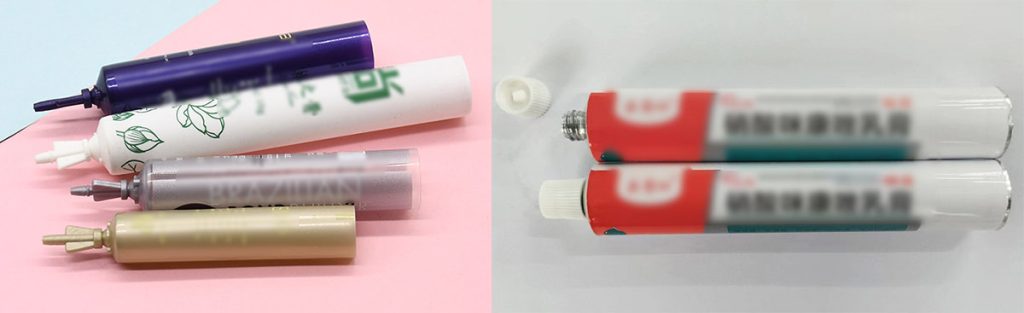
Microwave induced pyrolysis has emerged as a promising solution for recycling medical laminated tube packaging. This process uses microwave energy to separate aluminum flakes and hydrocarbon gases from laminated packaging materials. The method operates at approximately 600° C and completes separation in under two minutes. Commercial-scale plants can recycle up to 2,000 tonnes of packaging each year. The process generates no toxic emissions and offers economic viability, with facilities expected to pay for themselves within three years.
| Aspect | Details |
|---|---|
| Process | Separates aluminum flakes and hydrocarbon gases efficiently |
| Temperature | Operates at 600° C (1,112° F) |
| Time | Completes separation in two minutes |
| Commercial Application | Recycles up to 2,000 tonnes of packaging annually |
| Environmental Impact | No toxic emissions; economically viable |
| Financial Viability | Plant pays for itself within three years |
Microwave-induced pyrolysis reduces energy consumption and CO2 emissions compared to conventional methods. The process converts plastic waste into valuable chemicals, supporting a circular economy. Current recycling technologies often fail to address plastic pollution, but microwave-assisted methods achieve high yields of useful chemicals and offer scalable solutions for recycling medical laminated tube packaging.
Note: Lami tube making machine can integrate microwave pyrolysis systems to enhance recycling efficiency and reduce waste in laminated tube production.
Waste Oil to Polyethylene Resin
Transforming waste oil into polyethylene resin provides another innovative approach for recycling medical laminated tube packaging. Polyethylene resin produced from waste oil matches the quality of resin made from crude oil. Laminates created from these resins meet regulatory requirements, including food compliance standards. Development of tube laminates using recycled polyethylene resin is already underway.
Medical laminated tube packaging benefits from these recycling strategies:
- Designing for recyclability ensures packaging can enter recycling streams easily.
- Comprehensive recycling systems use both mechanical and advanced methods to repurpose materials.
- Sustainability in healthcare encourages companies to adopt recyclable packaging.
- Reduce, reuse, recycle principles minimize unnecessary packaging and promote reusable containers.
- Strategic branding choices and switching to recyclable materials help lessen landfill impact.
Life Cycle Assessment studies show that recycling strategies for medical laminated tube packaging offer significant environmental benefits. Hospitals in the U.S. produce about 14,000 tons of waste daily, highlighting the need for efficient packaging design and optimized material selection. Advanced recycling technologies, such as chemical recycling, convert hard-to-recycle plastics into recycled polymers, supporting a circular economy.
Tip: Manufacturers who invest in lami tube making machine designed for recycling and reuse can reduce waste and improve sustainability in medical laminated tube packaging.
Digitalization and Smart Packaging in Lami tubes
Waste Tracking and Analytics
Manufacturers use digital waste tracking systems to monitor raw material usage in lami tubes production. These systems rely on ai and automation to collect real-time data, which helps identify inefficiencies in the packaging process. Lami tube making machine operators benefit from automation because it reduces manual errors and improves accuracy. Real-time tracking provides comprehensive visibility into waste streams, allowing teams to make informed decisions that reduce raw material waste in laminated tube production.
| Evidence Description | Explanation |
|---|---|
| Automation reduces manual errors | By automating the tracking process, manufacturers can minimize transcription errors that occur during manual data entry, leading to more accurate waste tracking. |
| Real-time tracking identifies inefficiencies | The ability to monitor waste streams in real-time helps manufacturers quickly spot inefficiencies in their production processes, allowing for timely interventions. |
| Comprehensive visibility into waste streams | These systems provide a holistic view of waste generation, enabling manufacturers to make informed decisions to reduce raw material waste. |
Tracking fill-levels and contamination in real-time leads to operational savings. Ai analytics reveal trends in laminated tube waste, supporting sustainability goals and ESG reporting. Manufacturers use these insights to optimize packaging solutions and improve the efficiency of packaging designs.
Smart Packaging Technologies
Smart packaging technologies play a key role in advancing sustainability for lami tubes. Brands use QR codes and NFC tags to enhance consumer engagement and product authentication. These features support sustainable packaging options by promoting recyclable packaging materials and eco-friendly manufacturing processes in laminated tube production.
- QR codes and NFC tags provide interactive features for users.
- Smart packaging technologies encourage the use of post-consumer recycled plastics in lamitubes.
- Digital printing advancements allow for customization and personalization, reducing waste from smaller production runs.
- Intelligent packaging solutions align with environmental goals and improve the overall sustainability of packaging solutions.
Lami tube making machine manufacturers integrate smart packaging technologies to meet the growing demand for sustainable packaging options. The trend toward digitalization in laminated tube production supports efficient packaging designs and reduces waste. Ai and automation continue to drive improvements in the packaging process, helping companies achieve sustainability targets.
Implementation Strategies
Integrating Technologies with Lami Tube Making Machine
Manufacturers improve efficiency by integrating advanced technologies with lami tube making machine. They select equipment that supports automation, digital monitoring, and precise control over raw materials. These machines help reduce waste in lami tubes production. Operators use sensors and AI-driven systems to track material flow and optimize the use of each laminated tube. Companies upgrade their machines to handle new materials, such as mono-material laminates, which simplify recycling and lower costs.
A successful integration strategy includes:
- Evaluating current lami tube making machine capabilities.
- Identifying gaps in automation and digitalization.
- Upgrading machines to support thin-wall lamitubes and mono-material laminated tube designs.
- Implementing real-time waste tracking software.
Tip: Teams should collaborate with machine suppliers to ensure compatibility with new packaging materials and recycling processes.
A table below shows key integration steps:
| Step | Description |
|---|---|
| Assessment | Review existing lami tube making machine features |
| Upgrade | Add automation and digital controls |
| Training | Teach staff to use new systems |
| Monitoring | Track lamitubes waste and optimize production |
Staff Training and Change Management
Staff training plays a vital role in the adoption of new technologies for lami tubes manufacturing. Employees learn to operate upgraded lami tube making machine and manage digital system for waste reduction. Training programs focus on the handling of advanced laminated tube materials and the use of smart packaging solutions. Managers encourage a culture of continuous improvement, where staff identify opportunities to reduce raw material waste.
Change management strategies include:
- Communicating the benefits of new laminated tube technologies.
- Providing hands-on training for lami tube making machine operation.
- Setting clear goals for lamitubes waste reduction.
- Recognizing staff achievements in sustainable packaging practices.
Note: Companies that invest in staff development see faster adoption of lamitubes innovations and improved packaging sustainability.
Managers monitor progress and adjust training as needed. They use feedback from staff to refine processes and maximize the impact of new laminated tube technologies. This approach ensures that lamitubes production remains efficient and sustainable.
Conclusion
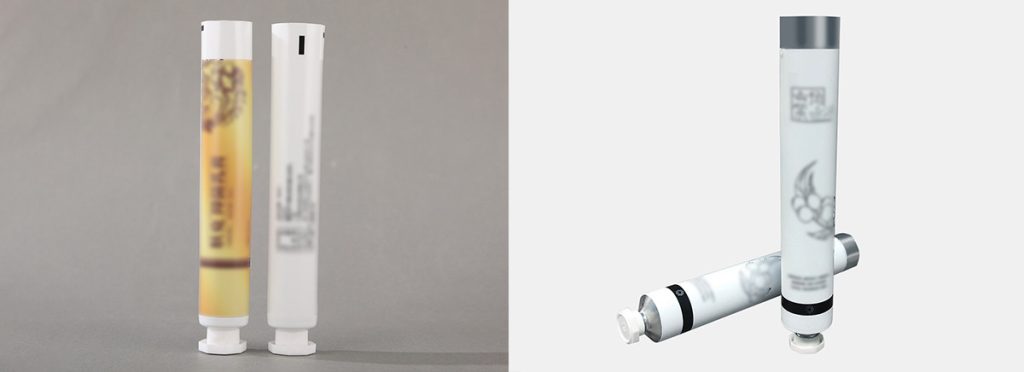
Technological advances in lami tube making machine have transformed tube manufacturing. Material innovations, such as mono-material laminated tube designs, help reduce raw material waste in tube production. Recycling strategies and process optimization improve packaging efficiency. Digitalization supports real-time waste tracking and smarter packaging solutions. Manufacturers who upgrade equipment and train staff can achieve cost savings, meet sustainability goals, and create better tube packaging for the future.
- Recycling and digitalization drive sustainable packaging.
- Upgraded lami tube making machines support efficient tube production.
FAQ
What Are the Main Benefits of Using a Lami Tube Making Machine?
A lami tube making machine increases higher output efficiency and reduces raw material waste. It also supports the production of laminated tubes with consistent quality. Manufacturers can meet the demands of the growing laminated tubes market with advanced automation.
How Do Visual Inspection Systems Improve Quality Control?
Visual inspection systems detect defects in laminated tube production. These systems use cameras and sensors to check for flaws. They help manufacturers maintain high standards and reduce waste, which is important in the multilayer lamitubes market.
Why Is Recycling Important in the Laminated Tubes Market?
Recycling reduces environmental impact and supports a circular economy. The laminated tubes market benefits from recycling because it lowers costs and conserves resources. Manufacturers use recycled materials to create new laminated tubes, which helps meet sustainability goals.
What Role Does Automation Play in Achieving Higher Output Efficiency?
Automation streamlines the production process. It allows lami tube making machine to operate faster and with fewer errors. This leads to higher output efficiency and consistent quality in laminated tube manufacturing.
How Does the Multilayer Lamitubes Market Influence Packaging Innovation?
The multilayer lamitubes market drives innovation by demanding better barrier properties and recyclability. Manufacturers develop new materials and processes to meet these needs. This leads to improved laminated tube designs and more sustainable packaging solutions.