


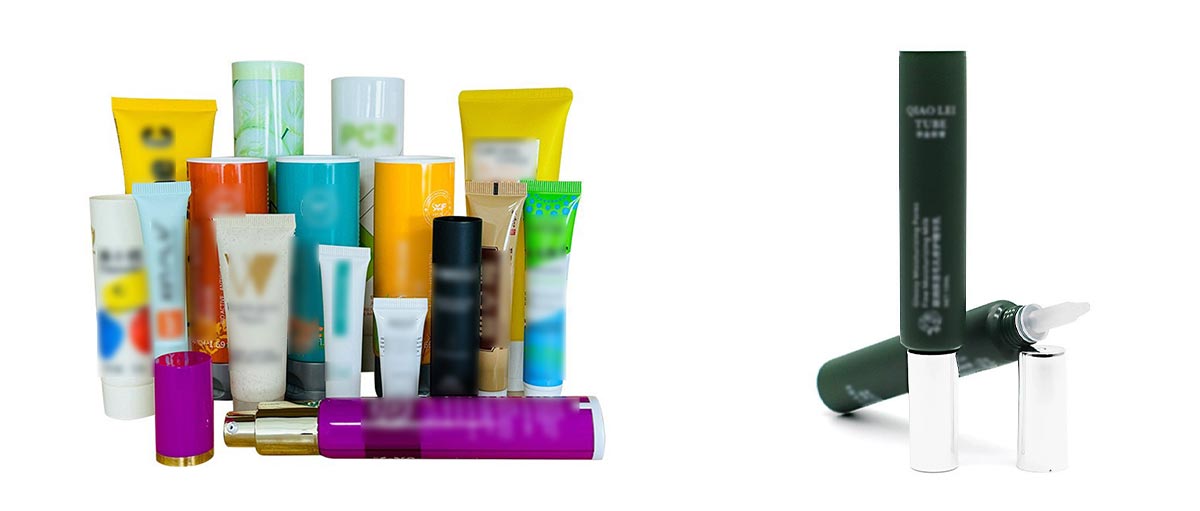
Barrier property testing, especially for water vapor transmission rate (WVTR) and oxygen transmission rate (OTR), plays a critical role in the validation of any lami tube making machine. Accurate measurement of these properties helps manufacturers ensure that each laminated tube meets strict packaging quality standards. Strong barrier performance protects products from moisture and oxygen, supports regulatory compliance, and guides the selection of suitable materials for different applications.
Key Takeaways
- Barrier property testing is essential for ensuring the quality and safety of laminated tubes. It helps protect products from moisture and oxygen.
- Regular testing of water vapor transmission rate (WVTR) and oxygen transmission rate (OTR) is crucial. This ensures that each batch meets industry standards.
- Using multiple layers in laminated tubes enhances barrier performance. This structure helps maintain product freshness and extends shelf life.
- Automation in testing processes improves accuracy and efficiency. It reduces human error and ensures consistent quality in production.
- Staying informed about regulatory requirements is vital. Manufacturers must adapt their processes to comply with changing standards for packaging safety.
Barrier Properties in Packaging
WVTR and OTR Overview
Barrier properties define how well a packaging material protects its contents from external factors. Laminated tube manufacturers evaluate several barrier characteristics to ensure product safety and longevity. The most common barrier properties include gas, moisture, light, and microbial protection. The table below summarizes these properties:
| Barrier Property | Description |
|---|---|
| Gas Barrier | Controls gas permeation, especially oxygen, crucial for preserving freshness and extending shelf life. |
| Moisture Barrier | Prevents moisture ingress, essential for preventing spoilage and ensuring longevity in products. |
| Light Barrier | Protects against degradation from light exposure, preserving stability and quality of contents. |
| Microbial Barrier | Essential for sterility and preventing microbial contamination, particularly in pharmaceuticals and food items. |
Water vapor transmission rate (wvtr) and oxygen transmission rate (otr) are the two most critical parameters for laminated tube packaging. WVTR measures the amount of water vapor that passes through a film over a given area and time. OTR measures the amount of oxygen that permeates through a film. The table below shows standard definitions and measurement units for these parameters:
| Parameter | Definition | Measurement Units |
|---|---|---|
| OTR | The rate at which oxygen permeates through a packaging material | cm³/m²/day |
| WVTR | The rate at which water vapor permeates through a packaging material | g/m²/24 hr |
Importance for Lami Tube Making Machine
Laminated tube packaging relies on strong barrier properties to protect sensitive products. WVTR plays a vital role in preventing moisture ingress, which can cause spoilage or clumping. OTR helps maintain product freshness by resisting oxidation. Manufacturers select films with low wvtr values to ensure packaging quality and extend shelf life. Laminated tubes often use multiple layers, such as plastic, aluminum, and EVOH, to achieve optimal barrier performance.
Tip: Lower wvtr values indicate better moisture resistance, which is essential for pharmaceuticals and cosmetics.
Packaging that fails to meet wvtr requirements can lead to hydrolytic degradation of moisture-sensitive ingredients, loss of efficacy, and formation of toxic byproducts. High otr values may cause oxidative degradation, discoloration, and reduced potency. Laminated tube making machine must consistently produce tubes with reliable barrier properties to maintain product integrity and comply with industry standards.
- Laminated tubes provide excellent protection against oxygen, moisture, and light.
- These barrier properties help preserve the efficacy of skincare formulations throughout their shelf life.
- Maintaining barrier integrity is a challenge, especially when balancing sustainability and performance.
WVTR/OTR Testing Steps
Sample Preparation and Conditions
Sample preparation forms the foundation of accurate water vapor transmission rate testing in laminated tube manufacturing. Technicians follow a series of steps to ensure reliable results.
- They cut the film sample to a precise size, making sure the edges are clean and free from dust.
- The film is placed in a test cell, and the seal must be tight to prevent leaks.
- The test cell is then exposed to controlled temperature and humidity.
- Technicians monitor the weight change of the test cell at regular intervals.
- They calculate the wvtr using the standard formula.
Environmental conditions play a crucial role in wvtr and oxygen transmission rate testing. Variations in temperature and humidity can change the outcome of the test. Technicians must select test parameters that match the anticipated storage conditions of the packaging. This approach ensures that the wvtr results reflect real-world performance for laminated tube products.
Note: Consistent sample preparation and environmental control help manufacturers achieve repeatable wvtr values for every laminated tube batch.
Equipment and Standards
Manufacturers rely on specialized equipment to measure wvtr and otr in packaging materials. The table below summarizes the most common instruments used in the industry:
| Equipment Type | Description |
|---|---|
| Film Permeability Tester | Used for measuring GTR, otr, and wvtr in various packaging materials. |
| Water Vapor Transmission Rate Tester | Designed for accurate wvtr and MVTR testing, essential for evaluating barrier properties. |
| OTR & MVTR Specifications | Provides specifications for barrier food packaging, highlighting the importance of otr testing. |
Testing protocols must follow recognized standards to ensure consistency and reliability. The table below lists key standards for wvtr and oxygen transmission rate testing in laminated tube manufacturing:
| Standard | Description |
|---|---|
| ASTM E96 | Standard methods for water vapor transmission of materials, using an impermeable test dish and adjustable test chamber for temperature and humidity. |
| ASTM D 3985 | Standardized protocol for measuring the oxygen transmission rate using a steady-state and isostatic method. |
| ASTM F 1307 | Another standardized protocol for otr measurements applicable to various types of packaging. |
Manufacturers who use these standards and equipment can validate the barrier properties of laminated tube packaging. Accurate wvtr testing helps them meet industry requirements and deliver high-quality products.
Interpreting Barrier Test Results
Acceptance Criteria in Packaging
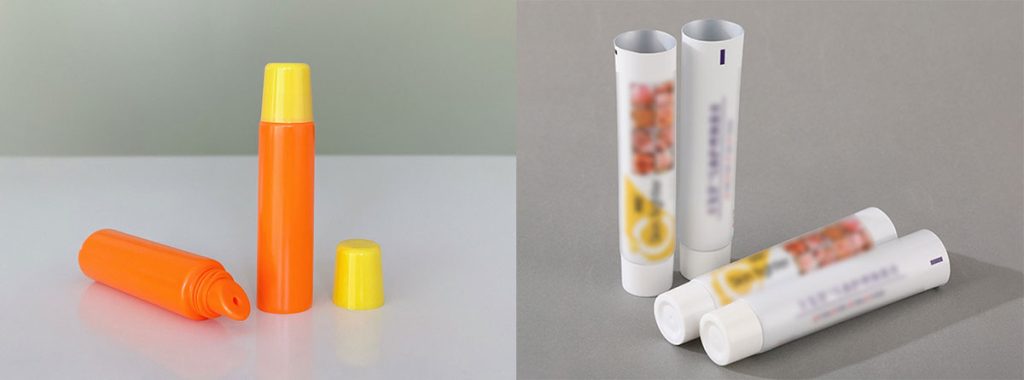
Manufacturers use specific acceptance criteria to evaluate barrier properties in laminated tube packaging. They conduct tests to determine accurate water vapor transmission rate and otr values. Several factors influence these results, including material thickness, temperature, humidity, and sealing conditions.
- Technicians measure barrier performance under controlled laboratory settings.
- They compare results against established benchmarks for each packaging application.
- Consistent values indicate reliable protection for sensitive products.
A laminated tube must meet strict standards to ensure product safety. Packaging that fails to achieve the required barrier levels can compromise shelf life and product integrity. Companies monitor test results for each production batch to maintain quality.
Note: Reliable barrier properties help manufacturers prevent spoilage and maintain the efficacy of pharmaceuticals and cosmetics.
Regulatory and Industry Benchmarks
Regulatory agencies set minimum requirements for laminated tube packaging to ensure consumer safety. The table below summarizes the most common benchmarks for water vapor transmission rate and otr:
| Property | Minimum Requirement |
|---|---|
| OTR | ≤ 0.1 cm³/m²/day |
| WVTR | ≤ 0.5 g/m²/day |
Global regulations for barrier property testing vary across major markets. The EU enforces more stringent requirements for microbial barrier testing than the US. Real-time aging parameters receive closer scrutiny in the EU, while the US does not typically expect such detailed validation. Both the EU and FDA recognize ISO 11607 as a standard for packaging, but each region interprets and applies additional requirements differently.
- The EU requires extra validation for microbial barrier properties.
- The US focuses on general barrier performance and shelf life.
- Asia often adopts standards from the EU or US, depending on export markets.
Manufacturers must stay informed about changing regulations to ensure compliance. They adjust laminated tube production to meet the latest industry benchmarks and maintain high-quality packaging.
Integrating Barrier Testing in Process Validation
Workflow for Lami Tube Making Machine
Barrier property testing forms a vital part of the process validation workflow for any lami tube making machine. Manufacturers must ensure that each laminated tube meets strict standards for water vapor and oxygen transmission. The workflow begins with material selection, where engineers choose films and layers that deliver high barrier performance. They then prepare samples and conduct WVTR and OTR tests using calibrated equipment.
Manufacturers document and track every step to comply with international and U.S. standards. They follow ISO 11607 for sterile barrier systems and package integrity testing. ISO 13485 requires comprehensive documentation, including design files and material qualifications. The technical file must show traceability of packaging tests to regulatory requirements. This documentation ensures that each laminated tube maintains sterility and usability throughout its shelf life.
The process validation workflow for a lami tube making machine typically includes:
- Material qualification and selection for high barrier performance.
- Sample preparation and environmental conditioning.
- WVTR and OTR testing using standardized methods.
- Documentation of test results in compliance with ISO standards.
- Traceability of each test to regulatory requirements.
- Review and approval of packaging batches before release.
Tip: Consistent documentation and traceability help manufacturers demonstrate compliance and maintain product quality.
Automation and Quality Assurance
Automation plays a key role in maintaining consistent barrier property testing in lami tube making machine. Advanced technologies monitor and control every stage of the process. High-precision extrusion lines produce multilayered laminated tube structures with reliable barrier properties. Inline sensors and imaging systems inspect each tube for defects in real time.
Real-time monitoring and inspection systems ensure that every laminated tube meets the required standards for packaging. Sensors check fill level accuracy and seal integrity, confirming that barrier properties remain intact. Automatic rejection mechanisms remove non-conforming tubes from the production line, enhancing quality control.
Manufacturers adopt best practices for ongoing monitoring and quality assurance:
- Use inline sensors to detect defects and maintain barrier integrity.
- Implement real-time inspection systems for continuous quality checks.
- Employ automatic rejection systems for tubes that fail barrier tests.
- Maintain comprehensive records of all testing and inspection activities.
- Regularly calibrate equipment to ensure accurate measurements.
| Automation Feature | Benefit |
|---|---|
| Inline Sensors | Detect defects and maintain barrier quality |
| Real-Time Inspection | Ensure consistent product standards |
| Automatic Rejection | Remove non-conforming tubes |
| Equipment Calibration | Guarantee measurement accuracy |
Note: Automation reduces human error and increases efficiency in lami tube making machine.
Manufacturers who integrate barrier property testing into their process validation workflow achieve reliable packaging quality. They meet regulatory requirements and deliver laminated tubes with high barrier performance. Ongoing monitoring and automation support continuous improvement and help maintain the integrity of every packaging batch.
Challenges in Thin-Film Encapsulation
Common Testing Issues
Thin-film encapsulation presents several challenges for manufacturers of laminated tubes. These issues can affect the barrier properties and overall quality of the packaging. Technicians often encounter the following problems:
- Poor Adhesion and Delamination: Laminated tubes sometimes show weak bonding between layers. This can cause the layers to separate, leading to device failure and reduced barrier protection. Flexible substrates are especially prone to this issue.
- Poor Film Quality and Contamination: Consistent film quality is essential for maintaining barrier properties. Contaminants such as dust or oils can disrupt the encapsulation process, resulting in compromised packaging performance.
- Equipment Inflexibility: Many production systems lack adaptability. When manufacturers need to change materials or processes, rigid equipment can slow down innovation and make it difficult to meet new requirements.
Note: Regular equipment maintenance and strict cleanliness protocols help reduce contamination and improve film quality.
Solutions for Barrier and Encapsulation Problems
Manufacturers use several strategies to overcome thin-film encapsulation challenges in laminated tube production. These solutions focus on improving barrier properties and enhancing process efficiency.
- Polymer Barrier Laminates (PBL): PBLs use materials like polyethylene (PE) or polypropylene (PP) combined with a polymer barrier such as EVOH. These alternatives to traditional aluminum laminates offer easier recycling. However, they require multiple films, which increases production costs.
- Coextruded Tube Film: This innovative solution, developed by Reifenhäuser, produces laminated tubes in a single step. The process eliminates aluminum, reduces energy consumption, and minimizes raw material use. Coextruded tube films are fully recyclable and meet all necessary packaging standards.
- Advantages Of Coextrusion: Coextrusion technology lowers the carbon footprint, reduces energy costs, and decreases material waste compared to traditional laminating methods.
| Solution | Key Benefit | Environmental Impact |
|---|---|---|
| Polymer Barrier Laminates | Easier recycling, strong barrier | Higher production cost |
| Coextruded Tube Film | Single-step, fully recyclable | Lower CO₂ footprint |
| Coextrusion Technology | Less waste, energy efficient | Reduced material usage |
Manufacturers who adopt these solutions can improve the reliability and sustainability of laminated tube packaging. Continuous innovation in thin-film encapsulation supports better barrier properties and helps meet evolving industry standards.
Conclusion
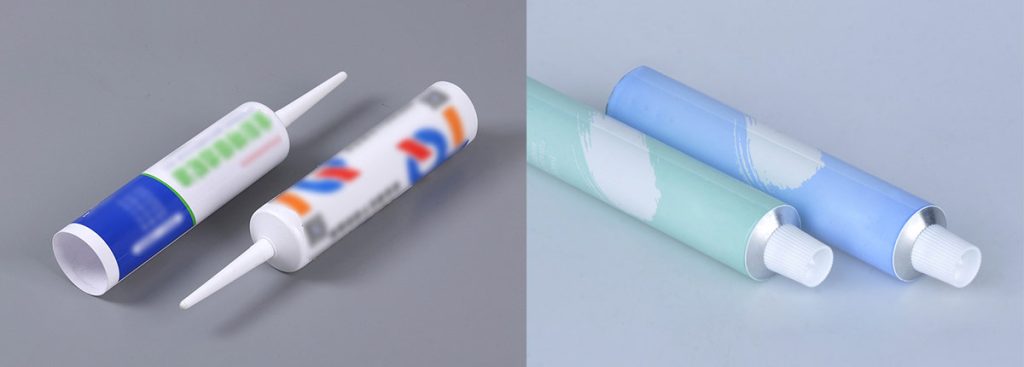
Barrier property testing stands as a cornerstone in process validation for laminated tube making machine. This testing ensures packaging quality, regulatory compliance, and optimal material selection. Manufacturers benefit from robust quality assurance by adopting practices such as calibration, burst threshold tests, and environmental durability checks. The table below highlights key recommendations for enhancing validation processes:
| Quality Assurance Aspect | Description |
|---|---|
| Drop Tests | Verifies impact resistance and product protection. |
| Pressure Tests | Ensures tubes withstand squeezing without deforming. |
| Leakage Tests | Detects seal leaks under extreme conditions. |
| Compatibility Tests | Confirms no reaction with cosmetic formulas. |
| Environmental Durability | Maintains integrity under temperature, UV, and humidity. |
| Compliance with Standards | Meets ISO, FDA, REACH, and GMP requirements. |
| Automation and Inspection | Uses vision systems and AI for consistent quality. |
| Continuous Improvement | Engages feedback and invests in R&D. |
FAQ
What Is the Purpose of Barrier Property Testing in Laminated Tube Manufacturing?
Barrier property testing checks how well a laminated tube protects its contents from moisture and oxygen. This process helps manufacturers ensure product safety, maintain quality, and meet industry standards.
How Often Should Manufacturers Test Laminated Tubes for WVTR and OTR?
Manufacturers should test laminated tubes at regular intervals during production. Routine testing helps detect any changes in barrier performance and ensures each batch meets quality requirements.
Which Standards Govern Barrier Property Testing for Laminated Tubes?
ASTM E96, ASTM D 3985, and ISO 11607 set the main standards for barrier property testing. These standards guide manufacturers in measuring water vapor and oxygen transmission rates for laminated tubes.
Can Automation Improve Barrier Testing Accuracy in Laminated Tube Production?
Automation increases testing accuracy by reducing human error. Automated systems monitor barrier properties in real time and help maintain consistent quality for every laminated tube produced.
Why Do Laminated Tubes Use Multiple Layers for Barrier Protection?
Laminated tubes use several layers to combine the strengths of different materials. This structure improves resistance to moisture and oxygen, which helps protect sensitive products and extends shelf life.