


Quality inspection standards define strict procedures during the lami tube manufacturing process. Inspectors use first article inspection to verify product features and ensure compliance with ISO 9001 and ASTM guidelines. Environmental controls, such as temperature and humidity, help maintain consistent quality. Lami tube making machine uses built-in sensors to monitor each step. Laminated tube production benefits from precise checks at every stage, helping manufacturers deliver reliable products.
Key Takeaways
- Quality inspection standards ensure that every laminated tube meets safety and performance requirements, protecting consumers and enhancing brand reputation.
- ISO 9001 and ASTM compliance guide manufacturers in maintaining consistent quality and meeting regulatory expectations, which builds customer trust.
- First article inspection verifies that the initial product from a batch meets specifications, preventing defects before full-scale production begins.
- Environmental controls, such as temperature and humidity monitoring, are crucial for maintaining material stability and ensuring high-quality production.
- Investing in modern lami tube making machine with built-in inspection systems reduces defects and waste, leading to cost savings and improved efficiency.
Quality Standards in Lami Tube Manufacturing
ISO 9001 And ASTM Compliance
Manufacturers of laminated tubes follow strict international standards to ensure consistent product quality. ISO 9001 sets out the criteria for a quality management system. This standard helps organizations demonstrate their ability to provide products that meet customer and regulatory requirements. ASTM standards offer detailed guidelines for testing and material performance. These standards define the specifications for dimensions, barrier properties, and sealing strength. Companies use these benchmarks to guide every step of the production process. Lami tube making machine often includes automated systems that help maintain compliance by monitoring critical parameters in real time.
Tip: Regular audits and documentation help companies maintain certification and quickly identify areas for improvement.
First Article Inspection
First article inspection plays a vital role in the lami tube manufacturing process. This inspection verifies that the first product from a new batch meets all design and process specifications. The process involves several key steps, as shown in the table below:
| Step | Description |
|---|---|
| Gather the Necessary Documents | Collect engineering drawings, material certifications, process documentation, and an inspection plan. |
| Select the Sample Part | Choose the first part from the production batch for inspection. |
| Perform the Inspection | Conduct dimensional, material, surface, and functional tests. |
| Document the Findings | Record results in a First Article Inspection Report (FAIR). |
| Address Any Issues | Identify root causes of defects and make necessary corrections. |
| Final Approval & Production Release | Obtain approval from quality control to begin full-scale production. |
Inspectors check for common defects such as improper sealing, incorrect dimensions, and surface blemishes. They use precise measuring tools and visual checks to confirm that the sample meets all specifications. If any issues arise, the team investigates the root cause and adjusts the process before full production begins. This approach ensures that every laminated tube produced afterward maintains the required quality.
Material and Process Requirements
The choice of materials and adherence to process specifications directly affect the performance of laminated tubes. Manufacturers select materials based on the intended use of the tube. For example, a lami tube making machine may process different laminate structures depending on whether the tube will hold cosmetics, pharmaceuticals, or food products. The table below outlines the most critical material and process requirements:
| Material Type | Specifications |
|---|---|
| Laminate | BT/TT (Barrier Thickness/Total Thickness in microns) |
| Aluminium Barrier Laminate | Multi-layers of polyethylene, copolymer, aluminum foil barrier, copolymer, and polyethylene |
| Plastic Barrier Laminate | Multi-layers of polyethylene, copolymer, special film with EVOH barrier, copolymer, and polyethylene |
| Caps | Made from PP, available in Round/Standup/Standee, Conical, Fliptop types |
| Shoulders | Neck thread varies based on requirements and design |
| Top Seal | Aluminum seal on the orifice of the shoulder, commonly used in pharmaceutical tubes |
| Quality Checks | Ensure material integrity, printing accuracy, and sealing effectiveness |
| Adherence to Specifications | Precise measurements for laminate thickness and correct application of seals and caps are crucial |
Material selection impacts the tube’s barrier properties, flexibility, and appearance. For instance, using LDPE creates a soft and flexible tube, while HDPE provides more rigidity and chemical resistance. ABL (Aluminum Barrier Laminate) offers excellent protection against light, oxygen, and moisture, making it suitable for sensitive products. PBL (Plastic Barrier Laminate) combines good barrier properties with improved recycling potential and visual appeal.
Manufacturers must follow strict process specifications to ensure each laminated tube meets customer expectations. They monitor laminate thickness, cap fitting, and seal application throughout production. Lami tube making machine uses built-in sensors to check these parameters automatically. This attention to detail helps prevent defects and ensures that every tube meets the highest quality standards.
Importance of Quality in Laminated Tubes
Product Reliability and Safety
Manufacturers rely on strict quality standards to produce laminated tubes that protect products from contamination and damage. The lami tube making machine uses advanced sensors to monitor each step, ensuring consistent results. Laminated tubes provide UV protection and resist contamination, which helps maintain product integrity. These features are especially important for cosmetics and pharmaceuticals, where safety and reliability matter most. Extended shelf life benefits topical ointments and creams, allowing customers to use products longer without concern. The ability to dispense medications precisely and maintain sterility in drug delivery applications highlights the importance of quality in every tube.
Note: Reliable laminated tubes reduce the risk of leaks and spoilage, which supports consumer trust and safety.
Customer and Industry Benefits
High-quality laminated tubes offer several advantages for both end customers and industry partners. Companies use innovative designs to enhance brand visibility and attract consumers. Customization options allow manufacturers to meet specific consumer preferences, which can increase satisfaction and loyalty. Advances in material technology improve barrier properties, ensuring product safety and consistent performance.
- Laminate tubes support eco-friendly packaging, meeting the growing demand for sustainable solutions.
- Technological improvements in lami tube making machine help manufacturers create unique products, which sets them apart in the market.
- Consumers value the extended shelf life and protection that laminated tubes provide for cosmetics and pharmaceuticals.
- Industry partners benefit from improved product differentiation and reduced waste.
Manufacturers recognize that growing consumer awareness about product safety drives the need for high-quality standards. By investing in better materials and processes, companies deliver reliable laminated tubes that meet the expectations of both customers and industry partners.
Lami Tube Manufacturing Process Stages
Raw Material Checks
Raw material checks form the foundation of the lami tube manufacturing process. Inspectors verify the quality of laminates, aluminum foils, and plastic resins before production begins. They measure thickness, barrier properties, and purity levels. The lami tube making machine receives only approved materials, which reduces the risk of defects later in the manufacturing process. Environmental controls, such as temperature and humidity monitoring, help maintain material stability. Clean storage areas prevent contamination and ensure consistent quality checks. Technicians document each batch and track supplier performance to maintain high standards.
Tip: Regular audits of raw material suppliers help manufacturers avoid unexpected quality issues.
Tube Formation Inspection
Tube formation inspection represents a critical stage in the lami tube manufacturing process. Operators use non-destructive testing methods, including ultrasonic testing and eddy current testing, to detect flaws. These tests identify longitudinal and transverse defects in the laminate structure. Compliance with API testing requirements ensures that inspectors evaluate system capabilities, coverage, and wall thickness. The lami tube making machine uses built-in sensors to monitor tube formation in real time. Environmental controls, such as maintaining optimal temperature and humidity, support stable tube formation and reduce defect rates. Frequent quality checks at this stage help manufacturers catch problems early and maintain product integrity.
| Inspection Method | Purpose | Frequency |
|---|---|---|
| Ultrasonic Testing | Detects internal flaws and wall thickness | Every batch |
| Eddy Current Testing | Identifies surface and structural defects | Every batch |
| Visual Inspection | Confirms tube shape and appearance | Continuous |
Printing and Decoration Quality
Printing and decoration quality checks ensure that each laminated tube meets brand and regulatory requirements. Operators inspect print alignment, color consistency, and clarity. The lami tube making machine uses automated vision systems to detect smudges, misprints, and registration errors. Environmental controls, such as air filtration and temperature regulation, prevent dust and ink smearing. Technicians perform spot checks and document results for every production run. Consistent quality checks at this stage help manufacturers deliver visually appealing and compliant products.
- Inspectors verify print registration and color accuracy.
- Automated systems flag tubes with decoration defects.
- Clean production environments reduce contamination risks.
Sealing and Capping Inspection
Sealing and capping inspection plays a vital role in the lami tube manufacturing process. Laminated tubes use heat-based sealing methods, such as hot-air and ultrasonic sealing. Hot-air sealing heats air inside the tube to temperatures between 160-220°C, creating strong seals in seconds. Ultrasonic sealing uses high-frequency vibrations to form seals quickly and consistently. Immediate cooling stabilizes the seal, while trimming ensures clean tube ends. Operators check for leaks, weak seals, and cap alignment. Quality checks at this stage focus on seal strength and appearance.
- Sealing technologies include hot-air and ultrasonic methods.
- Cooling and trimming improve seal stability and tube appearance.
- Operators inspect for leaks and misaligned caps.
Final Packing and Exterior/Interior Checks

Final packing and exterior/interior checks complete the lami tube manufacturing process. Inspectors examine each laminated tube for surface blemishes, correct labeling, and proper cap fit. Automated systems scan for defects and verify batch codes. Environmental controls, such as clean packing areas and controlled humidity, protect tubes from contamination. Quality checks at this stage confirm that every tube meets customer specifications and regulatory standards. The lami tube making machine supports these inspections with built-in sensors and automated rejection systems.
| Packing Stage | Quality Check Focus | Environmental Control |
|---|---|---|
| Tube Sorting | Surface and label accuracy | Clean air, low humidity |
| Batch Coding | Code clarity and placement | Temperature control |
| Final Inspection | Cap fit, seal integrity | Dust-free environment |
Note: Consistent quality checks throughout the lami tube manufacturing process help manufacturers deliver reliable and safe products.
Inspection Methods & Tools
Manual vs. Automated Systems
Quality inspection in lami tube manufacturing relies on both manual and automated systems. Manual inspection involves trained operators who visually check for defects such as misprints, uneven seals, and surface blemishes. They use calipers, micrometers, and magnifying glasses to measure dimensions and examine details. Automated systems, often integrated into the lami tube making machine, use sensors and cameras to scan each laminated tube for inconsistencies. These systems can detect defects at high speed and with greater accuracy. Multi-technology inspection systems on modern production lines achieve defect detection rates up to 99.9%. Operators review flagged tubes and decide if they meet quality standards or require rejection.
Tip: Automated inspection reduces human error and increases consistency in high-volume manufacturing environments.
Built-In Inspection in Lami Tube Making Machine
Lami tube making machine features built-in inspection modules that monitor every stage of the manufacturing process. The module uses electronic sensors, vision systems, and pressure gauges to check tube formation, print quality, and seal integrity. The machine automatically rejects any laminated tube that fails to meet preset criteria. Real-time data collection allows operators to adjust settings quickly, minimizing waste and improving overall efficiency. Environmental controls, such as temperature and humidity sensors, help maintain stable conditions for accurate inspection. The integration of these technologies ensures that each tube meets strict quality standards before packing.
Common Testing Equipment
Manufacturers use specialized equipment to verify the quality of laminated tubes. The following table highlights some of the most commonly used testing devices and their accuracy rates:
| Equipment Name | Accuracy Rate |
|---|---|
| GBPI ASTM D 3078 hermetic sealing quality test electronic leakage tester GB-M1 | Vacuum Accuracy: 1% of the indicated value. |
| W812 Water Vapor Permeability Analyzer | Not specified in the source. |
| QualiLeak™ M2 | High-precision electronic pressure sensor utilized. |
- GBPI testers measure the integrity of tube seals and detect leaks.
- W812 analyzers assess water vapor permeability, which is important for product shelf life.
- QualiLeak™ M2 uses advanced pressure sensors to ensure precise leak detection.
Manufacturers select equipment based on the specific requirements of their laminated tube products. Accurate testing helps maintain high standards and supports reliable manufacturing outcomes.
Quality Assurance and Environmental Controls
Standard Operating Procedures
Standard operating procedures play a central role in maintaining quality assurance in lami tube manufacturing. These procedures guide every step, from raw material inspection to final packing. Operators follow documented instructions to ensure consistent results. The lami tube making machine operates under these guidelines, which helps reduce errors and optimize resources. The table below shows how standard operating procedures contribute to high-quality laminated tubes:
| Aspect | Contribution to Quality |
|---|---|
| Quality Assurance | Establishes standardized procedures for consistent quality. |
| Operational Efficiency | Streamlines operations, reducing errors and optimizing resources. |
| Product Safety | Ensures compliance with safety regulations, reducing risks. |
| Innovation | Incorporates guidelines for advanced packaging materials. |
| Environmental Responsibility | Guides sustainable practices in manufacturing. |
| Employee Training | Serves as a training resource for best practices and safety. |
Operators use these procedures to maintain product safety and support innovation. The assurance of consistent quality helps manufacturers deliver high-quality laminated tubes to customers.
Training and Continuous Improvement
Employee training supports quality assurance by teaching best practices and safety standards. Manufacturers invest in regular training sessions to keep staff updated on new technologies and procedures. Continuous improvement methods help reduce defects and improve product reliability. Teams monitor manufacturing parameters and analyze microstructure to identify and fix problems. They inspect raw materials and follow process parameters to prevent lamination issues. The following list highlights common continuous improvement methods:
- Continuous monitoring and control of manufacturing parameters to reduce lamination defects.
- Analysis of microstructure and phase behavior to identify and mitigate defects.
- Importance of raw material inspection and adherence to process parameters to prevent lamination.
Feedback loops encourage teams to share insights and suggest changes. This approach helps manufacturers maintain high-quality laminated tubes and adapt to industry trends.
Environmental Requirements for High-Quality Laminated Tubes
Environmental controls play a vital role in quality assurance for laminated tube production. Manufacturers monitor temperature, humidity, and air quality throughout the process. The lami tube making machine uses sensors to maintain stable conditions. Clean rooms and filtered air prevent contamination and support consistent results. Operators adjust settings to match environmental requirements for each product type. Proper controls help prevent defects and ensure the assurance of product safety. High-quality laminated tubes require strict attention to environmental factors at every stage.
Note: Stable environmental conditions support reliable manufacturing and help companies meet industry standards for quality.
Benefits of High-Quality Laminated Tubes
Brand Reputation and Compliance
High-quality laminated tubes help companies build a strong brand reputation. Manufacturers who use advanced lami tube making machines and follow strict inspection standards can meet the demands of both consumers and regulators. Laminated tubes must comply with regulations from organizations such as the FDA and EPA. These rules focus on material safety, recyclability, and accurate labeling. Companies that produce laminated tubes with consistent quality gain access to important markets in the food and pharmaceutical sectors. Meeting these standards also increases consumer trust. People rely on laminated tubes to keep products safe and fresh. When a brand delivers reliable laminated packaging, customers remember the positive experience. This trust leads to repeat purchases and positive word-of-mouth.
Companies that invest in quality laminated tube production often see their reputation grow in competitive markets.
Reducing Defects and Waste
Reducing defects and waste in laminated tube production brings long-term savings. Manufacturers who use modern lami tube making machine and strict inspection system can lower the number of defective laminated tubes. Fewer defects mean less material waste and fewer rejected products. This approach also helps companies use resources more efficiently. The table below shows several ways that reducing defects and waste can save money over time:
| Evidence Type | Description |
|---|---|
| Procurement Streamlining | Streamlining procurement procedures can lead to significant cost savings in laminate tube production. |
| Strategic Negotiating | Using strategic negotiating methods can improve supply chain resilience and reduce costs. |
| Long-term Agreements | Multi-year contracts with manufacturers can stabilize prices and provide steady supply, reducing costs. |
| Volume-based Discounts | Long-term agreements can secure volume-based discounts, further lowering production costs. |
| Bundled Services | Bundled services like filling and labeling can reduce overall operational costs. |
Manufacturers who focus on quality control for laminated tubes also help the environment. Less waste means fewer raw materials end up in landfills. Efficient production of laminated tubes supports sustainability goals. Companies that reduce defects can also respond faster to market changes. They can deliver laminated tubes on time and keep customers satisfied.
Laminated tubes support both business growth and environmental responsibility.
Conclusion
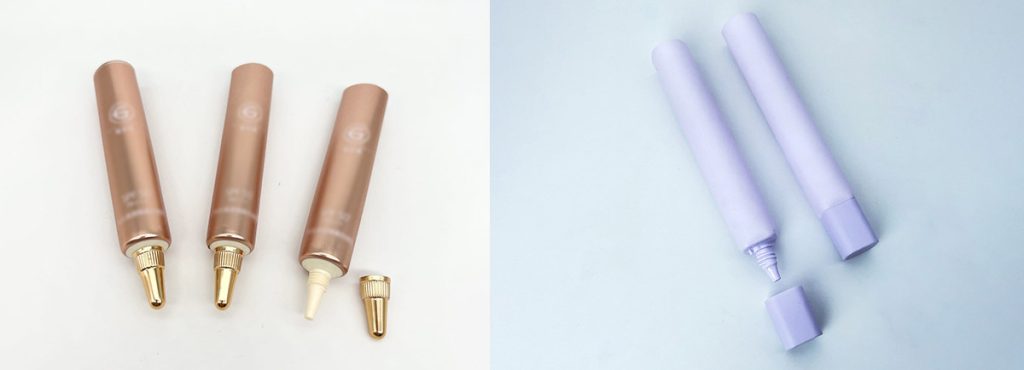
Strict quality inspection standards and environmental controls play a key role in producing high-quality laminated tubes. Manufacturers use lami tube making machines to ensure every tube meets specific requirements.
- Quality checks confirm material integrity and product consistency.
- Temperature regulation and clean room conditions maintain process accuracy.
- Continuous control reduces waste and boosts consumer satisfaction.
Compliance with ISO and ASTM standards builds customer trust and opens new markets.
| Standard | Description | Impact on Trust and Access |
|---|---|---|
| ISO 9001 | Quality Management System | Consistent quality, vendor approval |
| ISO 22000 | Food Safety Management System | Safety, compliance, trust |
| ISO 14001 | Environmental Management System | Sustainability, reputation |
| ASTM D2911 | Technical Standards for Bottles | Compatibility, customer satisfaction |
Future trends include sustainable materials, AI-driven quality enhancements, and design innovation. These advances will improve reliability, efficiency, and consumer appeal in laminated tube manufacturing.
FAQ
What Is the Purpose of Quality Inspection in Laminated Tube Manufacturing?
Quality inspection helps manufacturers detect defects early. They use it to ensure every laminated tube meets safety and performance standards. The process protects consumers and supports brand reputation.
How Does a Lami Tube Making Machine Improve Inspection Accuracy?
A lami tube making machine uses built-in sensors and automated systems. These features allow operators to monitor tube formation, printing, and sealing. Machines help reduce human error and increase consistency.
Why Are Environmental Controls Important During Production?
Environmental controls, such as temperature and humidity monitoring, keep materials stable. They prevent contamination and support reliable operation of the lami tube making machine. Stable conditions help maintain laminated tubes.
Which Standards Guide Laminated Tube Quality?
Manufacturers follow ISO 9001 and ASTM standards. These guidelines set requirements for material selection, testing, and process control. Compliance ensures laminated tubes meet customer and regulatory expectations.
What Common Defects Do Inspectors Look For?
Inspectors check for leaks, weak seals, misprints, and surface blemishes. They use visual checks and testing equipment to find problems. Early detection helps prevent defective laminated tubes from reaching customers.