


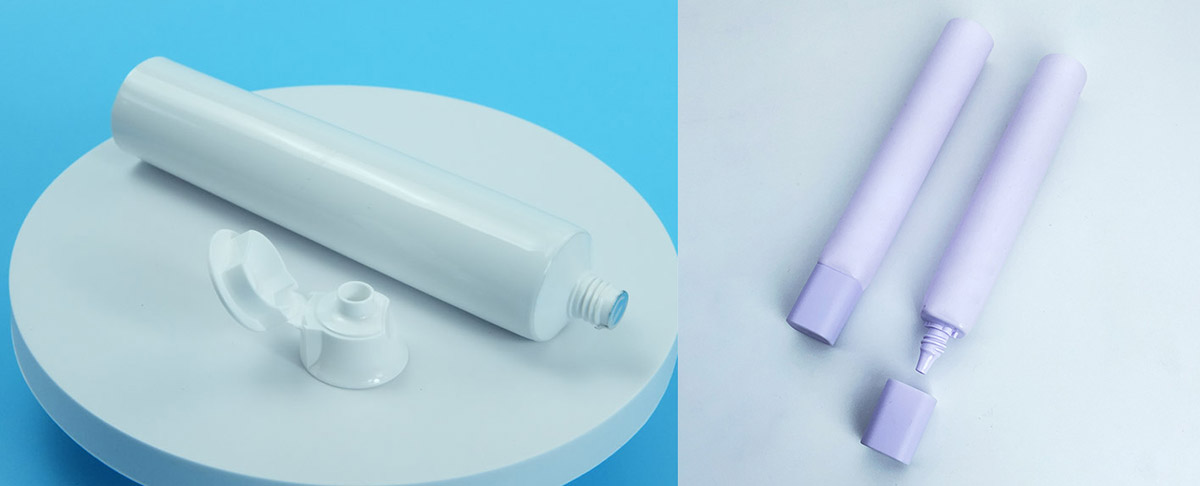
The global demand for advanced packaging continues to rise, reaching up to $56.51 billion in 2024 and projected to exceed $133 billion by 2034, as shown below:
| Metric | Value (USD Billion) / CAGR (%) | Year / Period |
|---|---|---|
| Global Market Size (2024) | 36.49 – 56.51 | 2024 |
| Projected Market Size (2030-34) | 82.51 – 133.25 | 2030 to 2034 |
| CAGR | 8.5% – 11.5% | 2025 to 2033/2034 |
Industries such as pharmaceuticals, cosmetics, food, and household products rely on the lami tube making machine to create packaging that protects contents from air, moisture, and light. This machine supports manufacturers by ensuring product integrity, reducing contamination risks, and enabling unique branding through customizable tube designs. The lami tube making machine also improves efficiency and encourages innovation in packaging solutions.
Key Takeaways
- Lami tube making machine creates strong, multi-layer tubes that protect products from air, moisture, and light, keeping them fresh and safe.
- The machine offers great customization, allowing manufacturers to choose tube sizes, shapes, materials, and designs to match their brand and product needs.
- Industries like pharmaceuticals, cosmetics, food, and chemicals rely on laminated tube for their excellent protection, convenience, and attractive packaging.
- Automation and smart technology in the machine boost production speed, reduce errors, and ensure consistent high quality.
- Using lami tube making machine helps companies save costs over time by reducing waste, improving efficiency, and meeting strict safety and environmental standards.
What Is a Lami Tube Making Machine?
Core Functions
A lamimated tube making machine plays a vital role in modern packaging. This machine assembles multiple layers of plastic and aluminum to create laminated tubes. The process begins with unwinding rolls of laminated material. The machine then forms the material into a tube shape, seals the edges, and cuts the tubes to the desired length. Each tube receives a cap or closure, ensuring the contents remain secure. The machine also prints branding or product information directly onto the tube surface.
Manufacturers rely on the lami tube making machine for its precision and speed. It produces consistent tube quality, which helps protect sensitive products from air, moisture, and light. The machine supports high-volume production, making it suitable for industries that demand efficiency and reliability.
Note: The multi-layer structure of laminated tube offers superior barrier properties, which is essential for products that require extra protection.
Tube Types
Laminated tube comes in several varieties, each designed for specific uses. The most common type features a visible full-length seam and combines plastic with aluminum layers. This structure enhances protection for products such as cosmetics, pharmaceuticals and CBD items. These tubes are ideal when manufacturers need to shield contents from external elements.
Lami tube making machine can also produce laminated paper tubes using spiral or convolute winding methods. Spiral wound tubes often serve as mailing tubes, carpet cores, and display tubes. Convolute wound tubes are stronger and fit heavy-duty applications like paper mills and textile storage. Some machines combine both methods to create multilayer tubes with unique properties for premium packaging and promotional uses.
- Laminated tube can be customized with specialty liners for moisture, grease, or chemical resistance.
- Food-grade packaging and protective postal tubes often use these customizations.
This adaptability allows manufacturers to meet diverse packaging needs across many industries.
Industries Using Lami Tube Making Machine
Pharmaceuticals
The pharmaceutical industry relies heavily on laminated tubes for packaging. These tubes play a crucial role in protecting sensitive products such as topical medications and creams. Manufacturers choose laminated tubes because they provide a strong barrier against air, moisture, and contaminants. This barrier helps preserve the efficacy and safety of medicine, extending shelf life and ensuring longer expiration dates. Laminated tubes also comply with strict regulatory standards, including those set by the FDA and EMA.
Key reasons why the pharmaceutical industry prefers laminated tubes include:
- Excellent barrier protection that maintains product integrity.
- Lightweight and portable design, making them user-friendly.
- Tamper-evident seals and child-resistant features, which are important for pediatric medicines.
- Recyclable materials that appeal to environmentally conscious consumers.
Note: Laminated tubes must meet rigorous safety, quality, and environmental regulations. Compliance with international standards such as ISO and FDA guidelines ensures credibility and market access. Manufacturers who pack medicines in these tubes can assure consumers of product safety and integrity.
Cosmetics
Cosmetic brands use laminated tubes to package a wide range of products, including creams, lotions, gels, and makeup. These tubes offer a multilayered barrier that protects contents from oxygen, moisture, and light. This protection helps maintain the integrity of skincare formulations and extends shelf life. The advanced printability of laminated tubes allows brands to create vibrant, intricate, and metallic designs, enhancing visual appeal and marketability.
Benefits of laminated tubes in the cosmetics sector include:
- Superior barrier properties that preserve freshness and efficacy.
- High-quality printing for vibrant colors and unique branding.
- Durable and flexible structure for easy dispensing and portability.
- Customization options in shapes, sizes, and finishes to reflect brand identity.
Cosmetic manufacturers value the combination of product protection and attractive packaging. The tubes support luxury aesthetics while maintaining pharmaceutical-grade integrity.
Food
Laminated tubes have become popular in the food industry, especially for sauces, pastes, and condiments. Their layered structure provides excellent protection against contaminants, moisture, and oxygen, preserving freshness and flavor. The tubes are lightweight, portable, and easy to open, use, and reseal, making them ideal for on-the-go consumption.
| Advantage Category | Description |
|---|---|
| Protection and Preservation | Protects food from contaminants like bacteria and oxygen, preserving freshness and flavor. |
| Convenience and Practicality | Lightweight, portable, easy to open, use, and reseal, ideal for on-the-go consumption. |
| Customization and Branding | Various sizes, shapes, and printing options enhance brand appeal and consumer attraction. |
| Environmental Benefits | Often made from recyclable and biodegradable materials, reducing environmental footprint. |
| Application for Sauces/Pastes | Perfect for condiments and sauces due to easy storage and dispensing capabilities. |
Laminated tubes also help maintain food safety by combining materials like aluminum and plastic to create strong barriers against moisture, light, and odors. Seals at both ends and secure closures prevent leakage and contamination. Manufacturers use food-grade materials and follow strict hygiene standards to ensure product safety.
Chemicals
Chemical manufacturers often choose laminated tubes to package products such as adhesives, sealants, and certain industrial chemicals. These tubes provide superior barrier properties, protecting contents from light, oxygen, and moisture. The multilayer construction prevents chemical corrosion and leakage, ensuring product safety during storage and transportation.
Key benefits for chemical manufacturers include:
- Protection against chemical corrosion and leakage through multiple barrier layers.
- High-quality digital printing for enhanced branding.
- Flexibility and precise dispensing, reducing waste and improving user convenience.
- Cost-effectiveness compared to pure aluminum tubes.
- Sustainability options, including recyclable and bio-based materials.
- Advanced sealing and dispensing technologies that improve safety and compliance.
Laminated tubes help chemical manufacturers protect sensitive products, differentiate their brands, and meet evolving market demands. The secure seals and durable structure make these tubes suitable for a wide range of chemical applications.
Benefits of Lami Tube Making Machine
Product Protection
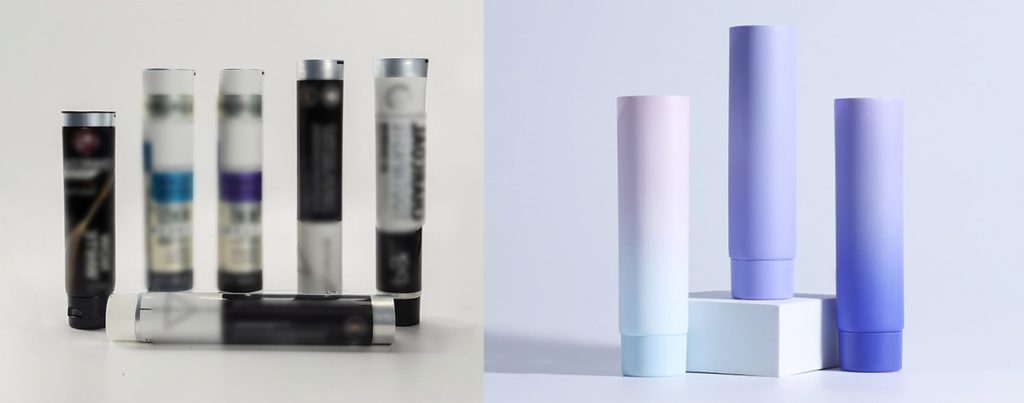
Lami tube making machine delivers outstanding product protection by creating tubes with a multi-layer structure. Each laminated tube consists of several layers, such as polyethylene, aluminum foil, and EVOH polymer. These layers work together to form a strong barrier against air, moisture, and light. The aluminum foil layer blocks light and oxygen, which helps preserve sensitive products like toothpaste, creams, and pharmaceuticals. EVOH layers add extra protection against air and moisture while allowing some transparency for product visibility.
Manufacturers can adjust the thickness and combination of these layers to match the needs of different products. This flexibility ensures that each laminated tube provides the right level of protection, whether for food, cosmetics, or chemicals. The multi-layer construction also resists chemical reactions and prevents contamination, keeping products safe throughout their shelf life.
Note: Laminated tubes offer protection similar to traditional metal or glass packaging but add the benefits of flexibility and lighter weight.
Compared to single-material packaging, laminated tubes maintain product quality for a longer time. They prevent oxidation, spoilage, and leakage, which is especially important for premium products that require extended shelf life. The advanced lamination process ensures that every tube meets strict safety and quality standards.
Customization
Lami tube making machine offers a wide range of customization options for different industries. Manufacturers can choose from various tube sizes, shapes, and materials to suit their product lines. The machines support adjustable speeds, which allows for both high-volume production and small, precise batches. This adaptability makes it easy to switch between products or respond to changing market demands.
- Customization features include:
- Compatibility with plastic, metal, and laminated tubes.
- Advanced control systems for precise filling and sealing.
- Modular designs that allow for easy upgrades or changes.
- Industry-specific adaptations, such as hygiene-focused features for food or precise dosing for pharmaceuticals.
Brands use these customization options to create unique packaging that stands out on store shelves. They can select different cap types, such as flip-top or tamper-evident closures, to improve usability and safety. Decoration techniques like offset printing, silk-screening, and hot stamping add vibrant colors and textures, making each laminated tube visually appealing.
Packaging acts as a canvas for brand identity. Custom designs, colors, and finishes help products attract attention and build consumer loyalty.
Manufacturers can also choose eco-friendly materials and sustainable designs, which appeal to environmentally conscious consumers. The ability to tailor every aspect of the laminated tube—from size to finish—gives brands a powerful tool for differentiation in competitive markets.
Cost Efficiency
Lami tube making machine helps manufacturers control and reduce overall production costs. Automation features, such as automatic feeding and real-time monitoring, increase productivity and minimize labor expenses. Digital controls ensure precise manufacturing, which reduces errors and waste. The machine also supports energy-efficient operation, lowering long-term operational costs.
| Efficiency Feature | Impact on Cost |
|---|---|
| Automation | Reduces labor and errors |
| Digital controls | Minimizes downtime |
| Energy efficiency | Lowers operational expenses |
| High-speed production | Increases output, lowers unit cost |
Although laminated tube manufacturing may have a higher per-unit cost compared to some traditional packaging, the benefits often outweigh the expense. The enhanced protection, longer shelf life, and reduced waste lead to savings over time. Manufacturers can streamline their processes, manage resources better, and respond quickly to market changes.
Tip: Investing in lami tube making machine can result in significant long-term cost savings for companies that produce large volumes of packaged goods.
The combination of durability, adaptability, and automation makes laminated tube production a smart choice for industries seeking both quality and cost efficiency.
Technology and Innovation
Automation
Lami tube making machine uses advanced automation to transform packaging processes. Automatic tube fillers increase speed and reduce manual labor. Machines now include advanced sensors that improve precision and reduce waste. Operators benefit from touch-screen interfaces and programmable logic controllers (PLCs), which make operation simple and efficient. System integration allows these machines to connect with other packaging equipment, creating a seamless workflow.
Recent innovations, such as Decoseam™ technology, enable edge welding with zero overlap and add a reinforcing strip for strength. This technology supports full 360° printability and maintains barrier properties. Automation also covers feeding, cutting, and sealing, which minimizes human intervention and errors. IoT capabilities provide real-time monitoring and data collection, helping manufacturers optimize performance and reduce downtime.
Automation not only increases speed but also ensures consistent quality by monitoring every step of the process.
Quality Control
Quality control stands at the core of lami tube making machine. The machine uses AI-powered defect detection systems to identify flaws in real time. Automated in-line inspection systems help achieve zero-defect manufacturing by catching issues early. Predictive analytics further enhance efficiency and reduce the chance of defects.
Manufacturers use tamper-evident seals, child-resistant features, and smart dispensing technologies to improve product safety. Blockchain-secured tracking and IoT-enabled authentication maintain product integrity throughout the supply chain. Automated inspection systems allow immediate adjustments, reducing waste and ensuring that each tube meets strict quality standards.
Flexibility
Lami tube making machine offers unmatched flexibility for manufacturers. The machine can handle a wide range of tube sizes and materials, including plastic, aluminum, and laminated options. Operators can customize tube size, filling volume, and sealing methods to match specific needs. Machines adapt to different tube shapes and materials, making them suitable for various industries.
- Machines support:
- Quick adjustments for tube dimensions and filling volumes
- Compatibility with multiple materials and shapes
- Automated inspection and multi-product filling
Growing demand for personalized packaging drives innovation in customization. Integration of smart control systems and IoT supports predictive maintenance and performance tracking. This flexibility allows manufacturers to respond quickly to market changes and produce tubes for cosmetics, pharmaceuticals, and more, all within a single production line.
Conclusion
Lami tube making machine transforms manufacturing by automating filling, sealing, and labeling, which boosts efficiency and hygiene.
- They improve product quality with precise dosing, secure seals, and real-time quality control.
- Manufacturers meet strict regulations and consumer demands for safety, sustainability, and innovation.
New trends include high-speed production, recyclable materials, and smart technology. As the industry evolves, the machine will continue to drive advancements in packaging design and environmental responsibility.
FAQ
What Materials Can a Lami Tube Making Machine Process?
A lami tube making machine can process materials like plastic, aluminum, and laminated films. Some machines also handle paper-based laminates. Manufacturers select materials based on product needs, such as barrier strength or flexibility.
How Does a Lami Tube Making Machine Improve Product Safety?
Lami tube making machine creates multi-layer tubes that block air, moisture, and light. This barrier protects sensitive products from contamination. Tamper-evident seals and secure closures further enhance safety for consumers.
Can Manufacturers Customize Tube Designs?
Yes! Manufacturers can choose different tube sizes, shapes, and finishes. They can add custom printing, colors, and logos. This flexibility helps brands stand out and meet specific market demands.
What Maintenance Does the Machine Require?
Regular cleaning and inspection keep the machine running smoothly. Operators check moving parts, sensors, and seals. Scheduled maintenance prevents breakdowns and ensures consistent tube quality.
Is the Machine Suitable for Small and Large Production Runs?
Lami tube making machine supports both small batches and high-volume production. Adjustable speeds and modular designs allow quick changes. This flexibility suits companies of all sizes.