


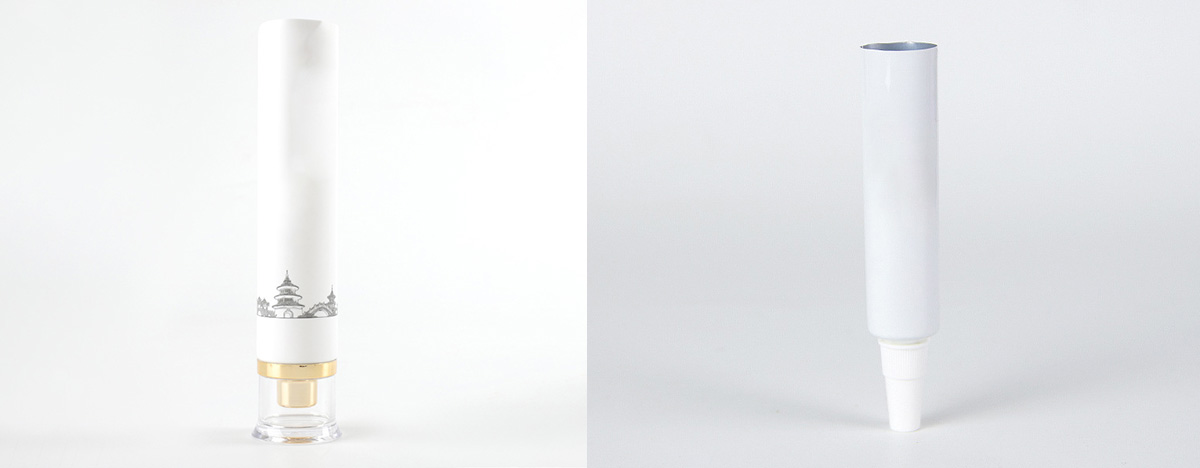
Surface scratches and dents in lami tube manufacturing can reduce product quality and harm customer satisfaction. Many buyers return products with cosmetic damage, especially when warranty policies exclude coverage for these imperfections. Preventive measures, such as regular inspection and proper handling, play a key role in protecting laminated tubes from damage. Operators rely on lami tube making machine and scheduled maintenance to minimize risks.
Careful attention to process and equipment helps maintain high standards in manufacturing laminated tubes.
Key Takeaways
- Implement regular preventive maintenance to extend equipment life and reduce surface damage risks.
- Use automated inspection systems to detect minor flaws early, ensuring only high-quality tubes reach customers.
- Train operators on safe handling techniques to minimize scratches and dents during lami tube production.
- Follow strict calibration and alignment procedures to prevent misalignment that can lead to surface defects.
- Conduct routine surface inspections to catch damage early and maintain high quality in lami tube manufacturing.
Preventive Maintenance for Equipment
Preventive maintenance forms the backbone of quality assurance in lami tube manufacturing. Consistent routines, proactive inspections, and the use of protective measures help prevent surface scratches and dents. These steps also extend the lifespan of equipment and reduce the need for frequent repair.
Regular Machinery Checks
Routine checks on the laminated tube making machine help identify early signs of wear and tear. Operators use both visual inspection and automated defect detection systems to spot surface imperfections before they become major issues. These systems provide real-time feedback, allowing immediate corrective action and reducing waste.
Tip: Automated inspection systems can detect even the smallest scratches or dents, ensuring only high-quality tubes reach customers.
The following table outlines the most common causes of surface damage in lami tube manufacturing:
| Cause | Description |
|---|---|
| Improper handling | Linear markings from contact with tools or equipment during handling or processing. |
| Inadequate protective measures | Lack of sufficient coatings leading to exposure of surfaces to scratches. |
| Machinery wear and tear | Deterioration of machinery that can cause scratches during the manufacturing process. |
| Impact from heavy machinery | Dents caused by heavy machinery during handling or transport. |
| Inadequate packaging | Insufficient protection during storage leading to dents from sharp objects. |
| Sharp objects during transport | Contact with sharp items can create surface scratches. |
To minimize these risks, manufacturers follow a strict schedule for machinery checks:
| Interval | Maintenance Tasks |
|---|---|
| Daily | Quick visual inspection, check for wear and tear, lubrication system checks. |
| Weekly | Clean the mill, inspect cutting tools, check electrical connections. |
| Monthly | Comprehensive inspection, check belts and chains, inspect bearings, check hydraulic system. |
| Quarterly | Full calibration, inspect structural integrity of the mill. |
| Annual | Major overhaul, disassemble and clean components, service gearboxes. |
Regular maintenance and repair routines help keep the lami tube making machine in optimal condition, reducing the risk of damage to carbon fiber clad aluminum tubes.
Protective Covers and Guards
Protective covers and guards shield sensitive machine parts and tubes from accidental contact and environmental hazards. The choice of material for these covers impacts their effectiveness. Polycarbonate stands out for its superior characteristics, including transparency, hardness, and machinability. PETG, acrylic, and clear PVC also serve in special or unique applications.
| Material | Characteristics |
|---|---|
| Polycarbonate | Superior characteristics, tight tolerance machinability, transparency, hardness |
| PETG | Used in special applications |
| Acrylic | Used in unique applications |
| Clear PVC | Used in specific applications |
A well-designed protective coating on machine surfaces further reduces the risk of scratches and dents. This layer acts as a barrier, especially during the handling of carbon fiber clad aluminum tubes.
Calibration and Alignment
Proper calibration and alignment of the lami tube making machine are essential for preventing surface defects. Even a slight misalignment can lead to incorrect tube positioning, uneven fill levels, or faulty seals. These issues often result in visible surface imperfections or damage.
Manufacturers follow these best practices for calibration and alignment:
- Follow established calibration procedures based on industry standards.
- Use traceable calibration standards for reliability.
- Calibrate at regular intervals, considering environmental factors and usage.
- Document every calibration process for reproducibility and compliance.
- Maintain proper environmental conditions during calibration.
- Regularly check and repair calibration equipment.
- Train personnel in calibration techniques and standards.
- Implement a quality management system that meets international standards.
Accurate calibration ensures that carbon fiber clad aluminum tubes are correctly oriented and filled, reducing the need for repair techniques such as sanding or re-coating. This process also helps manufacturers comply with Good Manufacturing Practices and ISO 9001 standards.
Lami Tube Making Machine Setup
The initial setup of the lami tube making machine determines the quality of every laminated tube produced. Operators must ensure all machine parts are clean and free from debris. Using mild cleansers prevents chemical damage to surfaces. Proper setup includes checking alignment, securing protective covers, and verifying that all moving parts operate smoothly.
Note: A clean and well-maintained machine setup reduces the risk of accidental damage and minimizes the need for future repair.
Operators also use specialized techniques to handle carbon fiber clad aluminum tubes during setup, further protecting the surface from scratches or dents. These preventive steps, combined with regular maintenance and repair, ensure the consistent production of high-quality laminating tubes.
Process Controls and Preventive Actions
Optimizing Parameters
Process controls play a vital role in reducing contact and friction during the production of laminated tubes. Operators adjust parameters on the lami tube making machine to ensure smooth movement and precise alignment. These adjustments help prevent unnecessary contact that can cause surface damage. The following table highlights key factors that influence friction and contact during manufacturing:
| Key Factors | Findings |
|---|---|
| Friction Control | Essential for tube hydroforming processes |
| Lubricants | Viscosity levels significantly affect friction |
| Contact Pressure | Directly impacts friction laws used in process modeling |
| Sliding Velocity | Alters lubricant performance in reducing friction |
By monitoring these factors, manufacturers can maintain optimal conditions. Proper lubrication and controlled pressure reduce the risk of scratches or dents. Operators also monitor sliding velocity to ensure lubricants work effectively. These steps help keep the surface of each laminated tube free from damage.
Automated Handling Systems

Automated handling systems provide a strong preventive approach against surface damage. These systems use advanced technologies to move tubes with minimal human contact. Automated visual inspection tools achieve a detection rate of over 92%, which helps identify even minor flaws before they become serious problems. Real-time monitoring allows operators to spot issues immediately and take corrective action.
- Enhanced defect detection for minor flaws
- Real-time monitoring for immediate issue detection
- Scalability to handle large data volumes without slowing production
- Consistency in quality by removing human variability
Defect detection systems use machine vision and artificial intelligence to identify surface imperfections early. This early detection maintains high-quality standards and reduces waste. Automated systems also ensure that each lami tube making machine operates efficiently, further lowering the risk of damage to the tubes.
Note: Automated handling and monitoring not only protect the product but also improve overall production efficiency.
Operator Training and Protection Protocols
Handling Techniques
Operators play a crucial role in preventing surface scratches or dents during the production of laminated tubes. Proper handling techniques help maintain the quality of each tube. They must avoid dents deeper than one-tenth of the tube diameter. Dents should never cover more than one-fourth of the tube’s circumference. The length of any dent must not exceed the tube diameter. Operators also check that dents remain free from cracks, abrasions, or sharp corners. These guidelines ensure that each laminated tube meets strict quality standards.
Operators receive training on how to move tubes safely around the lami tube making machine. They use soft gloves and padded tools to reduce direct contact. This approach lowers the risk of accidental scratches. Regular maintenance and repair of handling equipment further support these preventive measures. Operators also learn to identify early signs of damage, which helps them take corrective action quickly.
Tip: Consistent training and clear guidelines help operators protect both themselves and the product.
Movement and Inspection Protocols
Movement and inspection protocols form the backbone of operator protection in lami tube manufacturing. Operators follow a set of steps before starting work. They wash their hands thoroughly and use sanitizers before putting on gloves. Personal protective equipment, such as lab coats and safety glasses, shields them from potential hazards. Operators prepare the laminar flow unit by warming it up to stabilize airflow.
The following table outlines key elements of protection protocols for operators:
| Key Element | Description |
|---|---|
| Proper Hand Hygiene | Essential for maintaining sterility; involves thorough washing and use of sanitizers before gloves. |
| Personal Protective Equipment (PPE) | Includes lab coats, gloves, and safety glasses to protect the operator and maintain a sterile environment. |
| Preparation Steps | Involves hand washing, donning PPE, and warming up the laminar flow unit to stabilize airflow. |
| Operating Procedures | Emphasizes slow movements and proper material arrangement to prevent cross-contamination. |
| Maintenance | Regular cleaning of the work surface and unit interior with effective disinfectants. |
Operators move tubes slowly and arrange materials properly to prevent cross-contamination. Routine inspection of both the work area and the lami tube making machine ensures that surfaces remain clean. Maintenance of the workspace and equipment supports a safe environment and helps prevent defects. These protocols, combined with preventive training, keep both operators and laminated tubes protected throughout the manufacturing process.
Quality Assurance in Lami Tube Manufacturing
Routine Surface Inspections
Quality assurance teams in lami tube manufacturing rely on routine surface inspections to maintain high standards. They use visual inspection and non-destructive testing to detect surface damage, wrinkles, and sanding scratches on carbon fiber clad aluminum tubes. Inspectors check laminate details and monitor the demolding process to prevent wrinkles forming or other defects. They examine each laminated tube for signs of damage, including pitting, scaling, and wrinkles. Teams use advanced techniques such as dye penetrants and magnetic flux to identify hidden flaws. Regular inspection helps catch problems early, reducing the need for repair and minimizing downtime for maintenance and repair.
Operators document inspection results and share findings with maintenance teams. They focus on areas prone to damage, such as the laminate surface and regions affected by demolding. Inspection protocols include checking for wrinkles, surface irregularities, and sanding scratches. Teams use non-destructive testing techniques to ensure the integrity of carbon fiber clad aluminum tubes. These steps help prevent defects from reaching customers and support continuous improvement in lami tube manufacturing.
Tip: Frequent inspection and documentation help teams track trends and improve repair techniques over time.
Corrective Actions
When inspectors find surface defects in lami tube manufacturing, they recommend specific corrective actions. Teams select repair techniques based on the type and severity of damage. For surface pitting or scaling, they use protective atmosphere furnaces or controlled descaling. Post-process pickling or polishing restores the laminate surface. Non-destructive testing, such as magnetic flux or dye penetrants, confirms the effectiveness of repairs.
| Surface Defect | Corrective Action |
|---|---|
| Surface Pitting or Scaling | Use of protective atmosphere furnaces or controlled descaling |
| Post-process pickling or polishing | |
| Surface testing using magnetic flux or dye penetrants |
Maintenance teams apply advanced repair techniques to address wrinkles and other surface damage. They may use sanding or re-coating to fix minor defects. Operators monitor the lami tube making machine and adjust parameters to prevent future damage. Teams document each repair and update maintenance schedules to reduce recurrence. These actions ensure that every laminated tube meets strict quality standards and supports reliable laminating processes.
Note: Timely corrective actions and thorough documentation help teams maintain product quality and extend equipment life.
Conclusion

Preventive maintenance, protection, and proactive inspection remain essential for minimizing damage to carbon fiber clad aluminum tubes and laminate surfaces. Regular repair and timely use of repair techniques help maintain the integrity of each laminated tube. Operators rely on the lami tube making machine for consistent quality, using lubrication and inspections to prevent damage. Advancements in sustainable laminate materials and AI-driven defect detection support ongoing improvements. Teams should review and update procedures to reduce surface damage and enhance repair outcomes.
FAQ
What causes the most surface damage during lami tube manufacturing?
Operators often see damage from improper handling, worn parts, or incorrect setup of the lami tube making machine. Sharp tools or rough surfaces can scratch carbon fiber clad aluminum tubes. Automated systems help reduce these risks and keep each laminated tube in top condition.
How do automated systems help prevent damage to carbon fiber clad aluminum tubes?
Automated handling systems move carbon fiber clad aluminum tubes with precision. These systems limit human contact, which lowers the risk of damage. They also use sensors to detect flaws early, so operators can remove any laminated tube that does not meet quality standards.
Why is regular inspection important for carbon fiber clad aluminum tubes?
Routine inspection helps teams spot damage before it spreads. Inspectors check each laminated tube for scratches, dents, or other flaws. Early detection allows quick repairs and keeps the lami tube making machine running smoothly, which protects the quality of carbon fiber clad aluminum tubes.
Can minor damage on a laminated tube be repaired?
Teams can repair some minor damage, such as small scratches or shallow dents, on a laminated tube. They use polishing or gentle sanding. However, deep damage to carbon fiber clad aluminum tubes may require replacing the tube to maintain product safety and appearance.
What role does operator training play in preventing damage?
Operator training teaches safe handling of carbon fiber clad aluminum tubes. Workers learn to use the lami tube making machine correctly and follow strict protocols. Good training reduces mistakes, which helps prevent damage and ensures every laminated tube meets quality standards.