


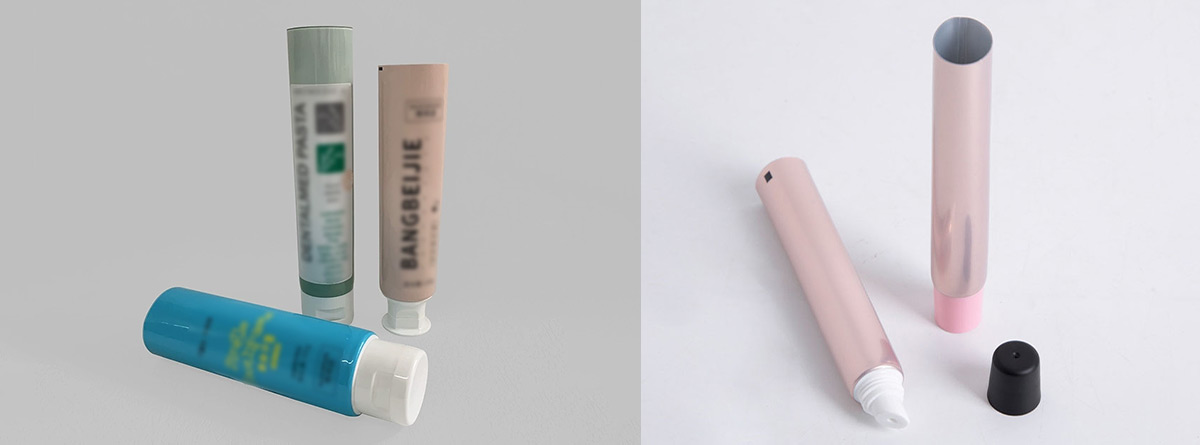
Laminated tube packaging has seen rapid adoption across industrial sectors due to its superior barrier properties. Industries like cosmetics and pharmaceuticals rely on this packaging to block moisture, oxygen, and UV light, ensuring product integrity and shelf life. Advancements in manufacturing technologies, especially the lami tube making machine, have boosted production efficiency. Market projections show strong demand, with the global laminated tube packaging market expected to reach USD 4.04 billion by 2032, driven by personal care, cosmetics, and pharma. Companies benefit from lightweight design, product preservation, and enhanced brand visibility.
Table: Projected Growth Rates
Sector Projected CAGR Market Value by 2032 Pharmaceuticals 7.1% N/A Cosmetics 5.8% USD 3.5 billion Asia-Pacific 8.3% N/A
Key Takeaways
- Laminated tube packaging offers superior barrier protection, extending product shelf life and ensuring safety for sensitive items.
- The laminated tube making machine enhances production efficiency, allowing manufacturers to produce high-quality tubes quickly and at lower costs.
- Sustainability is a key driver in the laminated tube market, with many companies adopting recyclable and biodegradable materials to meet consumer demand.
- Customization options in laminated tube packaging help brands stand out, appealing to diverse consumer preferences and enhancing market competitiveness.
- The global demand for laminated tubes is growing, driven by industries like cosmetics and pharmaceuticals that prioritize quality, compliance, and innovative packaging solutions.
Laminated Tube Packaging Structure
Material Layers
Laminated tubes feature a multi-layer structure that delivers superior barrier properties for sensitive products. Manufacturers select specific materials for each layer to optimize protection and functionality. The inner layer uses low-density polyethylene, which provides sealability and moisture resistance. Intermediate layers often include aluminum foil, EVOH, or PET. These materials block oxygen, light, and contaminants, preventing oxidation and spoilage. The outer layer consists of high-density polyethylene or polypropylene, offering mechanical strength and a printable surface. This structure supports high-quality packaging solutions for cosmetics, pharmaceuticals, and food products.
Table: Typical Material Layers in Laminated Tube Packaging
Layer Material Primary Function Common Applications Inner Layer Low-Density Polyethylene (LDPE) Sealability, moisture resistance, product compatibility Lotions, creams, gels, edible pastes Intermediate Aluminum foil, EVOH, PET Barrier to oxygen, light, contaminants; prevents spoilage Pharmaceuticals, UV-sensitive items Outer Layer High-Density Polyethylene (HDPE), PP Strength, puncture resistance, printable surface Cosmetics, travel tubes, food tubes
Lami Tube Making Machine
The lami tube making machine plays a critical role in producing laminated tubes efficiently. Modern machines convert flat plastic tubes and laminates into cylindrical forms through precision folding and heat sealing. Automation integration, including PLC-controlled systems, enhances accuracy and reduces errors. Manufacturers benefit from digital printing adoption, which allows for faster changeovers and supports on-demand production. AI-driven quality control and IoT-enabled predictive maintenance reduce downtime by up to 30%. These advancements improve scalability, minimize contamination risks, and support the use of recyclable materials.
Table: Technological Advancements in Lami Tube Making Machines
Advancement Type Description Impact on Production Efficiency and Quality Automation Integration PLC-controlled systems for precision Increased accuracy, reduced waste Sustainability Focus Eco-friendly materials, energy-efficient machines Lower costs, attracts B2B buyers Digital Printing Adoption Hybrid flexo-digital systems Faster changeovers, responsive production AI-driven Quality Control Real-time monitoring, fault detection Reduced downtime, enhanced efficiency IoT-enabled Predictive Maintenance Prevents machine failures Continuous production, improved ROI
Key Properties
Laminated tubes offer exceptional barrier protection against light, moisture, oxygen, and contaminants. These properties extend the shelf life of sensitive products and preserve product integrity. Industries such as cosmetics and pharmaceuticals rely on aluminium laminated tubes for airtight seals and tamper-proof caps. Laminated tubes comply with regulatory standards and support product safety. The combination of mechanical strength, flexibility, and compatibility with recyclable materials makes laminated tubes a preferred choice for high-quality packaging solutions.
Table: Key Barrier Properties and Industry Benefits
Barrier Property Benefit for Industries Protection against light Preserves product integrity for sensitive items Protection against moisture Prevents degradation and spoilage Protection against oxygen Extends shelf life Protection against contaminants Ensures safety and efficacy
- Laminated tubes provide airtight seals and tamper-proof caps.
- They comply with pharmaceutical regulations.
- Manufacturers achieve higher throughput and reduced labor costs.
Market Growth Drivers
The laminated tubes market continues to expand as industries seek packaging solutions that balance cost, compliance, sustainability, and brand differentiation. Companies in cosmetics, pharmaceuticals, and personal care sectors drive this growth by prioritizing packaging that meets evolving consumer and regulatory expectations.
Cost Efficiency
Cost reduction and production efficiency remain central to the adoption of laminated tube packaging. Manufacturers leverage the lami tube making machine to mass-produce tubes at relatively low costs. Advanced technology streamlines the production process, minimizing waste and supporting high-speed filling lines. This efficiency allows companies to meet the rising demand for customization without sacrificing quality or profitability.
Table: Cost Efficiency Benefits of Laminated Tube Packaging
Benefit Description Cost-effective Laminated tubes provide a cost-effective solution at scale. Low production waste They generate minimal waste during production. High-speed filling Compatible with high-speed filling processes, enhancing efficiency. Lightweight Their lightweight nature reduces transportation costs and carbon footprint. Corrosion resistance Engineered with robust inner layers that resist corrosion and chemical attack.
- Laminated tubes can be produced at scale with minimal material loss.
- The lightweight structure reduces shipping expenses and environmental impact.
- The lami tube making machine supports rapid changeovers, further improving cost reduction and production efficiency.
Regulatory Support
Regulatory frameworks in the pharmaceutical and cosmetics industries shape the laminated tubes market. Authorities require packaging that ensures product integrity, tamper resistance, and contamination prevention. Laminated tube packaging meets these standards, providing airtight seals and robust barrier properties.
Table: Regulatory Influence on Laminated Tube Adoption
Evidence Description Source Pharmaceutical products require laminated tubes to ensure product integrity and compliance with regulations. Laminated Tubes Market Size|Global Report [2026-2035] 63% of U.S. consumers prioritize tamper-proof and contamination-resistant packaging, influencing the adoption of laminated tubes. Laminated Tubes Market Size|Global Report [2026-2035] 29% of packaging companies face higher compliance costs due to evolving safety standards for tube-based products. Laminated Tubes Market Size|Global Report [2026-2035]
Manufacturers rely on the lami tube making machine to deliver consistent quality that aligns with strict regulatory requirements. The laminated tubes market benefits from this alignment, as companies avoid costly recalls and maintain consumer trust.
Sustainability
Sustainability drives significant growth in the laminated tubes market. Companies respond to consumer preferences for environmentally sustainable packaging by adopting recyclable and biodegradable materials. The shift toward eco-friendly packaging solutions aligns with global circular economy policies.
- Laminated tube packaging utilizes recyclable and biodegradable materials, enhancing sustainability.
- Over 60% of consumers prefer brands that provide sustainable packaging, indicating a strong market demand.
- Innovations like mono-material designs simplify recycling processes, supporting eco-friendly initiatives.
The lami tube making machine enables the use of advanced materials that reduce environmental impact. Brands that invest in eco-friendly and sustainable packaging gain a competitive edge in the market.
Customization
Customization plays a pivotal role in the growth of the laminated tubes market. Brands seek unique packaging designs to differentiate their products and appeal to diverse consumer preferences. The lami tube making machine supports digital printing and flexible production, enabling rapid adaptation to market trends.
Table: Customization Trends in Laminated Tube Packaging
Evidence Type Details Projected Growth Rate Custom Laminate Tubes segment is expected to grow at a CAGR of 10.2% during the forecast period. Supporting Factors Increasing consumer demand for personalized products and unique packaging designs. Market Appeal Brands investing in customization options will enhance the appeal of custom laminate tubes.
The rising demand for customization fuels innovation in tube design, color, and branding. Companies that embrace these trends capture greater market share and strengthen customer loyalty.
Note: The laminated tubes market demonstrates robust growth across all major sectors, with cost reduction and production efficiency, regulatory support, sustainability, and customization acting as primary drivers. The integration of advanced lami tube making machines ensures that manufacturers can meet evolving market demands while maintaining high standards of quality and compliance.
Regional and Global Trends
Asia Pacific Growth
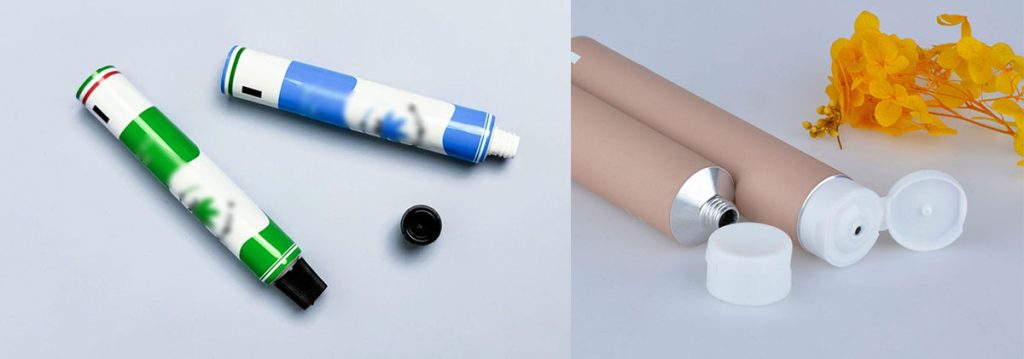
Asia Pacific stands out as a leading region for laminated tube packaging adoption. Manufacturers in China and India have increased investments in advanced lami tube making machine. This region benefits from cost reduction and high production efficiency, which allows companies to meet rising demand. Governments in Asia Pacific promote eco-friendly packaging, aligning with the sustainable features of laminated tube solutions. The region also sees strong growth in e-commerce, which drives the need for efficient and visually appealing packaging.
Table: Key Growth Factors in Asia Pacific
Factor Description Cost reduction and efficiency Laminated tubes can be mass-produced at low costs, enhancing production efficiency to meet demand. Regulatory support Governments are promoting eco-friendly packaging, aligning with the sustainable nature of laminated tubes. Customization and versatility High customization options appeal to various industries, enhancing adoption in personal care and cosmetics. E-commerce growth The rise of e-commerce increases the need for efficient and attractive packaging solutions.
Personal care and cosmetics brands in Asia Pacific value the versatility of laminated tube packaging. The ability to customize tube design and labeling helps companies stand out in a crowded market. As a result, Asia Pacific continues to act as a growing force in the packaging industry.
Global Demand
Global demand for laminated tube packaging shows strong momentum across multiple regions. North America and Europe focus on sustainability and high-quality packaging, which drives adoption of recyclable laminated tube materials. In Latin America, evolving consumer trends and a preference for convenience packaging support market expansion. The Middle East and Africa present new opportunities, with expanding economies and increased demand from cosmetics and food sectors.
Table: Regional Demand and Emerging Markets
Region Demand Characteristics Emerging Markets North America Driven by consumer goods sector, focus on sustainability and eco-friendliness. N/A Europe High-quality packaging demand, influenced by sustainability and regulations. N/A Asia-Pacific Mixed growth; China as a manufacturing hub, India with rising middle class. China, India, Southeast Asia Latin America Evolving consumer trends, convenience packaging preferences. Brazil, Mexico Middle East & Africa Growth potential due to expanding economies and demand from cosmetics and food. Turkey, Saudi Arabia, UAE
Manufacturers worldwide invest in lami tube making machine upgrades to meet regional preferences and regulatory standards. Emerging markets such as Southeast Asia, Brazil, and Turkey show rapid adoption, reflecting the global expansion of laminated tube packaging.
Industry Segmentation
By Material
Manufacturers use a variety of materials to produce laminated tubes. The multi-layer structure combines polymers, aluminum foil, and other materials to deliver excellent barrier protection against moisture, light, and air. Laminated tubes are expected to hold a significant market share of 36.1% in 2025. The segment accounted for over 46.8% of the tube packaging market in 2025 and is projected to grow at a rate of 6.9% during the forecast period. The lami tube making machine enables precise layering, which enhances the performance of plastic packaging across diverse packaging applications.
- Laminated tubes provide superior protection for sensitive products.
- The combination of materials supports durability and customization.
By Capacity
Laminated tube packaging comes in multiple capacity ranges to meet different consumer needs. The following table summarizes the leading capacity segments:
| Capacity Range | Description |
|---|---|
| Less than 50 ml | Popular for sample sizes and travel kits, favored for portability and convenience. |
| 50-100 ml | Most widely used, ideal for everyday products like moisturizers and shampoos, balancing volume and convenience. |
| More than 100 ml | Suitable for larger quantities, often used for family-sized products and professional use. |
Manufacturers select capacity based on product type and application. The lami tube making machine supports efficient production across all sizes.
By Application
Laminated tube packaging serves a wide range of applications. The following table highlights demand characteristics for each segment:
| Application | Demand Characteristics |
|---|---|
| Cosmetics | Dominant segment due to attractive packaging and functionality. |
| Pharmaceuticals | Requires compliance with strict safety standards; significant demand for topical medications. |
| Food and Beverage | Increasing adoption for effective barrier properties and convenience in packaging. |
| Household Products | Used for chemical products requiring durability and chemical resistance. |
Manufacturers tailor laminated tube designs to meet specific application requirements. The versatility of laminated tubes supports growth in multiple sectors.
Personal Care & Cosmetics
The personal care and cosmetics sector represents approximately 70% of the global Cosmetics Laminate Tube Packaging Market. Brands rely on laminated tubes for their visual appeal and functional benefits. The lami tube making machine enables high-quality printing and customization, which helps companies attract consumer attention. Laminated tubes offer lightweight, portable packaging that meets the needs of modern consumers.
- Laminated tubes dominate packaging applications in personal care and cosmetics.
- Custom designs and branding drive market growth.
Pharmaceuticals
Pharmaceutical companies use laminated tube packaging to protect sensitive products. The multi-layer design shields contents from light, moisture, and contaminants. Laminated tubes help maintain and extend the shelf life of healthcare products. They provide an excellent seal, preventing leaks and ensuring product integrity. The lami tube making machine supports compliance with strict safety standards.
| Benefit | Description |
|---|---|
| Protection from Light | Laminated tubes protect sensitive pharmaceutical products from harmful UV rays. |
| Moisture Resistance | The multi-layer design prevents moisture ingress, preserving the integrity of the contents. |
| Contaminant Barrier | The packaging safeguards against external contaminants, ensuring product safety and efficacy. |
| Customizable Design | Laminated tubes can be tailored to meet specific product requirements and branding needs. |
Food & Industrial
Laminated tube packaging plays a vital role in the food and industrial sectors. In the food sector, laminated tubes package semi-solid and viscous products like flavored sauces, condiments, and honey. This packaging ensures product freshness and ease of use. In the industrial sector, laminated tubes are preferred for lubricants and chemicals due to their lightweight nature and chemical resistance.
- Maintaining product integrity to ensure safety and quality.
- Compliance with safety standards relevant to food and industrial products.
- Offering user-friendly dispensing options to enhance consumer experience.
Manufacturers use the lami tube making machine to produce tubes that meet the unique requirements of these applications. Laminated tubes support efficient, safe, and convenient packaging solutions for both food and industrial products.
Future Outlook
Manufacturing Innovation
Manufacturers continue to invest in advanced lami tube making machines to meet rising demand for laminated tube packaging. These machines now feature automation, digital printing, and AI-driven quality control, which increase production speed and reduce errors. The industry has seen rapid adoption of sustainable materials, such as biodegradable and recyclable substrates. Enhanced sealing techniques improve tube durability and product protection. Smart tubes, equipped with QR codes and NFC technology, offer new ways for brands to engage consumers and track product information.
Table: Key Innovations Shaping Laminated Tube Manufacturing
Innovation Type Description Sustainable Materials Biodegradable and recyclable tube substrates Advanced Sealing Techniques Precision and durability in tube sealing High-Durability Layers Multi-layer tubes for increased protection and shelf life Smart Tubes QR codes and NFC for consumer interactivity
Technological advancements in barrier properties and printing techniques enhance both the functionality and visual appeal of laminated tubes. Ongoing innovation in sustainable materials and manufacturing processes yields eco-friendlier and more convenient packaging solutions.
Evolving Industry Needs
Industry needs continue to shape the future of laminated tube packaging. The oral care market relies on laminate tubes to protect products from contamination and maintain freshness. The cosmetics sector demands versatile and visually appealing packaging to support rapid product innovation. Laminated tubes provide excellent protection against air and moisture, extending shelf life and maintaining product quality.
- The push for sustainability drives the development of recyclable and user-friendly laminated tube designs.
- Cosmetics and personal care brands require packaging that enhances brand perception and attracts consumers.
- Manufacturers create bespoke, ergonomically designed tubes to meet customer expectations.
Pharmaceutical companies use laminated tubes for precise dosage and contamination protection. Regulatory requirements for tamper-evident packaging drive innovations in tube closures and barrier technologies. The market is projected to grow from USD 2.8 billion in 2025 to USD 5.2 billion by 2035, with a CAGR of 6.4%. The cosmetics and personal care sector is expected to dominate, holding a 52.3% share in 2025.
Tip: Aesthetic and eco-friendly designs are essential for meeting consumer sustainability expectations and maintaining product quality.
Manufacturers address challenges such as supply chain disruptions, fluctuating raw material costs, and competition from alternative packaging by investing in new technologies and sustainable practices. The future of laminated tube packaging will depend on continued innovation and responsiveness to evolving industry needs.
Conclusion
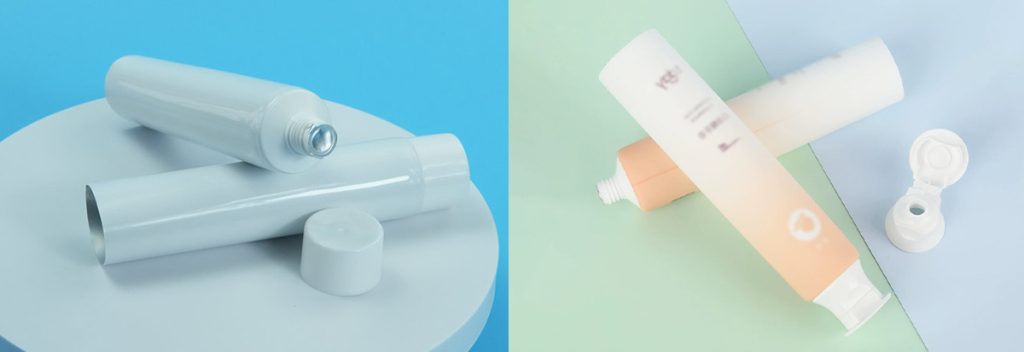
Industry experts cite several factors fueling the rise of laminated tube packaging.
- Demand for convenience and sustainability drives adoption across cosmetics, pharmaceuticals, and personal care.
- Consumers prefer lightweight, resealable, and easy-to-dispense products.
- Innovations in barrier technologies and the lami tube making machine enhance product protection and recyclability.
Laminated tubes deliver excellent barrier properties, safeguarding sensitive items and supporting market growth. Manufacturing advancements streamline production, improve quality, and enable future innovation. The sector will continue expanding as brands seek sustainable, customizable, and high-performance packaging solutions.
FAQ
What Is Laminated Tube Packaging?
Laminated tube packaging uses multiple material layers to protect products from moisture, oxygen, and light. Manufacturers prefer this solution for cosmetics, pharmaceuticals, and food due to its durability and barrier properties.
How Does the Lami Tube Making Machine Improve Production?
The lami tube making machine automates tube formation, sealing, and printing. Automation increases speed, reduces errors, and ensures consistent quality. Manufacturers achieve higher throughput and lower labor costs.
Why Do Industries Choose Laminated Tubes Over Traditional Packaging?
Industries select laminated tubes for their superior barrier protection, lightweight design, and customizable appearance. These tubes extend product shelf life and support regulatory compliance in sectors like pharmaceuticals and cosmetics.
Are Laminated Tubes Sustainable?
Many laminated tubes use recyclable or biodegradable materials. Manufacturers invest in eco-friendly designs and mono-material solutions. Sustainability appeals to brands and consumers seeking reduced environmental impact.
Can Laminated Tubes Be Customized for Branding?
Manufacturers use digital printing and flexible production on lami tube making machines to create unique designs. Customization helps brands stand out and meet consumer preferences for personalized packaging.